
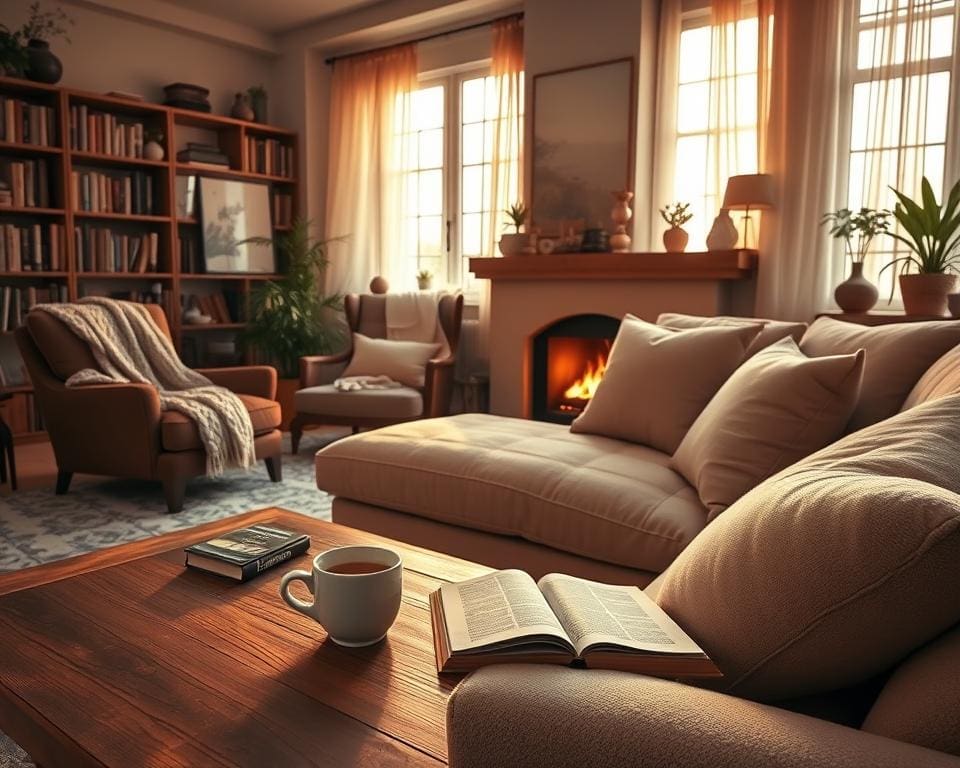
Choosing living room furniture sets the tone for a cosy living room. You want warmth, tactile comfort and a layout that encourages conversation and easy movement. This section explains what to consider so your space feels inviting and works for daily life.
Start by measuring your room and doorways, and note radiators and windows. Check how much natural light the room gets and decide how you will use the space — relaxing, entertaining, watching TV or even a home office. A clear brief helps you pick the best furniture for comfort and a practical living room layout.
Materials affect comfort and durability. Look for hardwood frames such as ash or oak for longevity, and consider plywood or engineered wood for budget-friendly pieces. Metal frames suit modern styles, while upholstery choices range from cotton and linen to velvet and leather. Performance fabrics and Sunbrella blends offer stain resistance for busy households.
Sustainability matters. Seek FSC-certified timber, recycled materials and brands that offer repairable or modular pieces to cut waste. Many retailers in the UK, including John Lewis & Partners, Heal’s, Habitat, Made.com, DFS and Oak Furnitureland, sell a wide range of options — and trying comfortable sofas UK in-store helps you judge scale and feel.
By the end of this guide you’ll know which core pieces to prioritise, how to select materials and proportions, and how to balance style with function to create the best furniture for comfort in your home.
Essential living room furniture pieces for comfort and function
Your living room works best when core pieces form a clear backbone. Start by prioritising seating and storage, then layer in tables and accessories to suit your daily life and style. This approach helps you plan around traffic flow and creates a calm, usable space.
Choosing the right sofa means measuring your room and thinking about how you move through it. Use a practical sofa size guide: allow at least 45–60cm for circulation behind seating where possible and 30–40cm between sofa and coffee table for ease of movement. Consider two-seaters, three-seaters or sectional sofas for open-plan layouts and pick a chaise or modular pieces if you need flexibility.
Upholstery affects look and upkeep. Natural fibres like linen and cotton breathe well, while velvet and leather offer distinct character. For homes with children or pets choose performance fabrics such as Crypton or polyester blends. Removable covers make cleaning easier. Check the frame and cushions: hardwood or kiln-dried frames last longer and coil or serpentine springs with high-resilience foam give better comfort.
Test sofas in store. Sit to check seat depth (50–60cm), seat height (42–48cm) and firmness that suits your posture. A well-chosen sofa supports everyday living and sets the tone for the rest of the room.
Armchairs and accent seating bring extra function and style. Pick pieces that match scale and proportion so they sit well beside your sofa. Leave 20–30cm between chair and sofa to keep balance. Consider swivel or recliner options for added versatility.
Materials matter for maintenance and longevity. Choose washable slipcovers for heavy-use chairs and leather if you want something you can wipe down. Velvet or patterned wool can act as a statement. Add benches, stools or pouffes for flexible seating and as handy footrests.
Coffee tables and side tables should be chosen for both form and function. Aim for a coffee table roughly two-thirds the length of your sofa and place it 30–45cm from the sofa seat to allow easy reach. Side tables work best at the same height as, or slightly below, the sofa arm.
Material choices change the room’s mood: wood adds warmth, glass keeps a space light, metal brings an industrial edge, and stone or marble feels premium. Pick practical finishes that resist rings and scratches. Rounded shapes help traffic flow in tighter rooms and nesting tables add adaptability.
Good living room storage ideas keep surfaces clear and maintain a cosy vibe. Media units sized to fit your TV and hide cables make a neat focal point. Wall-mounted units free floor space and feel lighter in small rooms.
Use bookcases and shelving for display and organisation. Floor-to-ceiling shelving maximises storage, while adjustable shelves adapt to different items. Concealed storage such as ottomans, storage benches and built-in joinery hides clutter and preserves a restful atmosphere.
Organise with baskets, labelled boxes and cable-management products to keep the room tidy. Thoughtful storage and the right seating mix turn a collection of items into a comfortable, functional living space centred on essential living room furniture, media units and smart layout choices.
How to layer textiles and soft furnishings for a cosy atmosphere
Layering textiles is central to creating warmth and tactile comfort in your living room. Your floors, seating and windows each shape acoustics, temperature and visual texture. Use a mix of materials to build depth without clutter.
Rugs: size, texture and anchoring furniture
Choose rugs for living room zones with care. Aim for a rug that fits so the front legs of sofas and chairs sit on it. In open-plan spaces, larger rugs define seating areas and make the layout feel intentional.
Pick texture according to use. Low-pile rugs work well in high-traffic spots. Wool rugs give natural warmth and last well. Jute or sisal add organic character but can feel rough underfoot. Shag or high-pile rugs suit low-traffic corners for a sumptuous touch.
Use a good anti-slip rug pad to keep pieces secure and to extend lifespan. Place rugs parallel to the sofa or room lines for a neat look. Leave a visible border of floor around the rug to maintain proportion.
Cushions and throws: mixing fabrics and patterns
Start your cushions and throws strategy with large plain cushions that echo the sofa tone. Add medium patterned or textured cushions, then finish with a small accent cushion for contrast. This order keeps the arrangement balanced and inviting.
Mix velvet, wool, linen and knitted textures for depth. Consider hypoallergenic fills if you or guests have sensitivities. Follow a three-colour palette — dominant, secondary and accent — to keep harmony across patterns and solids.
Drape a chunky knit throw over an arm or fold one on an ottoman to invite use and add warmth. Small, tactile details encourage touch and make a space feel lived-in rather than staged.
Curtains and blinds: warmth, privacy and light control
Choose curtains for cosiness by prioritising lined or thermal interlinings to retain heat in winter. Pair heavy curtains with blinds for flexible privacy and precise light control, useful for daytime screening and evening TV viewing.
Floor-length curtains lengthen a room visually. Lighter sheers allow diffused daylight while heavier drapes darken and insulate. Select wave headings, pencil pleats or eyelets to match your decor and ensure tracks or poles let curtains stack neatly when open.
Consider blackout options for media spaces or late sleepers. Top-down/bottom-up blinds give flexible privacy and daylight balance without sacrificing style.
- Layering textiles across floor, seating and windows enhances comfort and sound.
- Match rug size and texture to use, and secure rugs with pads.
- Mix cushions and throws by size, fabric and a three-colour palette.
- Use lined curtains and blinds to control warmth, privacy and light.
Soft furnishings UK choices can range from traditional wool rugs to contemporary linen cushions. Thoughtful layering of rugs for living room areas, cushions and throws, and curtains for cosiness will make your space welcoming and practical.
Styling tips and layout strategies to make your space inviting
Good styling begins with a clear plan for your living room layout. Think about how you and guests will use the room, where natural light falls and which features you want to highlight. Small changes to placement and finishing touches can turn a functional space into one that feels warm and sociable.
Creating conversation zones and traffic flow
Create distinct areas for talking, watching TV and relaxing by grouping seating around a focal point. A centralised arrangement, with a sofa facing another sofa or paired with chairs, encourages easy chat. For family TV rooms choose an L-shaped layout to keep screen time comfortable.
In open-plan homes use rugs and furniture to define each zone. Keep clear walking paths of about 60–75cm where possible and avoid blocking doorways or windows. Angle a chair slightly to soften rigid lines and invite conversation.
Use light, movable seating and nesting tables to change the plan when you entertain. Anchor each zone with a coffee table, fireplace or a window seat to give people a natural place to gather.
Lighting layers: ambient, task and accent lighting
Layer lighting to shape mood and function. Start with ambient light from ceiling fixtures or recessed lamps and fit dimmers so you can lower the general glow for evening. Choose warm white bulbs between 2700–3000K to create a cosy feel.
Add task lighting with adjustable floor lamps and table lamps beside seating and reading nooks. Brighter local light makes hobbies and reading easier without raising the whole room’s brightness.
Use accent lighting such as wall lights, picture lights or LED strips to highlight art, shelves or architectural details. Smart bulbs and scene-setting help you shift ambience through the day without fuss.
Colour palettes and accessories that enhance cosiness
Begin with a neutral base in warm beiges or soft greys, then add mid-tones like terracotta, deep green or navy to build depth. Bring in accent shades such as mustard, ochre or rust to read as warm without overwhelming the room.
Choose matt or eggshell finishes for walls and use darker trims sparingly to frame features. Curate displays of books, plants, ceramic vases and tactile objects to add personality. Candles and lanterns offer soft light and scent for quiet evenings.
Edit your displays to avoid clutter and rotate living room accessories seasonally. Keep some surfaces partly clear so the room feels relaxed and lived-in, not crowded.
living room furniture: choosing pieces that reflect your lifestyle
Start by deciding how you use the room each day. If you have young children, look for family-friendly furniture with stain-resistant fabrics, rounded-edge tables and sturdy frames. Ottoman storage and low cupboards help tidy toys, while mid-tone patterns hide wear so your space stays comfortable and practical.
Pet owners should favour durable leathers, performance fabrics and removable covers that wash easily. Choose pieces with raised legs to make cleaning simpler and avoid materials that trap pet hair. For those who entertain, prioritise flexible seating, nesting or extendable tables and a dedicated drinks or bar unit to keep flow and serving efficient.
In small living rooms, embrace multi-functional items like sofa beds, compact modular sofas and wall-mounted shelving. Light-reflecting surfaces and the right scale prevent overcrowding and deliver smart small living room solutions. If you work from home, slot in a slim console or a discreet desk that matches your upholstery and add ergonomic seating with clear task lighting.
Balance what you invest in and what you change often. Spend on long-term pieces such as a quality sofa, durable sideboards and reliable upholstery, and introduce trends via affordable cushions, rugs or an accent chair. Measure carefully, check warranties and test pieces in person when possible to secure the best living room furniture UK and achieve a personalised living room design that fits your daily life.