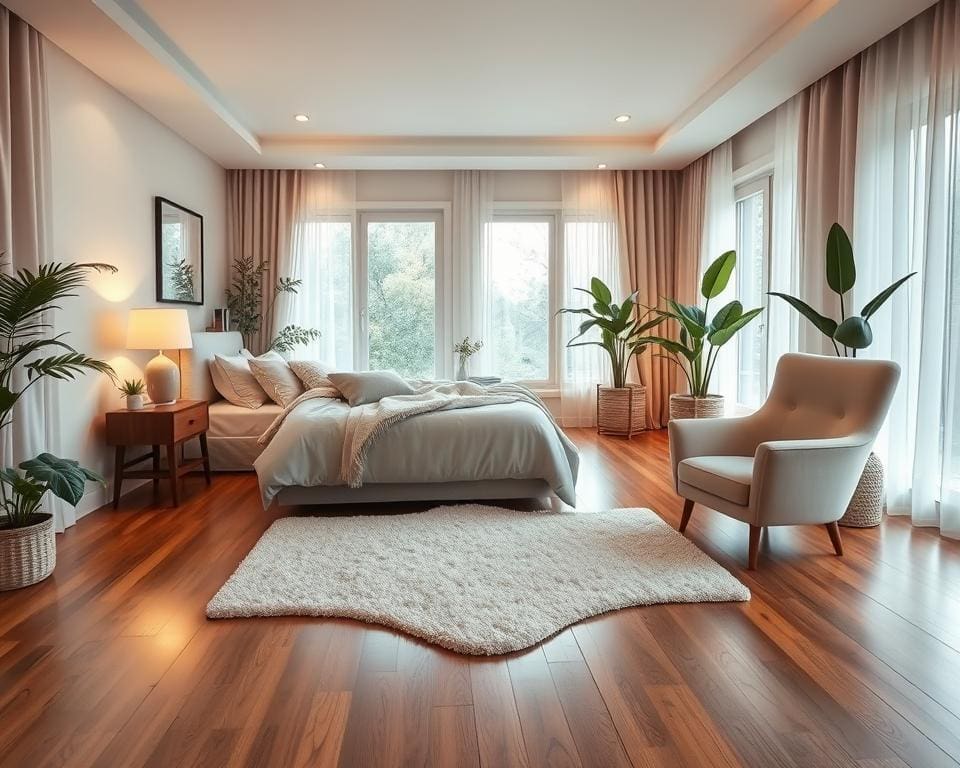
Designing a bedroom that feels like a true bedroom sanctuary starts with clear goals. You want a comfortable bedroom design that supports rest, reduces clutter and fits your daily routine, whether you sleep only or combine rest with study or occasional work.
Before you sketch layouts, note the room dimensions, window positions and heating. In the UK, typical issues include bay windows in Victorian terraces, sloping eaves in loft conversions and party-wall noise in flats. These constraints shape a practical bedroom layout and influence storage choices.
Consider ventilation and central heating behaviour, and check building regulations or listed-building consent for structural changes or fitted wardrobes. Deciding your storage needs and primary use cases early on keeps the design focused and usable.
This article guides you through bedroom design ideas suitable for homes across the UK. Section 2 outlines core principles of layout, scale and comfort. Section 3 offers style and budget options. Section 4 looks at storage, lighting and colour, while Section 5 covers personalisation and upkeep.
Essential principles of bedroom design for comfort and practicality
Good bedroom design starts with clear priorities: sleep, storage and ease of movement. Use simple bedroom layout tips to place the bed where you can access both sides and keep circulation routes free. Think about where daylight and drafts fall through windows and doors to avoid glare and cold breezes on the bed.
Your layout should create distinct zones for sleeping, dressing and optional work or reading. Define areas with rugs, low benches or the headboard without blocking bedroom flow. Plan sockets and switch positions beside the bed so lamps and chargers are convenient and cable clutter is minimised.
Understanding the role of layout and flow
- Leave at least 60–75 cm circulation on either side of a double where space allows; in tighter rooms aim for 50 cm minimum.
- Avoid placing the bed under sloped ceilings where head clearance is limited.
- Reduce noise by siting the bed away from busy corridors or external walls and use heavy curtains and soft furnishings to absorb sound.
Choosing proportions and scale
Match furniture to room size to preserve balance. For compact rooms, choose a small double (4’6″) and slim bedside tables. In taller rooms use larger headboards and tall wardrobes to bring visual balance. Follow simple spacing rules: keep 60–90 cm between larger pieces so movement feels easy.
- Anchor the bed with a headboard proportionate to the wall height to create a focal point.
- Use vertical storage when ceilings are low; pick low-profile furniture to avoid a cramped feel.
- Control pattern and texture: favour larger-scale neutrals in small rooms and add one statement pattern to avoid visual clutter.
Prioritising comfort: mattress, bedding and ergonomics
Your mattress choice UK should reflect sleeping position and size needs. Try popular brands such as Emma, Simba, Tempur or Hypnos when possible. Side sleepers often prefer softer to medium feels; back sleepers medium to firm; stomach sleepers firmer. Check UK sizes so sheets and divan bases fit correctly.
Layer bedding with breathable materials like cotton percale, linen or Tencel. Use tog-rated duvets suited to UK seasons: 10.5–13.5 tog for colder months and 4.5–7.5 tog for summer, or choose a four-season set. Add a mattress protector to extend lifespan and guard against allergens.
- Set bedside height to match mattress top, typically 50–60 cm from floor to mattress for comfortable sitting and standing.
- Place switches and lamps within reach from bed. If the room doubles as a study, choose an ergonomic bedroom design by separating work and sleep zones and using a supportive chair and correct desk height.
- Use hypoallergenic fillings and ensure ventilation to cut condensation and dust mites in the variable UK climate.
bedroom design ideas to suit different styles and budgets
Choose a direction before you shop. A clear brief helps you pick pieces that work together, save money and avoid clutter. These bedroom design ideas cover contemporary minimalism, cosy traditional looks, clever small bedroom ideas and budget bedroom tips that feel high-end.
Contemporary and minimalist approaches
Adopt clean lines and pared-back surfaces to create calm. Use platform beds, floating bedside tables and integrated wardrobes from retailers like IKEA, John Lewis or Made.com to get a streamlined look.
Choose matte finishes, oak-effect or concrete-style flooring and recessed LEDs or an Anglepoise wall sconce for precise lighting. Limit decorative items to two or three high-quality pieces such as a large mirror and a single artwork above the bed.
Add texture with a wool throw or linen cushions so the space stays warm without clutter. For guidance, search for minimalist bedroom ideas that balance function and softness.
Cosy and traditional schemes
Layer textiles, soft rugs and warm paint tones to create a homely feel. Opt for classic furniture such as mahogany or painted bedside chests and a more ornate headboard.
Consider British makers like Hypnos and Silentnight for mattresses and Farrow & Ball or Dulux for authentic period colours. Use curtains or roman blinds, multiple cushions and bedside lamps with fabric shades for soft, ambient light.
Introduce patterned wallpaper or upholstery in small doses to add character. These traditional bedroom ideas emphasise comfort and a lived-in elegance.
Small bedroom design ideas for maximising space
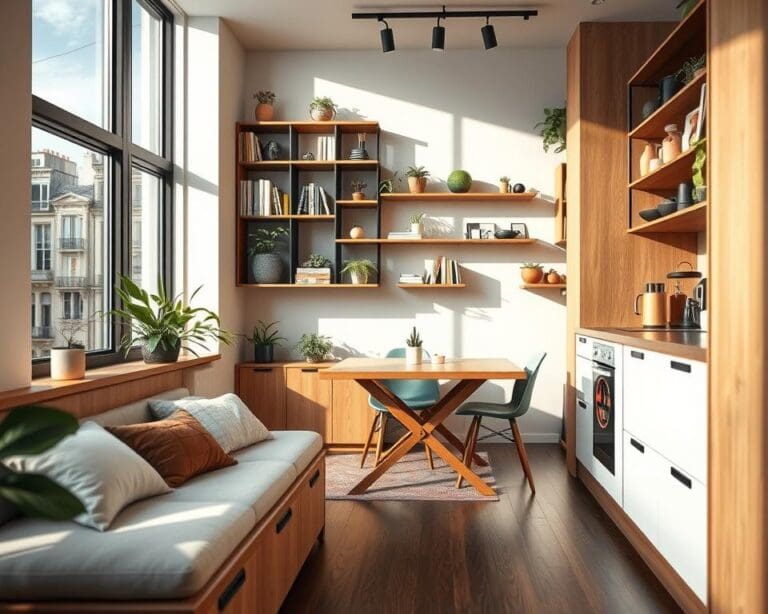
Prioritise multifunctional furniture. A daybed, ottoman bed or under-bed drawers free up floor space and add storage. Choose slimline wardrobes and recessed shelving to keep sightlines clear.
Use light, reflective paints and place a full-length mirror opposite a window to increase perceived depth. Keep flooring continuous with adjacent rooms to create flow and avoid visual breaks.
For awkward alcoves, commission bespoke joinery or use a fold-away desk or Murphy bed if the room doubles as an office. Small bedroom ideas focus on layout, vertical space and clever storage.
Budget-friendly ideas that look high-end
Upcycle finds from Gumtree or Facebook Marketplace and refresh them with paint or new hardware. Swap dated light fittings for modern pendants and add a feature headboard, padded or painted, to anchor the room.
Spend on what matters: a good mattress, quality bedding and curtains. Source affordable pieces from Argos, Dunelm, IKEA or Wayfair and reserve your budget for a few hero items.
Use small upgrades like a dimmer switch, new knobs or tailored trims on ready-made curtains to achieve a designer finish. These budget bedroom tips elevate the look without breaking the bank.
Practical storage, lighting and colour strategies
Start by planning storage, lighting and colour together so each choice supports the others. Clever storage keeps clutter out of sight, lighting sets the mood for different tasks, and a calm palette helps you relax. Below are practical options you can apply in UK homes.
Built-in and modular storage solutions
Built-in wardrobes UK are ideal for making the most of alcoves and awkward nooks. Choose floor-to-ceiling joinery with a mix of hanging rails, drawers and open shelves. Soft-close hinges and drawers from established joinery firms add longevity.
If you rent or want flexibility, look at modular systems such as IKEA PAX, John Lewis units or Scandi brands. These let you add shoe racks, pull-out rails and dividers so internal organisation works for your routine.
Under-bed options and multi-functional furniture save floor space. Consider ottoman beds with gas-lift storage, beds with integrated drawers or benches with storage. Use labelled boxes and drawer dividers to keep clothing tidy.
- Plan wardrobe internals so everyday items sit at eye level.
- Store seasonal clothes in vacuum bags to free space.
- Floating shelves and narrow chests offer storage without bulk.
Layered lighting for different activities
Design a layered lighting bedroom plan with three light types. Start with ambient light from overhead fittings or recessed units. Add task lighting for reading and dressing. Finish with accent lights to highlight art or architectural features.
Choose warm colour temperatures, around 2700–3000K, to encourage relaxation. For dressing areas use daylight-balanced lights near 4000K so colours read true.
- Install dimmers and multiple switching points for flexibility.
- Consider smart bulbs like Philips Hue or LIFX for scenes and schedules.
- Use adjustable wall-mounted reading lights to save bedside space.
Look at lumen output rather than wattage when comparing bulbs and favour LED fittings for energy efficiency and long life.
Choosing a colour scheme that promotes calm
Select calming bedroom colours such as muted neutrals, soft greens, warm greys, pale blues or earthy tones. These reduce visual stimulation and help you unwind.
Introduce contrast through textured fabrics or a single feature wall rather than bold colour on every surface. Test sample pots on different walls and view them at morning and evening light before you commit.
Consider the room aspect. North-facing rooms benefit from warmer tones to counter cool daylight. South-facing rooms can carry cooler shades without feeling cold.
- Use breathable, matte paints to reduce glare.
- Choose low-VOC, scrubbable paints from Farrow & Ball, Benjamin Moore or Dulux for better indoor air quality.
- Avoid highly stimulating reds or vivid oranges in the main sleep zone.
Personalisation, practical finishing touches and maintenance
To personalise your bedroom, select a few meaningful pieces rather than filling every surface. A large framed print or a small gallery above the bed makes a clear focal point and reduces visual clutter. Use secure fixings suited to UK plasterboard or masonry walls so your artwork and mirrors stay safe.
Layer soft furnishings to add warmth and seasonality. Invest in quality cushions, throws and a rug sized so your feet land on it when you rise. Combine blinds for light control with thermal-lined curtains for insulation and acoustic dampening. Choose bedroom accessories UK such as lamps and linen that match both scale and texture.
Introduce plants like snake plant or peace lily for low-maintenance greenery, and use mild linen sprays or reed diffusers rather than strong scents that can disrupt sleep. If you include screens, position them to avoid glare and use night modes; keeping devices out of the immediate sleep zone supports better rest.
Routine bedroom maintenance keeps the space functional and healthy. Vacuum and dust often, launder bedding weekly or fortnightly, and rotate the mattress as the manufacturer suggests. Check window seals, air bedding in warmer months and inspect under-bed storage for pests. For repairs or major upgrades, hire qualified tradespeople and follow UK regulations. Planning adaptable furniture and keeping measurements and supplier details on hand will make future changes easier to manage.