This Amsterdam travel guide is written for UK travellers who want an inspiring, experience-led route to the city’s best places. It outlines what should you see in Amsterdam, from the compact, walkable centre to the UNESCO-listed canal belt and the vibrant neighbourhoods of Jordaan and De Pijp.
The city’s rich museum scene is a highlight: world-class collections, intimate galleries and lively cultural programming make Amsterdam attractions easy to enjoy in short bursts or longer stays. Cycling culture and a diverse food scene add character and value compared with other Western European capitals.
Use this guide to plan efficient visits: whether you have 48 hours, three to four days or a week, the following sections cover top sights Amsterdam, must-see museums, unique experiences, eating recommendations, practical tips and nearby day trips.
Expect clear advice on accessibility, likely costs and sensible time allocations so you can decide quickly which Amsterdam attractions suit your tastes and budget.
What should you see in Amsterdam?
Amsterdam rewards short breaks and longer stays alike. Its compact centre layers 17th-century canals, world-class museums and lively markets close together, so you can feel the city’s cultural energy without long journeys between sights.
Why Amsterdam should be on your travel list
The city packs a remarkable cultural density: the Rijksmuseum, Van Gogh Museum and Stedelijk sit within easy reach of each other. Theatre and concert venues, historic gabled houses and houseboats add texture to every walk.
Cuisine reflects centuries of trade and migration. Try an Indonesian rijsttafel or sample fresh produce at Albert Cuyp Market for a genuine taste of local life. Flights from London and Eurostar to Schiphol make access simple, and English is widely spoken for straightforward navigation.
How to plan time to see top sights
For 48 hours, concentrate on the canal belt, one major museum and a canal cruise or cycle tour. Add a stroll through Jordaan and an evening in De Pijp to round out the city feel.
With 3–4 days you can include a houseboat visit, the Stedelijk and a day trip to Zaanse Schans or Haarlem. A week allows deeper museum exploration, a Keukenhof visit in spring and relaxed neighbourhood discovery.
Practical tips: pre-book timed tickets for the Rijksmuseum and Van Gogh Museum, aim for early visits to avoid queues and group nearby attractions to cut transit time when you plan Amsterdam itinerary.
Best times of year to visit for fewer crowds
Shoulder seasons—late March to May excluding peak tulip weeks, and September to October—offer milder weather, lower visitor numbers and better hotel rates. These months balance pleasant conditions and manageable crowds.
Winter from November to February brings the fewest tourists, lower prices and atmospheric canalside walks. Expect colder days and shorter daylight hours. Spring, especially mid-March to mid-May, is spectacular for blooms but busy; book early if you target Keukenhof and the tulips.
Iconic museums and cultural highlights to visit
Amsterdam’s Museumplein is a compact tapestry of art, design and history. A single day can take you from Dutch Golden Age masterpieces to bold contemporary installations. Plan your route so you enjoy each collection without rushing.
Use the short notes below as a practical outline for visits, timings and highlights that match a relaxed, inspirational itinerary.
Rijksmuseum essentials
The Rijksmuseum guide helps you focus on Dutch Golden Age highlights. Look for Rembrandt’s The Night Watch and select works by Vermeer alongside an extensive decorative arts wing. Enter via the main Museumstraat entrance and allow two to three hours for the core galleries. Audio guides and guided tours clarify context. Timed-entry booking is advised and early morning or late afternoon visits keep crowds low. Pause in the museum café or gardens to refresh.
Van Gogh Museum practical tips
The Van Gogh Museum contains the largest collection of Vincent van Gogh paintings worldwide, including Sunflowers, The Bedroom and major self-portraits. Contextual displays link his work to contemporaries, enriching the experience. Strict timed tickets mean you must reserve Van Gogh Museum tickets in advance, especially in summer. Typical visits last 90–120 minutes. Facilities include a cloakroom, multilingual audio guides and a well-stocked shop with quality prints and books.
Stedelijk Museum overview
Stedelijk Museum Amsterdam specialises in 20th- and 21st-century art and design. Expect works by Piet Mondrian, notable female artists and striking contemporary installations. Temporary exhibitions change regularly, so check listings to catch special shows. The museum pairs well with the Rijksmuseum and Van Gogh for a full Museumplein art day. Workshops, talks and a café make it engaging for visitors interested in modernism, design and living artists.
- Plan: combine early Van Gogh Museum tickets with a midday Rijksmuseum visit; finish with Stedelijk in the afternoon.
- Timing: book timed-entry tickets online to avoid queues and select less busy slots.
- Comfort: use museum cafés and garden spaces to break the day into manageable visits.
Historic canals, bridges and neighbourhoods to explore
Amsterdam’s waterways shape the city’s charm. Strolling the streets and crossing the narrow bridges reveals layers of history and everyday life. Pick a route that mixes grand sights with quiet corners for the richest experience.
Canal belt: why it’s UNESCO-listed and what to look for
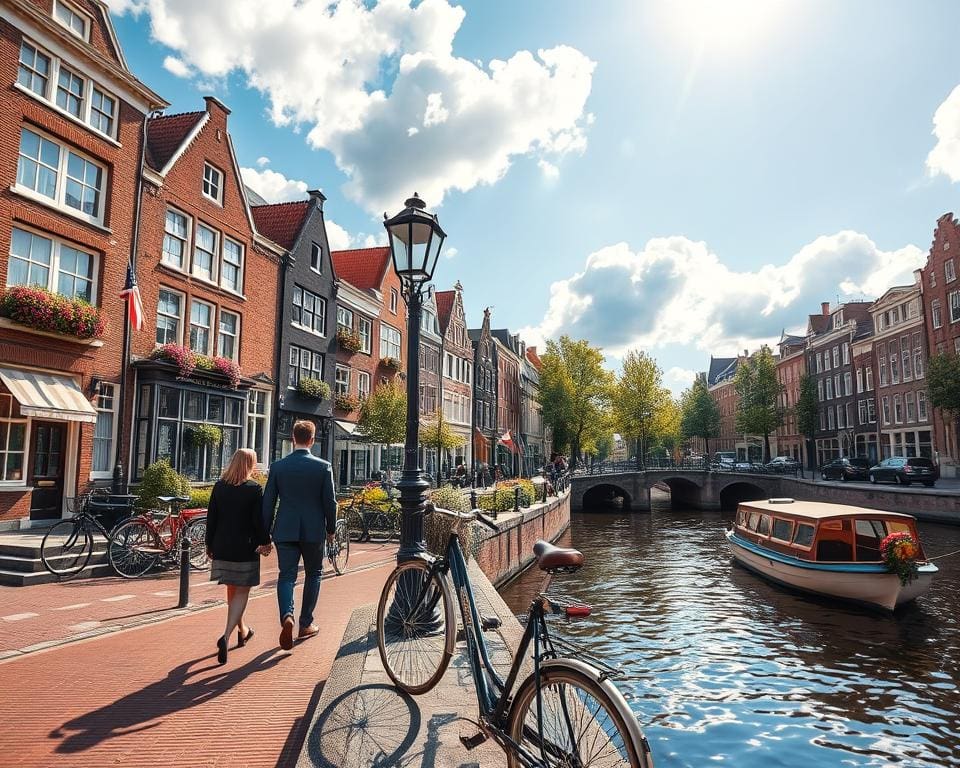
The Amsterdam canal belt UNESCO inscription celebrates 17th-century urban planning. Look for the concentric rings of Herengracht, Keizersgracht and Prinsengracht and well-preserved gabled merchant houses. Merchant warehouses and gable façades tell stories of trade and craft.
Photographers should plan for dawn or dusk. Light on water and reflections make striking images. The best ways to experience these views are on foot, by guided canal cruise, or with a private boat hire for a quieter, intimate perspective.
Jordaan district: local cafés, boutiques and canal houses
The Jordaan district guide points you to narrow streets, small independent shops and cosy cafés. Wander between art galleries and brown cafés, then pause at the Westerkerk for a snap of the spire. Noordermarkt is a highlight on Saturdays, known for antiques and organic produce.
Allow 1–3 hours for a relaxed wander. Stay longer when you want to shop Dutch design or enjoy a leisurely lunch in a canal-side café.
De Pijp: food markets and bohemian atmosphere
De Pijp blends a bohemian spirit with lively street life. Once a working-class quarter, it now buzzes with creative businesses and eateries. Albert Cuyp Market offers street food, stroopwafels and fresh produce amid colourful stalls.
Sarphatipark provides a leafy pause between markets and cafés. In the evening, De Pijp restaurants and low-key bars create a friendly scene for dining and relaxed nightlife. This area shows how Amsterdam neighbourhoods evolve while keeping local character.
Unique Amsterdam experiences beyond the tourist trail
Step away from busy museums and discover quieter, more personal ways to enjoy the city. These offbeat Amsterdam experiences bring local colour and calm to any itinerary.
Houseboat tours and staying on the water
Choose an Amsterdam houseboat stay to feel the rhythm of the canals at night. Stay on a converted vessel near the centre or visit the Scheepvaartmuseum area for classic views. Book reputable operators or verified Airbnb listings and check amenities, berth location and heating for a comfortable stay.
Short guided houseboat trips work well for photography and local history. For a slower pace, hire a private boat for a half or full day and relax while a local skipper points out hidden corners of the canal network.
Cycling like a local: routes and safety tips
Cycling is the fastest way to move around and reach lesser-known neighbourhoods. Follow cycling in Amsterdam tips by hiring bikes from trusted providers such as MacBike, Black Bikes or Donkey Republic.
Use marked cycle lanes, fit lights and a solid lock, and be cautious at tram tracks. Good starter routes include the Museumplein to Vondelpark loop, an Amstel river ride to De Pijp, and longer escapes out to Waterland villages for pastoral scenery.
Hidden courtyards, hofjes and quiet green spaces
Seek out Amsterdam hofjes like Begijnhof for peaceful, historic courtyards tucked behind modest façades. These small enclaves offer a glimpse of medieval and early-modern city life.
Combine visits to lesser-known gardens such as the Hortus Botanicus with strolls through De Negen Straatjes to find tiny squares and calm benches. Use curated self-guided maps or join a specialist neighbourhood walk focused on architectural history to uncover more hidden gems.
- Tip: arrive early at hofjes to avoid crowds and enjoy the silence.
- Tip: carry a compact map or offline app to locate secluded gardens and quiet lanes.
Food and drink spots worth savouring in the city
Amsterdam’s food scene rewards curiosity. From tiny market stalls to atmospheric brown cafés, choices span tradition and global flavours. Use this guide to plan where to eat in Amsterdam, taste classic treats, and enjoy evenings beside the water.
Traditional cafés and where to try stroopwafels
Start mornings at a brown café for a simple breakfast and local atmosphere. These historic pubs serve draught beers and comfort dishes in cosy interiors that feel like a slice of Dutch daily life.
For a sweet pick-me-up, look for a freshly made stroopwafel Amsterdam stall at Albert Cuyp Market. Specialist bakeries such as Lanskroon and Van Wonderen Stroopwafels offer gourmet spins on the classic, perfect for gifting or nibbling on a canal walk.
Indonesian rice tables and multicultural dining
Rijsttafel Amsterdam is an essential dining experience that reflects centuries of culinary exchange. Book ahead for dinner at established Indonesian restaurants to enjoy a multi-dish sharing feast in a relaxed setting.
Beyond rijsttafel, the city’s neighbourhoods serve a global roster: Surinamese roti in De Pijp, inventive fusion in the Eastern Docklands and hearty options in the Old Centre. These areas show where to eat in Amsterdam if you want variety and depth.
Best canalside terraces and cosy pubs for an evening
Choose terraces on quieter canals such as Prinsengracht or Brouwersgracht for mellow sunset views and people-watching. These spots rank among the top canalside restaurants Amsterdam has to offer when you want atmosphere and calm.
For a more intimate evening, brown cafés provide snug interiors and often live music. Enjoy bitterballen with a local beer, then check tram and train times if you plan to stay late. Booking is wise at popular canalside restaurants Amsterdam during high season.
Practical tips for first-time visitors to Amsterdam
A short primer helps you feel confident on arrival. Read these Amsterdam travel tips to save time, avoid stress and enjoy more of the city. Pack sensible shoes, a compact umbrella and an open mind for the canals and cobbled streets.
Getting around: public transport passes and bike hire
Trams, buses and metros run by GVB reach almost every corner of the city. Consider an Amsterdam transport card or an OV-chipkaart for multiple days of travel. Single tickets are available from ticket machines and the GVB app.
From Schiphol, take the direct NS train to Amsterdam Centraal in 15–20 minutes. Taxis and rideshares are available but costlier. Keep a copy of your route and platform in case schedules change.
Renting a bike is the fastest way to move like a local. Compare day hire and e-bikes, check that locks and basic insurance are included, and practise signalling and using cycle lanes. Watch for tram tracks and be cautious at junctions.
Where to stay: neighbourhoods for different traveller types
If you want to be near museums and the canal ring, book in the City Centre or Canal Belt. You pay more for proximity but save time on sightseeing. Museumplein and Oud-Zuid suit families and those prioritising quiet and galleries.
Jordaan and the Nine Streets appeal to couples and culture-seekers with boutique hotels and guesthouses. De Pijp and Amsterdam East attract younger travellers and foodies thanks to trendy cafés and markets.
On a budget, check hostels and low-cost hotels near Sloterdijk, Amsterdam Centraal or Old West. Read recent reviews for noise and transport links before booking where to stay in Amsterdam.
Money, safety and local customs to be aware of
The euro is standard and contactless cards work widely. Carry a small amount of cash for markets and independent stalls. Keep cards in a safe place to avoid pickpocketing in busy areas.
Follow basic Amsterdam safety tips: stay aware of cyclists, avoid stepping into cycle lanes and be cautious near tram tracks. Respect local laws on recreational substances and the rules of coffee shops.
Queuing politely goes far. Most people speak excellent English, though a friendly Dutch greeting such as Hallo or Dank u is appreciated. Keep noise down in residential streets, especially at night.
Day trips and nearby attractions worth adding to your itinerary
From quick escapes to fuller excursions, the area around Amsterdam offers charming options for any pace of travel. Pick a half-day outing or a full-day adventure to extend your stay and sample different sides of Dutch life.
Zaanse Schans: windmills and living history
Zaanse Schans is a living museum that makes history feel immediate. Preserved windmills stand beside craft workshops where blacksmiths, clog makers and cheese producers demonstrate traditional skills.
It takes about 3–4 hours to see the windmills, watch demonstrations and taste local cheese. Reachable by a short train or bus ride from Amsterdam Centraal, the site is ideal for travellers who want an authentic rural snapshot without long travel times.
Guided tours that include transport simplify logistics for visitors who prefer a turn-key option.
Keukenhof and spring bulb season alternatives
Keukenhof draws crowds for its vast tulip displays during March to May. Book ahead if you plan to visit during peak bloom to avoid long waits.
If you prefer quieter scenes, consider bulb fields in the Noordoostpolder or garden trails around Leiden. These Keukenhof alternatives let you cycle or drive through colourful stretches with fewer people.
Combining Lisse with nearby villages makes for a flexible day trip. Coach tours from Amsterdam offer convenience, while cycling gives you time to pause and photograph the landscape.
Haarlem and Utrecht: easy train trips for more culture
Haarlem sits 15–20 minutes by train from Amsterdam. The Grote Markt, Frans Hals Museum and boutique streets reward a calm stroll. Travel further to Bloemendaal aan Zee for a seaside detour on warmer days.
Utrecht lies about 25–30 minutes by train. Walk the medieval wharf-cellars along the Oudegracht, climb the Dom Tower and visit Museum Speelklok for a dose of musical history. Cafés line the canals and make for relaxed stops between sights.
Both cities work well as half-day or full-day options. Frequent trains from Amsterdam Centraal mean spontaneous plans are simple to arrange, whether your focus is museums, architecture or café culture.
- Suggested timing: Zaanse Schans — 3–4 hours; Haarlem — half to full day; Utrecht — half to full day.
- Logistics tip: check train schedules on NS or consider guided tours for combined transport and entry.
- Best for: easy day trips from Amsterdam when you want culture, history or quieter countryside views.
Practical reviews and recommendations for booking sights
Plan ahead to book Amsterdam attractions and you will save time and avoid stress. For timed-entry museums such as the Van Gogh Museum, Anne Frank House and special exhibitions at the Rijksmuseum, use the museums’ official websites or verified resellers. This reduces the chance of scams and long queues, and makes your visit smoother.
When choosing canal cruises and day trips, read an Amsterdam tickets review and compare providers. Smaller operators often offer quieter routes and English commentary; evening or private cruises feel more personal than the largest boats. For bike hire, consider established firms like MacBike or Black Bikes for well-maintained bikes and clear rental terms, while app-based options such as Donkey Republic add convenience—check lock and theft protection before you accept a booking.
Think about savings: evaluate the I amsterdam City Card against single tickets to see if it suits your itinerary, and look for off-peak slots to cut costs. For houseboat stays or unique accommodation, prefer listings with verified guest reviews and full safety and amenity details. For food experiences like a rijsttafel, book ahead at reputable restaurants and visit markets in the morning for the freshest fare.
Before final purchase, confirm opening hours and temporary closures, keep printed and digital confirmations, and review cancellation policies carefully—especially for international travellers. If you’re unsure where to buy Amsterdam museum tickets or which are the best tours Amsterdam, follow those practical checks and choose vendors with strong, recent reviews to ensure a reliable and memorable trip.