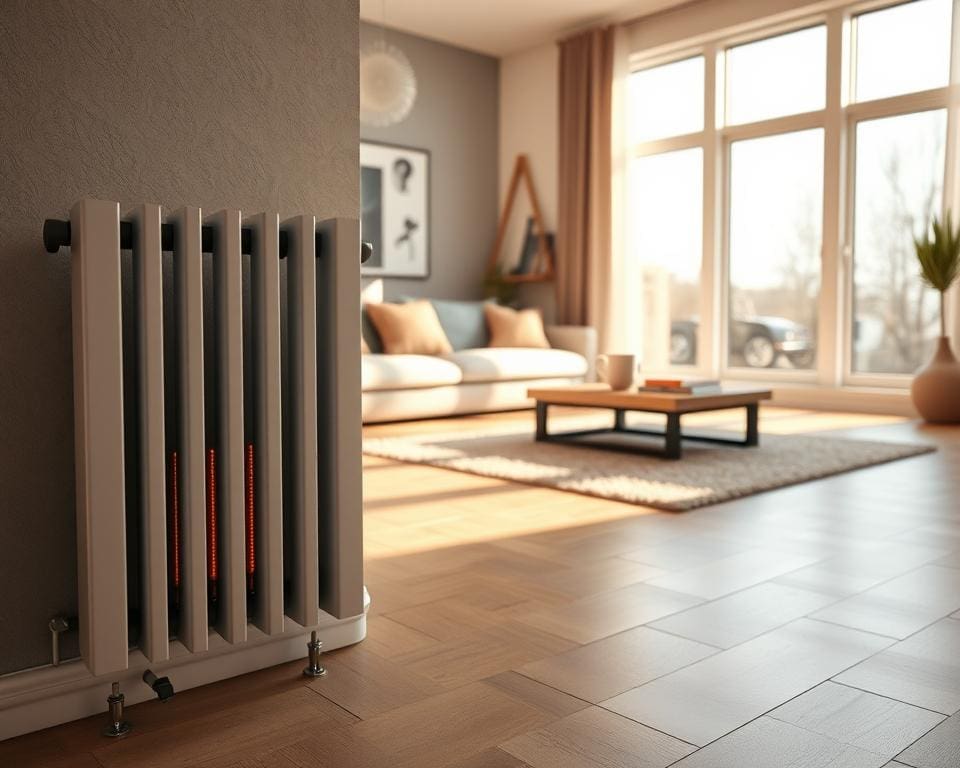
Underfloor heating brings a different kind of warmth to UK homes. Unlike radiators, radiant floor heating UK systems deliver heat from the floor up, creating even underfloor warmth that feels naturally cosy and steady across a room.
That steady heat improves home comfort by removing cold spots and draughts common in period homes and terraced houses. UFH benefits also include better air circulation with less dust movement, more usable wall space, and a sleeker aesthetic that suits modern and traditional interiors alike.
Energy efficiency and compatibility with low‑temperature sources, such as air and ground source heat pumps, make underfloor heating a practical choice for households looking to lower running costs and carbon footprint. Regular maintenance and simple fabric improvements like loft insulation further enhance performance.
For technical comparisons and authoritative guidance, consult industry bodies and suppliers including the Energy Saving Trust, the Heating and Hotwater Industry Council, and manufacturers such as Uponor and Warmup, or read practical tips on home efficiency from this guide at how to keep your home warm and.
Read on to explore even heat distribution, installation choices and the full range of UFH benefits so you can decide whether this cosy home heating option suits your property and lifestyle.
How does underfloor heating improve home comfort?
Underfloor heating transforms the feel of a room by delivering warmth where it matters most. This opening passage outlines practical benefits that homeowners notice day to day, from gentler temperature profiles to cleaner air and neater interiors. The following points explain how systems such as electric mats and hydronic circuits change daily comfort in UK homes.
Even heat distribution and thermal comfort
Underfloor systems work by spreading heat across a wide surface area, so rooms warm evenly and cold spots disappear. The result is a temperature gradient that is warmer at floor level and slightly cooler by the head, which people find more comfortable than the sharp stratification from radiators.
Radiant heating typically operates at lower flow temperatures while giving the same perceived warmth as higher-temperature radiator systems. Manufacturers such as nVent RAYCHEM and Uponor publish data showing heat output per m² and typical temperature profiles that demonstrate this effect.
Improved air quality and reduced dust circulation
Because the system relies on radiation and gentle convection rather than forceful air movement, it limits turbulent drafts that lift dust. That leads to reduced dust circulation and fewer airborne particulates in living spaces.
People with allergies or respiratory sensitivities often notice fewer triggers in homes fitted with radiant heating. Environmental health guidance states that low-velocity radiant systems help maintain steadier humidity and air quality compared with high-flow forced-air setups.
Enhanced usable living space and aesthetic benefits
Removing wall-mounted radiators frees space for furniture, storage and creative layouts. This is especially useful in compact UK dwellings and in rooms with period features or bay windows where every centimetre counts.
Underfloor solutions are invisible beneath the finish, so sightlines remain clean and flooring choices stay flexible. These aesthetic heating solutions add modern appeal and feature on many property listings as desirable underfloor heating benefits UK buyers expect.
Energy efficiency and cost savings with underfloor heating
Underfloor heating can reshape how a home uses energy. It runs at lower temperatures than radiators and relies on floor mass to hold warmth. These traits improve heat retention and help reduce fuel demand over a typical day.
Lower running temperatures and heat retention
Wet systems commonly operate between 35°C and 55°C, far below the 60–75°C of many radiators. That low-temperature heating reduces losses in pipework and boosts system performance when paired with modern boilers or heat pumps.
Homes with concrete or screeded floors benefit from stored warmth. The thermal mass smooths temperature swings, so systems cycle less often and maintain comfort for longer periods. This behaviour helps curb running costs underfloor heating owners face each winter.
Compatibility with renewable and low-temperature heat sources
Underfloor heating has strong heat pump compatibility. Air-source and ground-source heat pumps work best with systems that need lower flow temperatures, which raises overall efficiency and cuts carbon output in line with UK grid decarbonisation goals.
Systems can also link to solar thermal or biomass setups in hybrid designs. Thoughtful integration can raise the share of renewables and improve long-term performance. For practical advice, consider guidance like the material at how to keep your home warm and.
Long-term financial considerations
Upfront costs differ by system type. Electric mats are cost-effective for small rooms, while wet UFH suits whole-house installs despite higher installation expense. Lifecycle cost depends on energy prices, insulation, and control quality.
Careful specification shortens payback. Good insulation, smart thermostats and planned maintenance reduce lifecycle cost and limit surprises. Wet UFH installed correctly can last decades with modest upkeep, making it an appealing long-term investment.
Installation types, practical considerations and suitability
Choosing the right underfloor system shapes comfort, cost and installation work. This section outlines the main options, what to expect during retrofit underfloor heating projects and how UFH controls and heating zoning can unlock better performance and lower running costs.
Wet (hydronic) and electric systems compared
Wet systems use PEX or multilayer pipes set in screed or dry boards. They pair well with boilers and heat pumps and suit whole-house fits where new build UFH can be planned from the start. Manufacturers such as Uponor and Wavin provide guidance on pipe spacing and expected outputs.
Electric systems include mats, loose-wire and foil types. They install quickly and work well for single-room retrofit underfloor heating projects or where installation depth is limited. For large areas electric costs can climb unless paired with off‑peak tariffs or a low-carbon electricity supply.
Retrofit challenges and new build advantages
New build UFH is easiest to embed in screed or suspended floors. Designers can account for additional floor height and insulation early in the build, which helps efficiency and performance.
Retrofit underfloor heating often leans towards electric options or low-profile wet solutions like thin overlay boards and dry panels. Wet retrofits can require lifting floors, altering skirtings and trimming doors, so a professional survey is recommended to assess installation depth and insulation improvements.
Control strategies, zoning and sensors
Modern UFH controls bring precision. Room-level thermostats and programmable schedules manage thermal inertia and create tailored comfort. Popular smart systems such as Nest, Hive and Honeywell evohome can be integrated for timed warming and remote control.
Heating zoning divides a property by room or floor to cut waste and improve comfort. Typical layouts place separate circuits in living rooms and bathrooms so temperatures match use patterns. Weather compensation, floor and air sensors help maintain stable setpoints and adapt to outdoor swings, reducing unnecessary energy use.
- Check floor finish compatibility and tog values before selecting a system.
- Factor installation depth into door and threshold planning.
- Ensure installers follow Building Regulations Part L and manufacturer instructions.
Health, safety and lifestyle benefits for UK households
Underfloor heating offers clear health benefits underfloor heating by reducing air movement compared with forced-air systems. Lower turbulence means less airborne dust and allergen reduction, helping people with asthma or seasonal allergies breathe easier. The steady warmth at floor level also supports comfort-related wellbeing, which can improve sleep and general mood for older occupants and those sensitive to cold.
Consistent floor temperatures help limit surface condensation on floors and lower walls, aiding mould and damp control when combined with good ventilation and insulation. The nature of odour-free heating avoids the dry, odorous air sometimes linked to convection heaters, creating a fresher indoor environment that contributes to long-term wellbeing in family homes.
There are notable safety UFH advantages in households with children or vulnerable adults. The absence of hot radiators and exposed pipework reduces burn risks and trip hazards. For electrical safety, electric systems should be installed by qualified electricians with RCD protection and certification, while wet systems need pressure testing and accreditation from installers to meet UK standards.
Lifestyle benefits include quieter, low-maintenance operation and broader flooring choices. Ceramic tiles, engineered wood and suitable carpets all work with underfloor heating when paired with the right underlay and tog values. This combination of comfort, efficiency and longevity also supports property value, making underfloor heating an attractive feature in UK real-estate listings and a persuasive selling point for buyers and tenants.