
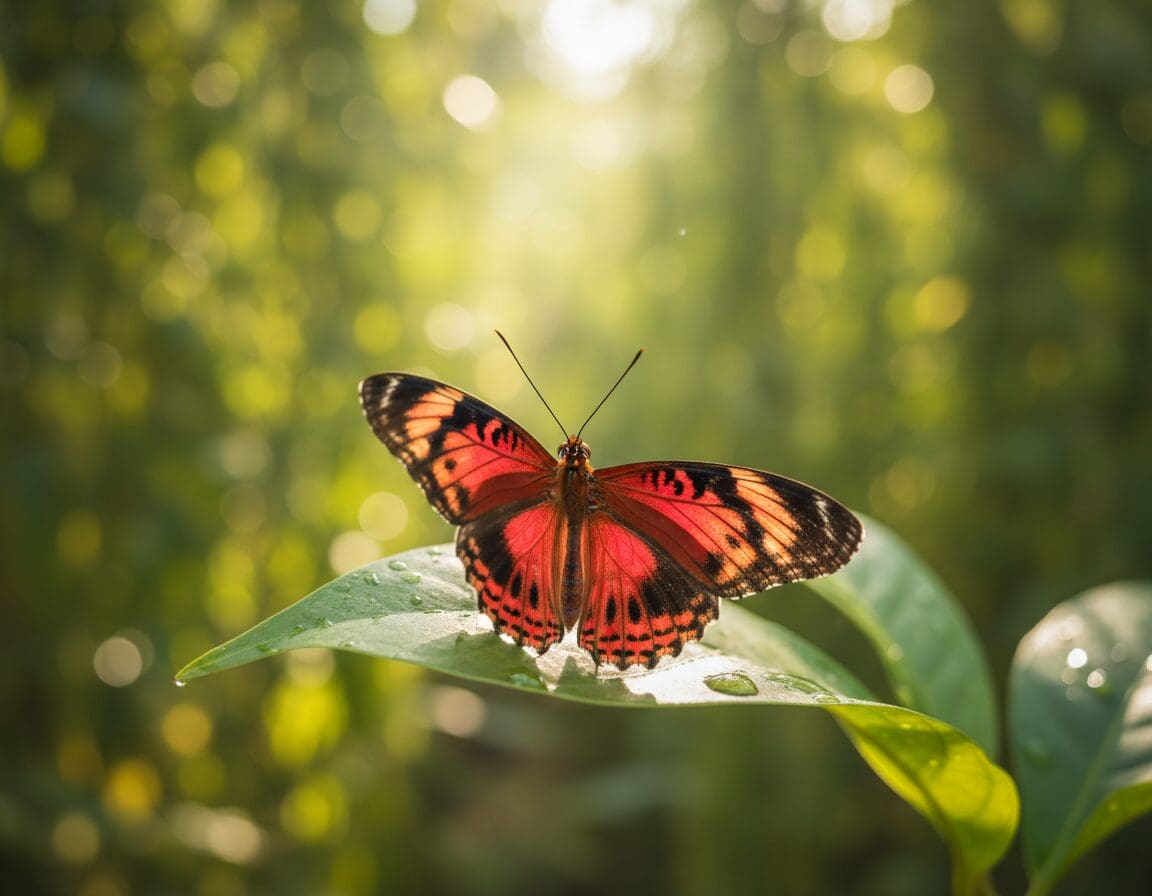
Spotting a red butterfly can feel like a small miracle. This opening section asks plainly: what does a red butterfly mean and why do such sightings stir the imagination in the United Kingdom and beyond.
Butterflies are universal symbols of metamorphosis and renewal, and colour shifts those meanings. The red butterfly meaning often adds notes of passion, vitality and decisive change to the usual themes of growth and transformation.
True red species are uncommon in British fauna, though familiar visitors such as the Red Admiral, Vanessa atalanta, show striking red bands, and tropical species like the Crimson Rose, Pachliopta hector, demonstrate how vivid wings catch attention worldwide.
The timing, place and behaviour of the insect—landing near you, fluttering persistently—can shape personal interpretation. Many cultures assign significance to such encounters, which helps explain the enduring red butterfly symbolism.
This article does not promote superstition. Instead it offers culturally grounded and spiritually sensitive frameworks so readers can reflect on the symbolism of red butterflies, apply practical insights from butterfly meanings UK, and respond in mindful, inspirational ways.
what does a red butterfly mean
The red butterfly carries a striking mix of meanings that blend emotion and change. In brief, this creature often points to passion, transformation and vitality while adding an urgent, focused tone to the usual butterfly message. Sightings prompt attention to the heart, to choices and to life force.
Symbolism in brief: passion, transformation and vitality
The core triad for a red winged butterfly is simple and strong. Passion appears as romantic desire or creative fire, urging active feeling. Transformation speaks of metamorphosis, life changes and rebirth, but with an immediacy that asks for bold steps. Vitality signals energy, courage and a surge of life force that animates action.
Cultural interpretations across the world
Across regions, meanings shift with local belief and ecology. In many Latin American and Caribbean traditions vibrant-coloured butterflies link to ancestral messages and love. Parts of Africa read bright-winged butterflies as signs of fertility or impending good news. In tropical Asia red butterflies may be tied to prosperity, auspicious omens or protective spirits.
Regional stories and religion shape how people respond. Local ecology influences which species appear and how often. That context creates varied global interpretations red butterflies, so a sighting can feel intimate or communal depending on place.
How the red colour alters typical butterfly meanings
Colour psychology and semiotics explain why red changes the tone. Red denotes passion, danger, life and blood in many symbolic systems. When paired with the butterfly’s theme of change, readings can become a call to act passionately, a warning to choose courageously, or a prompt to reconnect with primal energy.
Personal history and cultural background shape whether the experience feels comforting, urgent or romantic. The colour intensifies the message, turning gentle metamorphosis into a moment that demands notice and intention.
Spiritual and emotional symbolism of red butterflies
The sight of a red butterfly can feel like a gentle nudge from life. Many readers report moments of quiet clarity when a red winged visitor appears, as if a message has arrived that touches the heart and stirs inner strength.
Messages about love, desire and relationships
When a red butterfly lands nearby, some people take it as a red butterfly love sign. This interpretation ties the insect to romantic attraction, the return of desire, or the start of a passionate chapter. Spiritually minded guides suggest the encounter can encourage opening the heart, acting on feelings or seeking honest conversation with a partner.
Care is advised in reading such signs. A red butterfly can signal healthy, reciprocal love or point to intense attraction that needs firm emotional boundaries. Treat the sighting as a prompt to reflect on your motives and to choose openness with care.
Red butterflies as signs of courage, energy and life force
Bright red wings often read as a courage symbol butterfly, a visual metaphor for vitality and boldness. People who work with synchronicity describe feeling braver after a sighting, inspired to face fears or begin a creative project.
Psychologists call this a meaningful coincidence: an external cue that boosts confidence and motivates action. Notice how your energy shifts after the encounter and use that momentum to take a deliberate next step.
Connections to healing, renewal and personal transformation
The idea of metamorphosis adds depth to the healing symbolism red butterfly. The insect combines the life cycle of change with the energising hue of red, suggesting recovery from trauma or a reclaiming of personal power.
A red butterfly may serve as an invitation toward personal transformation butterfly work: therapy, meditation or lifestyle changes that support renewal. Simple rituals—journalling, quiet reflection or symbolic offerings—can help integrate the message and make the change practical.
- See a red butterfly love sign as an encouragement to be honest in relationships.
- Read the courage symbol butterfly as permission to act on creative impulses.
- Use the healing symbolism red butterfly to guide restorative practices and growth.
Cultural, mythological and historical perspectives on red butterflies
Across cultures, red butterflies have carried layered meanings that blend wonder and warning. Scholars such as Katharine Briggs and collections like the Oxford Book of British Folk Tales record stories linking butterflies to souls and omens. These accounts help explain why a single red mark on a Red Admiral or small tortoiseshell could be read as a message from the otherworld.
Folklore in Europe and the British Isles
In the British Isles, many traditions treat butterflies as messengers of the dead or as transitional spirits. Classic folklorists documented beliefs that a butterfly’s arrival could foretell love, loss or the presence of a departed relative. That pattern appears across wider Europe, where regional tales give weight to even small red flashes on wings.
Asian and Indigenous traditions
Chinese symbolism links the colour red with joy, luck and marriage. In this context, a red-winged butterfly often becomes a positive omen, one that signals celebration or a favourable turn in life. Across Indigenous nations worldwide, red butterflies appear in clan stories, spirit‑animal systems and healing practices.
Respect for local protocols matters when discussing these traditions. Meanings differ by community and by ceremony. Some groups assign powerful spiritual roles to certain species, making interpretation a careful, place-specific practice.
Art, literature and historical symbolism
Writers from the Romantic era used butterflies to evoke fragile beauty and intense feeling. Poets such as William Wordsworth and painters in the Victorian period treated winged insects as emblems of fleeting life. In modern visual culture, artists reuse the Red Admiral’s striking bands as motifs that speak of resistance, mortality and rebirth.
Over time, the symbolism of colour and insect has shifted. Contemporary creators mix historical meanings and new concerns to craft fresh narratives for butterflies in art and literature. These layers keep the red butterfly alive as a potent image across media.
- Folklore red butterfly appears in tales tied to souls and omens.
- British Isles butterfly myths often link sightings to love or loss.
- Asian butterfly traditions tend to cast red butterflies as auspicious.
- Indigenous red butterfly symbolism varies widely and demands respect.
- Butterflies in art and literature trace a path from Romanticism to modern protest.
Practical ways to interpret and respond to seeing a red butterfly
When you spot a red butterfly, pause and breathe. Take note of the place, the weather and how you feel in that moment. If it feels right, photograph the sighting and jot a few lines in a journal. These simple acts help you interpret red butterfly sighting by anchoring the memory and revealing patterns over time.
Use the encounter as a prompt for gentle ritual rather than superstition. Write an intention inspired by the sighting, sketch the wings, press a nearby flower or practise a short meditation focused on courage or the heart. Carry a small red token or make a brief list of actions; such mindful butterfly practices turn symbolism into a practical reminder for growth.
Let the message shape practical choices. If the sighting highlights relationship tension, consider honest conversation or counselling. If it signals creative urgency, set a clear, manageable goal and begin one step today. If it points to healing, book a therapy session or join a supportive group. These steps show how to respond to butterfly symbolism in ways that support real change.
Remember balance and safety: red can also signal intensity or boundary issues. If a sighting provokes anxiety or distress, seek professional support rather than relying solely on interpretation. Honour the butterfly too — plant nectar-rich flowers and back local conservation efforts such as Butterfly Conservation or the RSPB — and you will deepen the meaning while protecting the species.