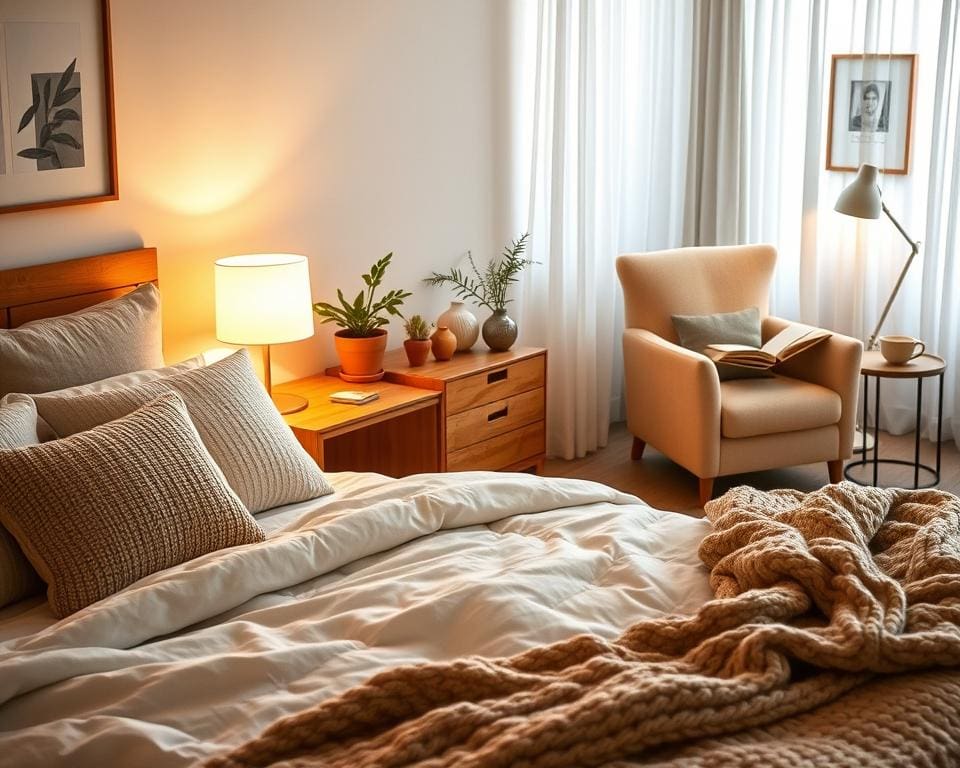
Turning a bedroom into a cosy bedroom and true bedroom sanctuary starts with clear, practical choices. Small changes to colour, lighting and bedding can lift a space in flats and terraced houses across the UK. Focused edits often deliver the biggest payoff for a comfortable bedroom and a more restful bedroom design.
Think of this as a layered process. Prioritise a good mattress and breathable bedding from trusted UK sources such as Silentnight or John Lewis to support sleep health. Pair that with warm, adjustable lighting and a muted colour palette to make the room feel calm and inviting.
Space and heating vary across British homes, so aim for flexible solutions. Use compact storage, multi‑use furniture and seasonal textiles to keep your cosy bedroom adaptable year‑round. These UK bedroom ideas are designed to improve sleep quality, create a personalised look and make comfort easy to maintain.
Foundations of a cosy bedroom
Good foundations set the mood and make a bedroom work for rest and everyday life. Start with colour, light and the sleep surface before layering textiles and decor. Small, considered choices here shape how you feel the moment you step inside.
Choosing the right colour palette
Muted, desaturated tones calm the eye and lower evening arousal. Soft greys, warm beiges, dusty blues, sage green and terracotta accents sit well together when planning bedroom colour schemes.
Undertones matter. Test cosy paint colours from Farrow & Ball, Dulux or Little Greene in both daylight and with lamps before you commit. A small tester pot reveals how a shade reads at different times of day.
An accent wall behind the headboard brings depth without overwhelming a small room. Pair warm neutrals with a single cooler or richer accent to keep the palette balanced. Keep ceilings lighter to preserve a sense of height.
Prioritising lighting for warmth and ambience
Layering light gives control over mood. Use ambient fittings for general glow, task lamps for reading and accent lights such as LED strips for subtle highlights. This approach makes sleep-friendly lighting simple to achieve.
Choose warm white bulbs in the 2700–3000K range to create a comforting glow. Fit dimmers or smart bulbs so you can lower brightness for winding down or raise it for dressing and chores.
Practical fittings matter. Bedside lamps with adjustable heads, wall-mounted swing-arm lamps and low-level floor lamps give flexible light without clutter. Plan separate switches or smart scenes so reading, relaxing and nightlight settings are easy to select.
Investing in mattress and bedding for sleep quality
The mattress is the single most important comfort investment. Consider pocket-sprung, memory foam or hybrid options from trusted brands in the UK such as Silentnight, Hypnos, Simba, Emma and Tempur when you search for the best mattress UK.
Choose firmness to support spinal alignment. Try beds in-store and use trial periods offered online, often around 100 nights, before you decide. A well-chosen mattress works with bedding essentials to improve sleep quality.
Opt for breathable bedding fabrics like cotton percale, linen or bamboo and select flannel for winter warmth. Thread count matters less than fibre quality and weave. Add supportive pillows and a topper if you need extra cushioning or pressure relief.
Rotate or follow care instructions for your mattress and wash sheets weekly to keep the bed fresh. These daily habits protect your investment and sustain a restorative sleep space.
cozy bedroom ideas
Warmth and texture transform a bedroom into a calm retreat. Use simple styling moves to add comfort without clutter. Focus on tactile layers, a snug corner for quiet time and a few personal touches to make the space feel wholly yours.
Layered textiles: throws, cushions and rugs
Start with bedding that invites touch. Mix knits, wool and linen to create contrast in feel and sight. Vary cushion sizes with large European shams, medium cushions and a small lumbar to build depth.
Keep a heavy wool or chunky-knit throw at the foot of the bed for chilly nights and a lighter cotton throw for summer days. Anchor the bed with a rug that extends at least 60–90cm beyond the sides so bare feet land on warmth.
Choose natural fibres such as wool or jute for durability and cosiness. Use rugs and cushions to introduce accent colours or subtle patterns that complement the main palette.
Creating a reading nook or relaxation corner
Pick a corner near a window where natural light feels inviting. Fit a compact armchair, chaise or a built-in bench with extra cushions and throws to make the spot usable in small rooms.
Add a dedicated reading light like a floor lamp or an adjustable wall lamp and a small side table to hold a cup, book or diffuser. Include a slim bookcase or floating shelves to keep favourite reads close by without crowding the sleeping area.
Soft extras such as a footstool, tray and a rug help damp sound and increase comfort. A well-planned bedroom reading nook can become the day’s favourite refuge.
Personal touches: artwork, plants and meaningful objects
Select calming artwork—landscapes, gentle abstracts or curated prints—and frame pieces with a consistent finish for cohesion. Keep groupings modest so the room stays restful.
Introduce bedroom plants for a fresh, verdant touch. Hardy options like snake plant, ZZ plant or pothos suit busy lives and improve air quality. Choose decorative pots that echo the room’s tones for a polished look.
Display a few treasured books, travel finds or family photos to personalise the space. Edit items regularly to maintain a calm atmosphere and avoid overstimulation as you refine your personalised bedroom décor.
Practical organisation to enhance comfort
Clutter and poor layout drain calm from a bedroom. Practical organisation restores order and makes a space feel restful and useful. Small changes to storage and furniture arrangement can lift mood and improve daily routines.
Smart storage solutions to reduce clutter
Use under-bed drawers or flat containers for off-season clothes, spare bedding and shoes to declutter bedroom surfaces. Breathable storage bags keep fabrics fresh for long-term use.
Built-in and fitted wardrobes maximise vertical space with rails, shelves and drawers. Sliding doors work well in compact rooms where every centimetre matters.
Choose multifunctional furniture such as ottomans, beds with storage bases and bedside tables with drawers to hide everyday items. Drawer organisers and jewellery trays make small things easy to find.
Shop UK storage solutions from IKEA, John Lewis, Made.com or commission a local carpenter for bespoke fittings. Reclaimed furniture offers a sustainable route with character.
Arranging furniture for flow and functionality
Place the bed against a solid wall so it reads as the room’s focal point and remains visible from the door. Keep a circulation space of around 60–75cm where possible to ease movement.
Balance the room with matching bedside tables or lamps. In tighter layouts, a single bedside storage unit or a wall-mounted shelf keeps the look coherent without overcrowding.
Avoid blocking natural light and pathways. Use mirrors to reflect light and create a sense of space. Do not cover radiators or vents with bulky furniture; low-profile pieces help preserve even heat distribution.
Seasonal swaps to maintain comfort year-round
Rotate bedding with the seasons: flannel sheets and heavier duvets for autumn and winter, lighter linen or cotton for spring and summer. This simple swap keeps sleep comfortable.
Store bulky winter throws in vacuum bags or under-bed boxes during warmer months to free space and reduce the need to declutter bedroom items frequently.
Fit thermal-lined curtains to retain heat in winter and lighter linen for summer airflow. Check window draughts, service boilers regularly and manage humidity with a dehumidifier or house plants to protect comfort and air quality.
Adding sensory elements for a restorative space
Start by tuning the senses: scent, sound, touch and temperature all shape how restful a room feels. For scent, try ultrasonic diffusers with lavender, chamomile or bergamot, or a light linen spray on pillowcases. Soy or beeswax candles add warm glow, but never leave them unattended. These calming scents for bedroom use should be subtle and consistent to avoid overwhelming the space.
Sound matters as much as smell. Use white noise or dedicated sound machines to create gentle bedroom soundscapes that mask traffic or household noise. Soft furnishings — rugs, heavy curtains and an upholstered headboard — absorb sound and make the room feel snug. Curate calming playlists or guided meditations and set timers so music supports your wind-down without disturbing sleep.
Pay attention to temperature and touch. Aim for a bedroom temperature around 16–19°C and layer bedding to adapt through the night; thermostatic radiator valves help maintain steady warmth. Mix smooth linen and cotton with wool or knitted throws to bring tactile bedroom textures that feel inviting and cut the need for higher heating. Blackout curtains or blinds keep early-morning light out, while a low nightlight helps with safe movement at night.
Finally, build simple rituals: a 30–60 minute pre-sleep routine of dimmed lights, a caffeine-free drink and light reading signals the body to unwind. Keep screens out of the bedroom or switch devices to night mode to reduce blue light. Choose durable, ethically produced textiles and buy locally where possible — quality materials last longer and help your room stay a true sleep sanctuary. These sleep sanctuary tips, combined with sensory bedroom ideas, create a calm, restorative retreat you will return to each night.