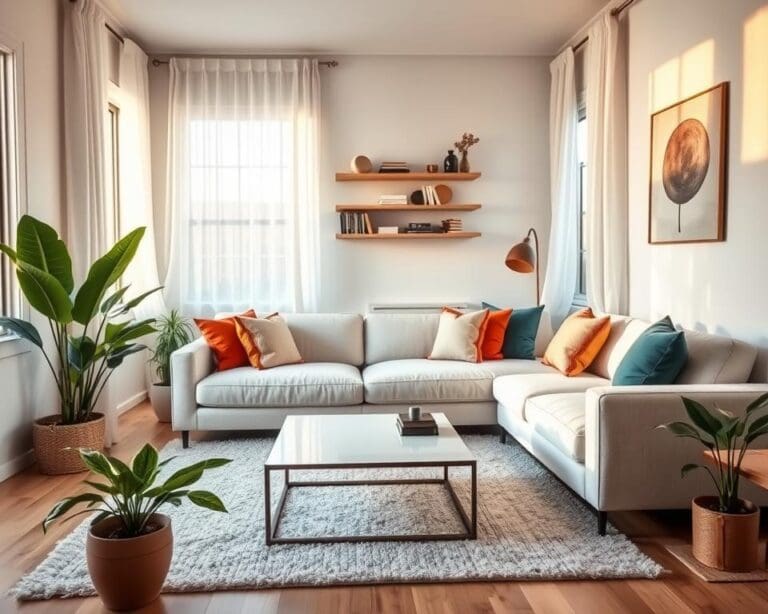

Living in a compact space can feel limiting, but with the right plan you can make every metre count. This guide explains practical, efficient small home tips to help you declutter, zone rooms and choose storage that works in real UK homes.
You’ll learn why small home organisation matters: less stress, quicker cleaning and a more functional layout. Good organisation can also boost resale or rental appeal, especially in flats, terraced houses and compact suburban homes common across Britain.
Read the sections in order for best results. Start with decluttering small homes and planning, then move on to zoning and furniture choices, adopt daily routines to maintain order, and finish by looking at products and layouts that suit your space.
Practical notes cover British layouts and opportunities, from narrow entrance halls and small kitchens to under-stairs cupboards, lofts and alcoves. You can source storage at IKEA, John Lewis & Partners, Argos, Dunelm or Habitat, and dispose responsibly via council bulky waste collections or charity shops such as British Heart Foundation and Oxfam.
By the end you’ll have a clear, step-by-step approach to organise small flat or house spaces, with budget-minded methods and realistic product ideas to maximise small space and keep it working for your daily life.
Small home organisation: practical strategies to maximise every inch
Living in a compact home need not mean living in chaos. Start with a clear plan that prioritises what you use every day, where items belong and how to keep floors free. Small changes add up quickly when you follow simple, repeatable steps that suit your lifestyle.
Declutter first: what to keep and what to let go
Begin by sorting belongings into keep, donate, recycle and bin. Use the one-in-one-out rule or a 12-month rule to guide decisions. Tackle one category at a time — clothes, books or paperwork — to avoid overwhelm.
Label clear boxes for unsure items and set a review date. For disposal in the UK, donate to British Heart Foundation or Oxfam, sell on Vinted or eBay, and take hazardous waste to your local household recycling centre. If needed, book a bulky waste collection.
Decluttering can feel emotional. Set small targets, invite a friend for support or hire a professional organiser when you need help.
Zone your space: creating functional areas in compact homes
Think in terms of activities rather than rooms: sleeping, working, eating, relaxing and storage. Zoning helps you zone small space with purpose and makes daily routines simpler.
Use rugs, lighting and furniture placement to mark zones. In a studio, position a sofa back to the sleeping area or use a bookcase as a divider. For families, create a dedicated toy zone with labelled boxes so play items stay contained.
Keep frequently used items close to their zone and store seasonal things in loft or under-bed storage to free everyday space.
Multipurpose furniture and clever storage solutions
Choose pieces that do more than one job to avoid clutter. Look for storage beds, ottomans and sofa beds that combine seating, sleeping and hidden storage. Nesting tables and extendable dining tables save floor space when not in use.
Retailers such as IKEA, John Lewis and Argos stock practical, budget-friendly multipurpose furniture. For unusual spaces, consider bespoke units from Made.com or deVOL to fit awkward corners.
Organise inside furniture using drawer dividers, under-bed vacuum bags and IKEA VARIERA boxes. Clear, labelled tubs make internal storage quick to manage.
Vertical storage and wall-mounted organisers
Use walls to reclaim floor area. Floating shelves, tall bookcases and pegboards keep surfaces tidy. Magnetic strips for knives, wall-mounted bike racks and over-door organisers free up cupboards.
Choose suitable fixings for wall type and fit heavy items with rawl plugs or professional help. Tenants can use Command hooks, freestanding tall shelving or tension poles to avoid damage.
Find supplies at B&Q, Screwfix and Hobbycraft for pegboards and fixtures. Loft or eaves shelving can be added by a loft conversion specialist or local handyperson to increase storage height.
Daily habits and routines to maintain a tidy small home
A few steady habits keep a compact home feeling calm and organised. Short, regular actions beat long cleaning marathons. Design a daily tidying routine that fits into your life and makes upkeep simple.
Establish a simple cleaning and tidying routine
Set aside 15–30 minutes each day to tackle high-impact tasks. Focus on kitchen surfaces, bins and laundry one day, then rotate deeper jobs like the bathroom and vacuuming across the week. Use multipurpose products such as Cif or Dettol multi-surface, microfibre cloths and a cordless vacuum like the Dyson V8 for efficient results.
Link chores to habits you already have. Wipe surfaces after you cook and load the dishwasher before bed. A printed cleaning schedule small home on the inside of a cupboard or a phone reminder helps everyone share responsibility.
Minimalist shopping and mindful possessions management
Buy with intention and resist impulse purchases. Check what you already own, measure storage and doorways, then wait 24–48 hours before deciding on non-essential items. Keep a list for replacements and prioritise multifunctional pieces to reduce clutter.
Choose quality over cheap, disposable goods. Repair items when possible and use local repair services to extend product life. Minimalist shopping keeps waste down and helps you maintain small home order long term.
Quick nightly reset to keep clutter from building up
Finish each day with a five-to-ten-minute routine. Clear surfaces, return items to their homes and prepare for morning by placing keys and a bag in a shared drop zone. Empty the sink, fold throws, put laundry in a basket and close the laptop.
Use labelled baskets for each person or a communal tray in the hallway to gather belongings. A consistent evening tidy routine prevents clutter from growing and makes mornings less stressful.
Design, layout and storage products that support small home organisation
Start with a simple floor plan. Measure rooms, doorways and any awkward alcoves, then sketch to scale so you can test layouts without heavy lifting. Prioritise clear circulation routes and sightlines; keeping paths free makes a small flat design feel orderly and spacious.
Light colours, mirrors and layered lighting make rooms feel larger. Choose pale paint and add mirrors to reflect daylight. Keep decorative items minimal to reduce visual clutter and let key storage pieces do the organising work.
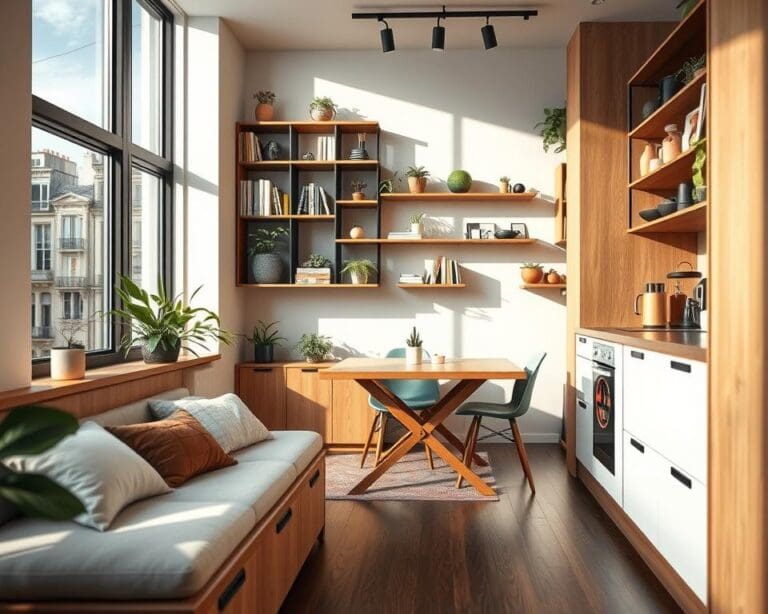
Built-in storage pays off in function and value. Where possible use alcove shelving or fitted cupboards to use odd spaces. For rentals, opt for freestanding units that mimic bespoke joinery so you can remove them later. Consider bespoke joinery from Wren Kitchens or local independent workshops for a polished finish when you own the property.
Select the right product categories to match your needs. Beds with storage like IKEA MALM or BRIMNES, or ottoman divans, free up floor space. Modular shelving such as IKEA KALLAX or IVAR and metal options from Bisley work well for home offices. For kitchen organisation, wall rails from John Lewis, under‑sink pull‑outs and slimline trolleys from Lakeland are practical choices.
For living areas choose compact seating and tables that multitask. Sofa-beds from Cuckooland or Habitat and nesting tables from Oliver Bonas keep bulk down. Bathroom towers from Dunelm or B&Q, magnetic medicine cabinets and over‑toilet shelves reclaim counter space in small bathrooms.
Think about entrances and utility areas. Slim console tables with drawers, shoe cabinets and wall hooks give order to busy hallways. Habitat and Etsy sellers offer attractive organisers that fit narrow spaces without crowding them.
If you need professional help, hire a local joiner or a professional organiser to create a tailored system. Use TrustMark-registered tradespeople, Gas Safe engineers and NICEIC electricians for any fixed installations. For shopping, mix high‑street stores such as IKEA, John Lewis & Partners, Argos and Wayfair UK with higher‑end options like Made.com or Heal’s to cover different budgets.
Finally, follow a practical checklist: measure twice and buy once, favour multifunctional pieces, and factor installation and maintenance costs into your budget. By combining spatial planning, considered finishes and the best storage products UK has to offer, you can achieve durable storage solutions for small homes and a well‑organised small home that suits your lifestyle.