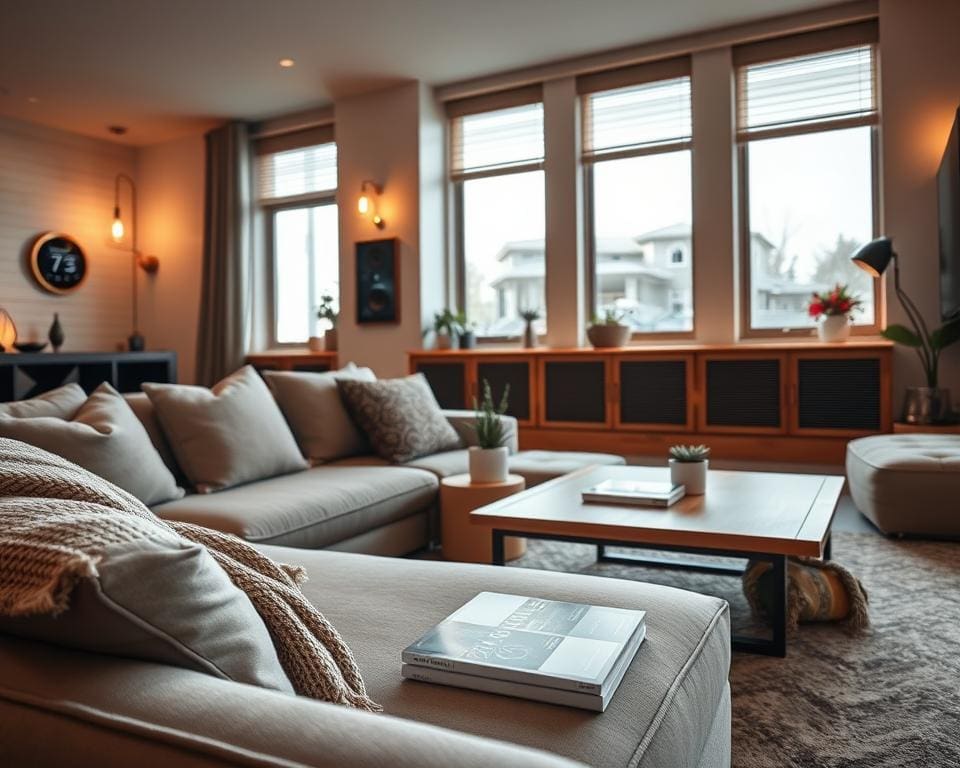
When you want to improve home comfort and functionality, start by defining what matters most in your home. For most people in the United Kingdom this means reducing drafts and noise, achieving steadier indoor temperatures and making daily tasks easier.
This guide looks at both low-cost measures and larger investments. Practical, high-impact options include loft insulation, draught-proofing and programmable thermostats. Bigger projects such as double glazing or a heating system overhaul deliver lasting benefits but require more planning.
Key outcomes you can expect are lower energy bills, better indoor air quality and improved accessibility. Recommendations align with guidance from the Energy Saving Trust and building-regulation principles such as Part L, and reflect consumer advice from Which? and Citizens Advice on prioritising cost-effective works.
To choose the right mix of comfortable home improvements and home functionality upgrades, consider your property type—period terrace, semi, detached or flat—and your budget. Begin with measures that increase living comfort UK for the least expense, then plan larger refurbishments.
Practical next steps are to arrange an EPC assessment, consult a heating engineer about your boiler and controls, and obtain quotes from tradespeople for glazing and insulation. Check schemes such as ECO or local authority grants that can reduce upfront costs and help you achieve a more comfortable home.
home upgrades comfort: essential improvements for everyday living
Small changes can make your home feel warmer, quieter and easier to use. Focus on measures that cut heat loss, tame outside noise and give you simple control over temperature. Below are practical upgrades that deliver clear comfort gains and often save energy bills.
You can reduce drafts and noise by improving insulation and glazing. Loft insulation, laid as mineral wool or blown fibres, and cavity wall insulation are among the most cost-effective measures for UK homes. For solid walls, internal or external wall insulation raises thermal performance and lowers U-values significantly.
Choose double glazing or secondary glazing depending on your property. UPVC or aluminium double-glazed sealed units cut heat loss and provide strong double glazing noise reduction. For period homes with planning limits, secondary glazing keeps character while improving comfort. Acoustic laminate glass, low-E coatings and argon fills boost performance; check Pilkington data and guidance from the Energy Saving Trust for specifics.
Draught-proofing gives immediate comfort gains. Fit letterbox brushes, door sweeps and window seals to stop cold air entering. Keep ventilation in mind, especially in kitchens and bathrooms, to avoid condensation. Extract fans or trickle vents maintain air quality while you benefit from reduced draughts.
How insulation and double glazing reduce drafts and noise
Loft insulation typically cuts heat loss through the roof when increased to recommended depths. Cavity wall fill reduces transmission through walls, often paying back quickly in lower heating bills. Solid-wall insulation is pricier but can transform thermal comfort where cavity walls are absent.
Double glazing noise reduction comes from better seals and glass choices rather than frame material alone. Acoustic laminate layers and gas fills lower external noise. Secondary glazing adds a buffer for listed or older windows where full replacement may not be possible.
Smart heating controls and thermostats for consistent comfort
Smart thermostats UK such as Nest, Hive and tado° give you control from an app. Programmable room thermostats and TRVs let you zone rooms and set schedules. Smart TRVs can further refine temperatures on a per-radiator basis to avoid overheating unused rooms.
When pairing controls with boilers or heat pumps, get the right commissioning. Combi, system and conventional boilers have different wiring and control needs. Use a Gas Safe registered engineer for boilers and an MCS-accredited installer for heat pumps to ensure correct setup and efficiency.
Remote access, learning modes and geofencing help preheat your home just before you arrive. Which? testing shows well-configured systems save energy while keeping rooms comfortable. Clear scheduling reduces wasted heating and keeps temperatures stable.
Flooring upgrades that improve warmth and underfoot comfort
Your choice of flooring affects how warm rooms feel. Carpet with a good underlay gives instant underfoot warmth. Engineered wood with insulating underlay looks smart and cuts heat loss. Resilient vinyl with thermal backing is a practical option for utility areas.
Underfloor heating works well with low surface-temperature finishes. Electric mats suit small rooms and targeted zones, while water-based systems fit whole-house refurbishments and pair well with heat pumps. Nu-Heat supplies a range of systems and installers can advise on warm-floor build-ups to prevent heat loss through subfloors.
Consider floor height changes and insulation beneath timber or screed to lock in performance. Balance upfront cost against running cost and daily comfort when choosing between underfloor heating and traditional radiators.
Practical kitchen upgrades to boost functionality and flow
Start with a clear plan that focuses on how you use the room each day. Small changes can transform chores into quick, pleasant tasks. You will find that deliberate choices around layout, storage and fittings make the kitchen more efficient and enjoyable.
Optimising layout: work triangles and storage solutions
The classic work triangle links sink, hob and fridge to reduce unnecessary movement. For islands and open-plan kitchens adapt that triangle into zones for prep, cook and clean. This approach helps you optimise kitchen layout UK to suit family routines and entertaining.
Think vertical when space is tight. Tall units and pull-out larders make the most of height. Corner carousels, deep drawers for pots and pan organisers keep essentials within reach. Integrated appliance garages hide small appliances and free up worktop space.
Choose soft-close drawers and adjustable shelving for longevity and accessible ergonomics. Suppliers such as Howdens and Wickes offer planning tools and fittings that support practical kitchen storage solutions from the outset.
Appliance selection: energy-efficient and space-saving choices
Pick appliances with clear energy ratings and sensible kWh figures. A-rated or the current UK energy-labelled models help lower running costs. Right-sizing prevents wasted capacity, so match fridge-freezer and dishwasher sizes to your household needs.
For small kitchens, consider slimline dishwashers, integrated washer-dryers and combination ovens. Compact induction hobs and microwave-convection ovens save space without limiting function. Brands such as Bosch, Samsung, Hotpoint and Beko offer smart, reliable options across price ranges.
Smart features give remote control and monitoring that can reduce waste. Fit an efficient cooker hood to remove steam and odours, particularly if you plan to improve insulation and airtightness.
Lighting and surfaces that improve usability and cleaning
Layer lighting to support tasks and mood. Under-cabinet LED strips provide bright worktop light. Recessed ceiling fittings give even coverage and pendant lights help define islands.
Select worktops with hygiene and maintenance in mind. Quartz, solid-surface and treated timber each offer different benefits for heat resistance and repair. Aim for easy-clean kitchen surfaces that resist staining and food bacteria.
Choose non-slip, easy-clean floors such as vinyl or porcelain tiles. Use splashbacks like glass panels or large-format grout-free tiles for simple wipe-downs. Seal joints and leave appliance fronts accessible to keep cleaning quick and effective.
Bathroom and utility upgrades that enhance convenience
You can make bathrooms and utility spaces more usable without a full renovation. Focus on practical changes that boost safety, reduce moisture issues and save time on daily chores. Small adjustments often deliver the biggest gains in bathroom upgrades comfort and long-term convenience.
Walk-in showers improve access and give a modern feel. Choose level-access or low-threshold trays for easy entry, anti-slip surfaces for safety and frameless screens to open sightlines. These features underline walk-in shower benefits for ageing in place and for families with varied mobility needs.
Thermostatic mixer valves keep water temperature steady when someone else uses water elsewhere in the house. Fit products that meet plumbing standards to cut the risk of scalding. Look for recognised ranges from Mira Showers or Aqualisa for proven reliability and straightforward installation of thermostatic shower valves UK.
Accessible fittings make everyday use simpler. Install grab rails, folding seats and riser rails, and choose minimal-threshold trays where possible. Ensure components meet British Standards and are fitted by a competent installer for long-term safety and comfort.
Storage transforms how your bathroom functions. Use recessed shower niches, mirrored medicine cabinets and vanity units with drawers to keep surfaces clear. Tall linen cabinets help you store towels and cleaning supplies without cluttering the floor space.
Ventilation is vital to prevent damp and mould. Mechanical extract ventilation to Building Regulations standards removes excess moisture. Consider humidity-sensing extractors or MVHR in whole-house retrofits to control humidity quietly and efficiently.
Choose moisture-resistant bathroom finishes in wet zones. Use cementitious backer boards, water-resistant plasterboard and tiles with waterproof grout. Select tile adhesives and sealants from well-known brands such as Ardex or Mapei to protect substrates and keep finishes intact.
Smart laundry solutions suit small homes and busy households. Front-loading washer-dryers, ventless heat-pump tumble dryers and slimline washing machines fit tight spaces while cutting energy use. Look at energy and water ratings before you buy compact laundry appliances to balance performance and bills.
App-controlled cycles and sensors optimise drying and reduce wasted energy. Brands like Miele, Bosch and Samsung offer models with smart features for the UK market. Use stackable units, integrated sinks with drainer units and built-in storage for detergents to streamline your utility layout and workflow.
Home tech and layout changes to maximise comfort and usability
You can lift home technology comfort by choosing an ecosystem that suits your needs. Apple HomeKit, Google Home and Amazon Alexa each control heating, lighting, security and appliances. Pick devices that work with Zigbee, Z‑Wave or Matter so they talk to one another and avoid silos.
Lighting control systems such as Philips Hue or Lutron bring real gains. Use smart dimming, schedules and presence sensors to create scenes that match daily routines. These controls save energy and make rooms feel more comfortable at different times of day.
Air quality and ventilation monitoring matters as much as heating. Smart CO2, VOC and humidity sensors can trigger ventilation or alarms to prevent mould and stale air. For smart home heating UK setups, link sensors to heating zones and smart TRVs to keep bedrooms and workspaces at the right temperature.
Layout changes and zoning and ergonomics go hand in hand. Open-plan living boosts light and sociability but can complicate heating control; consider glass screens, furniture placement or partial partitions to create clear zones while preserving flow. For home offices, prioritise desk height, seating and acoustic treatment, and add dedicated power and data points.
Security and convenience features—smart locks, video doorbells and automated blinds—add perceived comfort when installed correctly. Use accredited installers, follow secure account practices and check certifications like Gas Safe or NICEIC for relevant works. Start with low-cost, high-impact measures, then plan larger upgrades with a builder or architect and explore UK grants for insulation or heat pumps to reduce long-term costs.