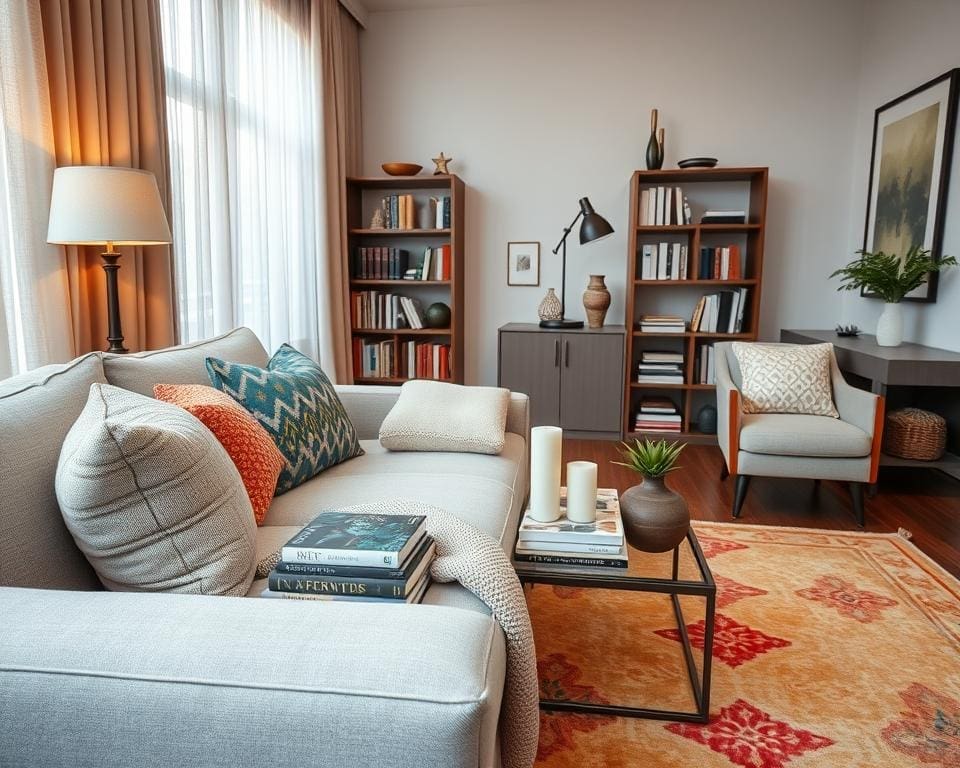
Accessories are the finishing touches that turn a house into your home. In this short introduction you will discover how home accessories decor can refresh a room without major expense or renovation.
Used well, stylish home accessories change mood, add texture and define zones. They help you experiment with colour, pattern and scale while improving comfort with throws and cushions, and functionality with trays, baskets and lamps.
This article is divided into four practical parts so you know what to expect. First, planning your look and choosing a cohesive style and colour palette. Second, the essential pieces and simple rules for layering. Third, professional home styling tips to lift any room. Fourth, actionable how-to steps you can use straight away.
You will find advice tailored to the UK market, including common sourcing options from John Lewis & Partners, Habitat and Next, as well as specialist retailers like Amara, Heals, Graham & Green and Made.com. Mixing high-street finds with investment pieces and independent boutiques or Etsy UK helps you create a personal, considered scheme.
This guide offers concise home styling tips so you can start decorating with accessories confidently. You will be guided through decisions rather than directed, making attainable improvements to your space.
Planning your look: choosing a cohesive style and colour palette
Before you buy accessories, take a moment to plan your look. A clear approach helps you identify personal style and makes room planning simpler. Start by defining the mood you want. That will guide choices from furniture to small touches.
Identify your personal style and mood
Use an interior style guide to recognise what appeals to you. Common styles include contemporary, Scandi, mid-century modern, farmhouse, industrial, eclectic and classic British. Note lines, materials and finishes: clean lines and light wood point to Scandi, while brass and marble hint at classic appeal.
Ask practical questions: which rooms do you use most, do you favour calm neutrals or bold colour, and which materials draw you in? Write three words that describe your ideal room, three colours you love and three materials to include. This quick exercise will help you identify personal style and narrow home style ideas.
Choose a harmonious colour palette
Think of a palette in three roles: base, supporting and accent colours. The base covers walls, floors and major furniture. Keep it subtle so the rest can sing. Supporting colours repeat in textiles and mid-scale pieces.
Accent colours give small, lively pops. Use cushions, vases and lampshades to introduce accent colours without repainting. Pick an analogous palette for calm cohesion or complementary colours for more drama. Aim for three to five colours to keep a harmonious colour scheme in place.
Test paint chips and fabric swatches in different light. Brands such as Farrow & Ball and Dulux offer samples you can view across the day. Try Laura Ashley or Sanderson fabric swatches on a cushion before committing.
Assess your space and lighting
Measure each room and sketch a scaled plan. That lets you measure space for accessories and see where items will sit. Mark circulation paths, focal points and likely accessory zones like shelves or mantels.
Assess room lighting at different times to understand lighting influence on decor. Note window direction and how daylight shifts. North-facing rooms need warmer hues to counter cooler light. South-facing rooms can carry brighter or cooler palettes.
Think about three lighting types: ambient ceiling lights, task lamps and accent lighting. Metallic accessories will reflect ambient light, while matte ceramics absorb it. Use baskets and trays to combine storage and style so your look stays practical as well as pretty.
home accessories decor: essential pieces and how to layer them
Accessories are the simplest way to change a room’s mood. Statement cushions and decorative throws soften hard lines and invite you to sit down. Choose wool, lambswool or cashmere blends for winter warmth, linen for a relaxed summer feel and velvet when you want a touch of luxury. Look at John Lewis & Partners and Anthropologie for ready ideas.
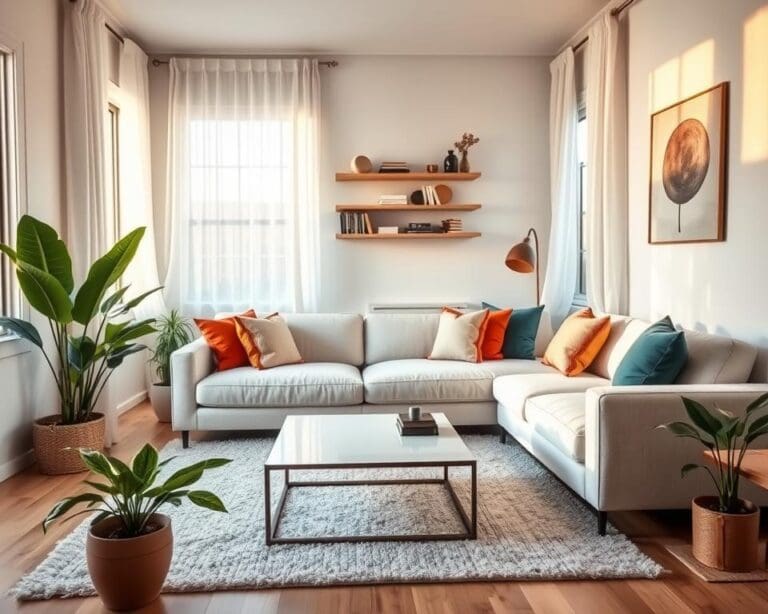
Mix solid cushions with patterned and textured cushions to add interest without chaos. Use the 60-30-10 rule across textiles: a dominant neutral, a supporting mid-tone and an accent colour. For layout, try three cushions on a two-seater and five on a three-seater. Combine sizes such as 50x50cm and 40x60cm and practise layering cushions with a folded decorative throw over an arm or footstool.
Choose covers that are removable for easy laundering and treat delicate fabrics with a suitable stain-protecting spray. For family homes, pick hard-wearing weaves and faux fur or cotton options that tolerate everyday use.
Rugs anchor furniture groups and define open-plan layouts. Start with rug sizes that suit your space: 160x230cm or 200x300cm for small living areas and 240x330cm for larger rooms. Place the front legs of seating on the rug for cohesion, or put all furniture on the rug in bigger rooms. Runners work well in hallways.
When choosing rugs, consider wool for durability, jute for texture and polypropylene for stain resistance. Use zone rugs to separate dining or seating areas. Layer rugs by placing a flatweave beneath a smaller, textured piece to add depth and interest.
Pay attention to rug textures and rug placement. Underlay prevents slipping and extends life. Vacuum regularly and arrange professional cleaning for deep stains. Pick patterned rugs in high-traffic zones to disguise wear and pet hair.
Artwork and mirrors help you create focal points and give personality to bare walls. Mix original pieces with prints from Saatchi Art or Etsy UK, and include local gallery finds for unique character. Choose subject matter to suit the room: landscapes calm, abstracts energise.
For artwork placement, aim to hang the centre at roughly 150cm from the floor. Keep 5–10cm between frames when grouping and use consistent mats or frames to pull a display together. For mirror placement, face mirrors towards windows to bounce natural light, or position one at the end of a corridor to lengthen the view.
Plan a gallery wall on the floor first and use paper templates to test layouts. Add three-dimensional pieces like small shelves or a clock for variety. These gallery wall tips make installation quicker and more balanced.
Decorative objects complete a considered vignette. Use styling trays to group items on coffee tables and sideboards so displays feel curated. Choose coffee table books with attractive covers to add height and to serve as platforms for smaller sculptures or candles.
Vary scale and texture when you arrange ceramics, glass vases and brass candlesticks. Add fresh or dried botanicals from local nurseries or Bloom & Wild to bring life to the scene. Edit displays regularly, rotate seasonal pieces and keep surfaces uncluttered for purposeful styling.
Follow these simple rules and your accessories will look intentional. Small changes such as layering cushions, choosing rugs that fit the room and refining artwork placement will have a big impact on how your home looks and feels.
Practical tips for styling accessories like a pro
Start small and edit often. Choose one zone—such as a mantel, coffee table or shelf—and practise styling accessories tips there before changing the whole room. Place a large anchor piece first, then step back and remove anything that feels cluttered. Regular editing keeps the space intentional and easy to live with.
Use a three-layer approach to add depth. Anchor with large pieces like a rug or floor lamp, add medium elements such as books and vases, then finish with small accents like candles or small sculptures. This layering is one of the core professional styling techniques that makes displays look balanced and purposeful.
Balance and rhythm matter. Group in odd numbers (3 or 5), vary heights and materials, and repeat colours or textures around the room for cohesion. Combine function-first styling with these styling rules: choose trays, baskets and coasters that improve usability while also enhancing the look.
Be budget-savvy and finish with smart lighting and maintenance. Upcycle thrifted frames, paint jars to create vases, and invest in one statement item such as a large mirror or rug. Fit lamps with warm 2700–3000K bulbs and consider picture lights for artwork. Use diffusers or scented candles from Jo Malone or Neom for a welcoming scent. Dust regularly, rotate cushions, follow cleaning instructions and use coasters to protect surfaces. Finally, follow a simple checklist: assess style and light, choose a palette, measure, buy key pieces, style in layers, edit and maintain—so your accessorising home approach feels confident and sustainable.