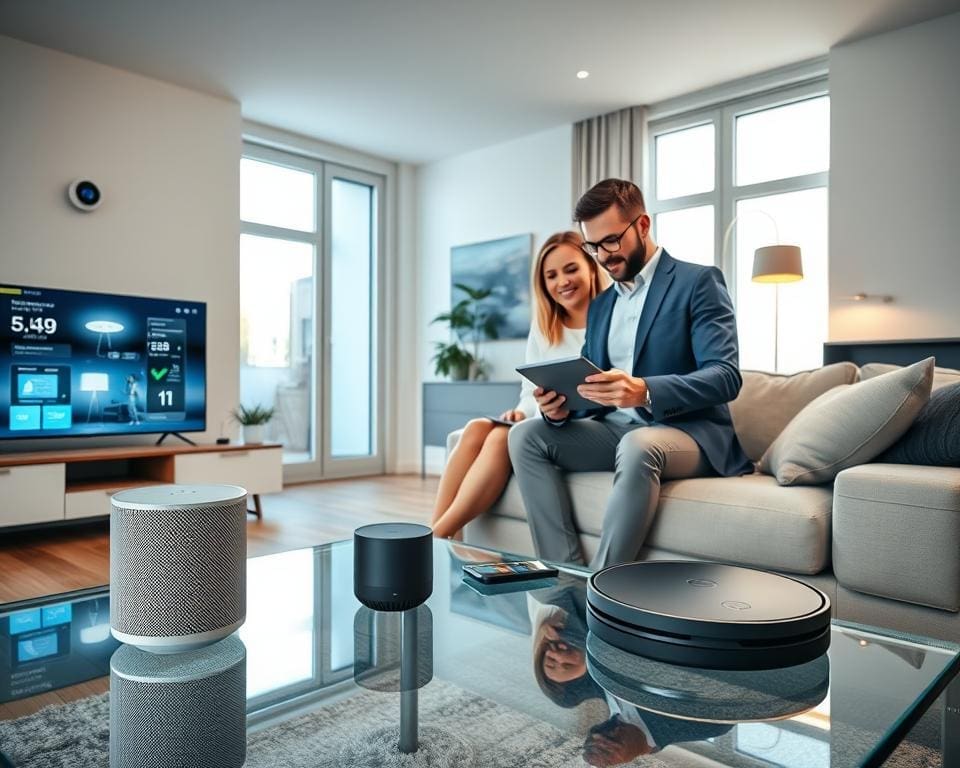
Smart home technology means internet‑connected devices and systems that automate, monitor or control household functions such as lighting, heating, security, entertainment and appliances. In the UK this often includes smart speakers, smart thermostats from Nest or Hive, and connected security kits from Ring and Arlo.
Adoption is rising as broadband penetration improves and mobile coverage becomes more reliable across towns and rural areas. Ofcom data shows higher home internet speeds and increased confidence in online services, while industry figures from Statista and the Consumer Technology Association report year‑on‑year growth in smart speaker ownership and smart thermostat installations.
The market picture reflects both scale and momentum. Global device shipments and UK revenues for smart homes UK have climbed steadily, driven by falling device prices and broader retail availability. Home automation growth is visible in new housing, where developers and landlords list connected features as selling points.
Your interest in connected home trends likely comes from practical questions: will these systems save you money, keep your family safe, or help you age in place? This article will help you weigh the benefits, choose devices, and plan smart home adoption safely and effectively.
Why homeowners are adopting smart home technology
More people in the UK are fitting connected devices because they make daily life simpler and more responsive. You can tie lighting, heating and security into routines that react to time, location or events. The smart home benefits reach beyond gadgets; they reshape how you organise mornings, evenings and work-from-home days.
Greater convenience and automation for daily routines
Smart lighting from Philips Hue or IKEA TRÅDFRI and smart plugs let you automate morning and evening scenes. You can switch on lights, start a kettle and raise blinds from one app or with a voice command from Amazon Alexa or Google Assistant.
Use scheduling, geofencing and presence detection to trigger actions when you leave or arrive. Integration with calendar apps and Alexa routines or Google Home automations can combine news briefings, thermostat adjustments and lighting changes so your day begins without manual steps.
Enhanced security and remote monitoring
Smart cameras, video doorbells like Ring or Nest Hello, motion sensors and smart locks from August or Yale let you see and control access in real time. Instant alerts on your smartphone mean you can respond to visitors or unusual activity quickly.
Cloud or local storage options keep recorded evidence, while two-factor authentication and emergency contact features strengthen protection. Some UK insurers may discount premiums for specified smart security systems that offer deterrence and recorded proof.
Energy efficiency and cost savings
Smart thermostats such as Google Nest, Hive and Tado learn heating patterns and let you control temperatures from your phone. Zoned heating with smart radiator valves reduces waste by heating only the rooms you use.
Smart meters, energy-monitoring plugs and companion apps show real-time consumption so you can spot high-usage appliances. These tools support smart thermostats savings and lower bills, while cutting your carbon footprint in line with UK incentives for efficient heating controls.
Improved accessibility and support for ageing in place
Voice assistants and simple interfaces give hands-free control for people with mobility or dexterity limits. Assistive technology for elderly users includes telecare links, fall-detection sensors, medication reminders and remote monitoring that help maintain independence.
UK health and social care services and charities increasingly adopt consumer devices in care plans. Manufacturers design accessible controls and larger interfaces so older adults can use smart home benefits without complex setups.
Market forces and technological advances driving growth
The smart home market drivers shaping adoption are a mix of price, connectivity and platform momentum. You will find that lower prices, better networks and persuasive voice interfaces make upgrades easier to justify. These trends work together to move smart tech from early adopters into mainstream households.
Falling device costs and wider availability
Economies of scale and competition from brands such as Xiaomi, TP-Link and IKEA have pushed IoT device affordability down. Mass production has reduced the cost of sensors, hubs and appliances so entry‑level kits sit within many household budgets.
Retailers like Argos, Currys PC World and John Lewis, plus marketplaces such as Amazon and eBay, offer both budget DIY devices and paid installation options. Subscription services that bundle hardware with support make it simpler to start without a large upfront spend.
Better connectivity and interoperability
Advances in wireless standards — Wi‑Fi 6, Bluetooth Low Energy, Zigbee and Z‑Wave — improve reliability and extend battery life for devices. The new Matter standard, backed by Amazon, Google and Apple, aims to simplify cross‑brand compatibility for users.
Mesh Wi‑Fi systems like Google Nest Wi‑Fi and Netgear Orbi, together with faster broadband rollout across the UK, reduce dead zones and support many devices at once. These improvements strengthen smart home connectivity and lessen setup friction for your home.
Platform ecosystems and voice assistants
Platform ecosystems from Amazon, Google and Apple create coherent control models that encourage more device purchases. Voice assistant ecosystems offer routines, skill stores and third‑party integrations that expand what your devices can do.
HomeKit compatibility or ecosystem exclusives act as choice drivers. A single, well‑managed hub or assistant can make a range of devices feel seamless, which increases the appeal of adding more smart tech to your home.
Privacy, regulation and consumer trust
Data privacy smart homes remain a top concern for consumers worried about cameras, audio recordings and data collection. High‑profile security incidents have prompted manufacturers to act and regulators to propose clearer standards.
The UK’s data protection rules, aligned with GDPR, plus proposed IoT security requirements and the government’s Code of Practice for Consumer IoT Security, push vendors to improve practices. You will see more end‑to‑end encryption, local processing and clearer privacy policies as companies work to build trust.
Transparent practices, independent security certification and insurer or industry trust marks make it easier for you to assess products. These reforms support uptake by addressing the very issues that can slow adoption.
How to adopt smart home technology safely and effectively
Start by auditing your needs: decide whether security, energy savings, convenience or accessibility matter most. Pick one or two clear use cases to begin with, such as a smart thermostat and a camera, rather than buying many devices at once. This approach helps you see real value quickly and keeps costs contained when assessing how to adopt smart home technology.
Map your home network and Wi‑Fi coverage before purchase. Identify where devices will sit and whether mesh Wi‑Fi or a dedicated VLAN for IoT is needed. Choose an ecosystem—Amazon Alexa, Google Home, Apple HomeKit or Matter‑compatible kit—to reduce compatibility issues, and follow smart home installation advice to place hubs and repeaters for reliable performance.
When choosing devices and vendors, favour reputable brands that publish firmware updates and clear privacy policies: Google Nest, Amazon Ring, Hive, Philips Hue, Tado and Yale are good starting points, while IKEA and TP‑Link offer budget options. Check for Matter, Zigbee or Z‑Wave support and verify UK power, warranty and support. Read independent reviews and consult Which? and trusted tech outlets before buying.
Practice smart home security tips from the outset: change default passwords, enable two‑factor authentication, keep firmware updated and segment IoT devices on a guest network. Disable unused features, review microphone and camera permissions, and prefer local storage or trusted cloud providers with strong encryption. Conduct periodic audits to remove unused devices and reduce your attack surface.
Decide whether to DIY or hire certified installers for complex jobs like wired heating or alarm integration; several UK companies provide professional installation and monitoring. Plan for outages with battery backups for hubs and offline fallback modes, keep an inventory of devices and credentials, and schedule regular checks. For costs, compare entry‑level setups to whole‑house systems, estimate energy savings and possible insurance discounts, and start with high‑impact items to spread investment over time.
Immediate next steps: assess your needs, check broadband and Wi‑Fi, pick an ecosystem, buy one starter device, secure accounts and create a simple maintenance schedule. These practical moves give you a safe, manageable route to adopting smart home technology while protecting privacy and maximising long‑term value.