This guide helps you choose window treatments that balance privacy and natural light while improving comfort and style in UK homes. Whether you live in a terraced house facing a busy street or an apartment with close neighbours, the right window coverings for privacy will make rooms feel more secure and welcoming.
Effective privacy window treatments do more than screen views. They control daylight and glare, reduce heat loss in winter and solar gain in summer, dampen external noise and lift interior design. These benefits are especially relevant in the UK, where seasonal light changes and close urban layouts shape how you use windows.
Across the article you will find clear comparisons of blinds, curtains, shades and shutters, plus practical tips on layering and fabric choices, and straightforward advice on installation, maintenance and budgeting. The aim is to give actionable guidance you can apply room by room, from sash and casement windows to uPVC and bay configurations.
This piece is written for homeowners and renters in the United Kingdom who want to improve daylight management and privacy. As you read, consider your priorities — privacy, light, insulation, style and budget — so you can pick the best window treatments UK that suit your needs.
Understanding window treatments: privacy and light control explained
Choosing the right window coverings means balancing daylight management with UK home privacy. You need solutions that let light in when you want it and block sightlines when you do not. This section guides you through the main considerations so you can make choices that suit your home and lifestyle.
Why privacy and light control matter in UK homes
Many UK homes sit close to neighbours or face busy streets, so privacy is a daily concern. Ground-floor rooms and terraces often need stronger screening to prevent unwanted views.
Seasonal daylight shifts affect choices. Long summer evenings may call for shading to reduce glare. Short winter days make maximising natural light a priority to lift mood and reduce lighting costs.
Bedrooms and bathrooms need strict privacy and light-blocking for comfort and sleep quality. Good treatments can cut draughts and lower heating bills, with options like cellular shades or lined curtains adding insulation.
Key factors to consider when choosing treatments
Decide the level of privacy you require: full blackout, daytime privacy or adjustable privacy using slats or louvers. Match that need to light control goals, whether you want soft diffusion or total blackout for sleeping or screen use.
Material and construction matter. Consider fabrics, aluminium or timber slats, honeycomb cell structures and thermal linings. Each affects insulation, durability and light filtering.
- Window type and size: sash, casement, bay windows and skylights need tailored solutions and careful mounting choices.
- Maintenance and safety: pick cordless or motorised options for homes with children and pets, and choose washable fabrics where grease or moisture is an issue.
- Budget and lifespan: weigh upfront cost against durability and energy savings to find good long-term value.
How room function influences your choice
Start with the room’s purpose before you pick a style. Bedrooms benefit from blackout blinds or lined curtains for sleep and warmth. Living rooms need flexible solutions that blend daylight management with privacy.
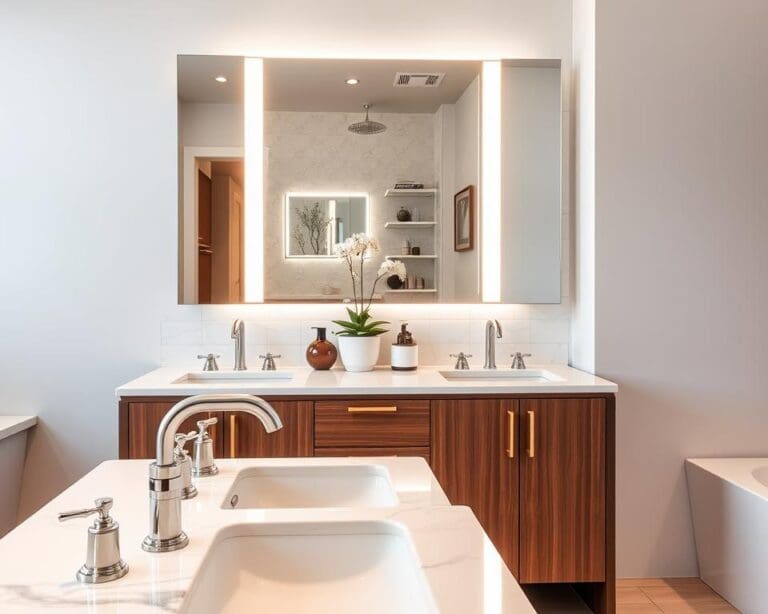
Kitchens require moisture-resistant, easy-clean options like faux-wood venetians or PVC roller blinds. Bathrooms often combine frosted glass with waterproof blinds or shutters to protect privacy and resist humidity.
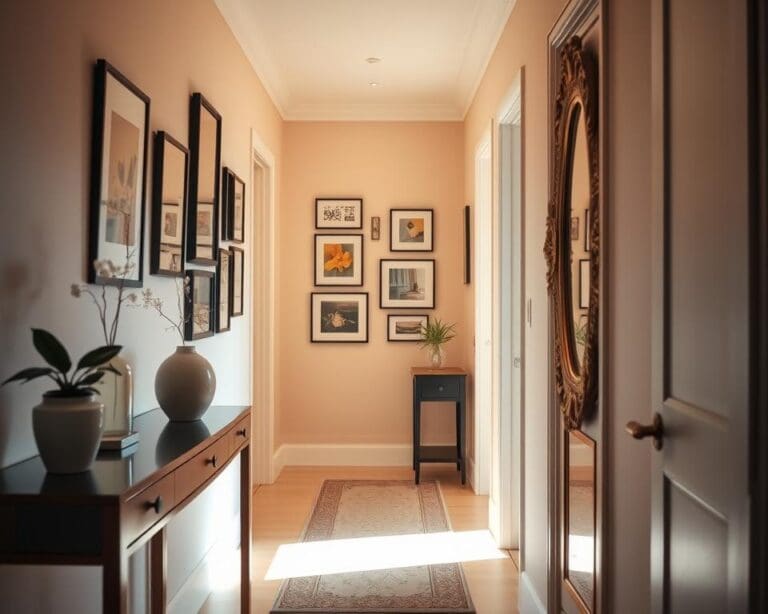
For home offices, control glare and maintain even light for screens with venetian blinds, cellular shades or blackout rollers. Hallways and stairwells can use slim blinds or frosted films to preserve privacy without heavy fabric.
Comparing popular window treatment types for privacy and light
Choosing the right window treatment means balancing light, privacy and style. Below you will find clear, practical comparisons of common options so you can decide what suits each room in your home.
Blinds: Venetian, vertical and roller blinds — pros and cons
Venetian blinds, whether aluminium, timber or faux wood, give precise control of light through adjustable slats. Aluminium types are easy to clean and suit kitchens and modern interiors. Timber offers a warm look for living rooms but can warp in humid rooms.
Vertical blinds work well for patio doors and wide openings because they draw neatly to one side. They control glare and privacy but can look dated and are less suited to small windows.
Roller blinds come in many fabrics, from translucent to blackout, and score highly for a neat, minimal look. You should weigh roller blinds privacy against slatted options if you want partial light control without raising the blind. For child and pet safety choose cordless, chain tensioners or motorised systems to meet UK standards.
Look for ranges from Hillarys, John Lewis and Dunelm when comparing prices and fabrics.
Curtains and drapes: fabric weights and lining options
Lightweight sheers give daytime privacy while allowing diffuse light to brighten a room. Medium-weight curtains offer a good balance of privacy and insulation.
Heavyweight drapes block sightlines, reduce noise and improve thermal performance. Thermal linings, interlining or PVC-backed options boost energy efficiency and can create effective blackout performance for bedrooms.
Consider headings such as pencil or pinch pleat for fullness, plus stack-back measurements so curtains do not block glass. For made-to-measure fabrics visit Laura Ashley or specialist curtain-makers to match style and practicality. Care varies by fabric; many need dry cleaning while some cotton blends are machine-washable.
Shades: Roman, cellular and blackout options
Roman shades fold into soft pleats and add a decorative, tailored finish. They work well in living areas and bedrooms where aesthetics matter. You should weigh Roman blinds pros and cons: smart looks against moderate insulation unless well lined.
Cellular shades, or honeycomb blinds, excel at thermal performance because air pockets trap heat. In single, double or triple-cell formats they improve insulation and privacy. Top-down/bottom-up designs give extra flexibility for light control, a feature often sought in the cellular shades UK market.
Blackout versions of roller or cellular shades deliver full light blocking for bedrooms and media rooms. Shades are typically easy to clean and fit slim sash windows with minimal visual bulk.
Shutters and fixed screens: durability and privacy performance
Interior shutters in wood, MDF or composite offer robust privacy and long life. Adjustable louvers give strong control over light, while shutters for privacy remain a premium option that can add value to period and modern properties.
Fixed external screens help at ground level or on balconies by cutting solar gain before it reaches the glass. Choose weatherproof materials for longevity.
For moisture-prone rooms select composite or PVC alternatives rather than solid timber. Shutters cost more upfront than curtains or blinds but need little maintenance and often pay back through improved thermal performance.
If you want more on how windows and frames affect privacy, light and energy efficiency, see this guide from Topvivo on double glazing, security and regulations.
Practical tips for maximising privacy without sacrificing natural light
Use layered approaches to get the best of both worlds: daytime screening with soft light and full privacy after dark. Small changes to fabrics, fittings and placement make a noticeable difference to how you maximise privacy natural light in each room.
Layering treatments: combining blinds and curtains
Pair a translucent blind or sheer with a heavier outer layer. For example, fit a roller sunscreen blind for glare control and add lined curtains to draw at night. Top-down/bottom-up cellular blinds let you admit light from the top while keeping the lower area private.
Install the blind in the reveal and the curtain track above the reveal to avoid gaps and create a neat stack-back. Layering window treatments gives flexibility, improves insulation and reduces noise without blocking daylight completely.
Choosing fabrics and finishes to diffuse light
Pick voile or lightweight linens to soften daylight and preserve daytime privacy. Translucent sunscreen fabrics filter glare and protect from UV while keeping sightlines. Test fabric samples at different times of day to see how they perform in your room.
Lighter colours reflect more light into the space, while textured weaves scatter light gently. Choose matte or textured finishes to avoid harsh reflections and opt for UV-stable fabrics to limit fading. These diffuse light fabrics will help you balance comfort and view.
Placement and mounting considerations for optimal coverage
Decide between reveal-fit and face-fit based on how much light bleed you can accept. A face-fit with adequate overlap reduces gaps and improves privacy. When measuring, extend tracks or poles at least 15–20cm beyond the frame so curtains clear the window fully.
Consider side channels or pelmets for near-blackout performance and top-down/bottom-up options for sash windows. Secure cords and fit child-safety devices, or choose motorised solutions for high or hard-to-reach windows when you mount window treatments to combine safety with convenience.
Installation, maintenance and budgeting for window treatments
Accurate measuring is the first step to a tidy window treatment installation. Measure reveal depth, window width and height, and allow extra for fixings. For shutters, bay windows or angled skylights, use made-to-measure services or a professional fitter to avoid gaps and ensure proper sealing.
Decide early whether you will DIY or hire a pro. Roller blinds and simple curtains are often straightforward for DIY fitting window treatments, but bespoke shutters, external screens and complex fittings usually need professional installation. A skilled fitter guarantees alignment and better light control.
Regular maintenance keeps coverings looking and working well. Dust blinds with a soft cloth or vacuum brush, follow fabric care labels for washing or dry-cleaning curtains, and wipe composite shutters with a damp cloth and mild detergent. Check cords, mechanisms and fixings periodically and replace frayed cords to maintain safety.
Plan your budget with realistic price ranges: basic roller blinds and simple curtains from around £15–£80 per window, mid-range made-to-measure blinds and lined curtains £80–£300, and premium shutters or bespoke treatments £300+ per window. For budget window coverings UK, choose standard sizes, ready-made curtains for small windows, or pair an affordable blind with quality curtains. Look for warranties and aftercare from retailers such as John Lewis, Hillarys and Dunelm, and get multiple quotes to compare costs and service.
Consider longevity and return on investment when you spend. Cheap roller blinds may last a few years, while shutters and high-quality blinds can endure for decades and cut heating bills when you choose thermal or cellular options. Combine in-person fabric samples with professional measuring to ensure your maintenance blinds curtains and fitting window treatments deliver the right balance of privacy, light and style for your home.