When you shop for dining chairs, comfort matters as much as style. The most comfortable dining chairs let you linger over long family meals, work at your table without fuss and host guests without worrying about sore backs. You’ll find that comfortable dining seating can transform a dining area into a flexible, everyday living space.
Comfort is partly subjective, but there are clear, measurable features to check. Seat height, seat depth, lumbar support and foam density all affect dining chair comfort. This guide focuses on practical comfort factors, common chair types and the materials you’ll see across retailers such as John Lewis, Habitat, La Redoute, Made.com and Heal’s.
Bear in mind that price does not always equal comfort. Thoughtful design and suitable materials often matter more than a designer label. Consider how you use your table — daily family dinners demand different qualities from occasional entertaining — and choose chairs to match those patterns.
In the sections that follow you will learn how to assess dining chair comfort, which chair types usually perform best, how to match chairs to your space and how maintenance and simple accessories can prolong comfort and lifespan. By the end you’ll know how to pick the best dining chairs UK shoppers can enjoy for years.
Understanding comfort in dining chairs: what to look for
Comfort comes from a mix of correct proportions, supportive shaping and suitable materials. Before you buy, check the dining chair dimensions so the seat fits your table and your body. Small changes in seat depth or height can turn a pleasant chair into one you avoid.
Seat depth, width and height explained
Seat height in the UK commonly ranges from 43cm to 48cm. Aim for 20–30cm clearance between the top of the seat and the underside of your table apron for knee room.
Seat depth works best between 38cm and 45cm so your thighs get support without pressure behind the knees. Seat width of 45cm to 55cm suits most adults. Measure your table and space per diner before you buy.
Back support and lumbar considerations
Your lower back benefits from a backrest with a gentle S-curve. Chairs described as lumbar support chairs often include subtle shaping that reduces strain during long meals.
High-back designs help when you want upper-back and neck support. If you have chronic back pain, try a chair with explicit lumbar shaping or bring a small lumbar cushion for extra support.
Cushioning, foam density and padding types
Foam density dining chairs use higher-density foam to keep their shape longer. Look for densities around 30–45 kg/m3 for lasting support and resilience.
A layered build, with a firmer foam core and a softer top layer, balances support with initial comfort. Webbing or serpentine springs under the padding adds durability compared with padding placed directly on a hard base.
Armrests, ergonomics and posture
Armrests relieve shoulder load and help you rise from the chair. Ideal armrest height is roughly 20–25cm above the seat. Check that armchairs will still tuck under your table if you need them to.
A slight recline of about 95–105 degrees between seat and back is kinder to your posture than a perfectly upright angle, especially for longer dinners.
Materials and breathability for long meals
Choose breathable chair materials for comfort during extended use. Natural fabrics such as cotton, linen and wool blends allow air to circulate and suit the UK climate.
Leather and faux leather clean easily but can feel less breathable. Mesh-backed or ventilated designs boost airflow. Consider treated fabrics for stain resistance and hardwood frames like oak or beech for long-term strength.
Dining chairs: best types for comfort and style
Choosing the right dining chairs influences both comfort and style in your dining space. Think about how long you sit, the look you want and how the chairs will pair with your table. For guidance on matching chairs to table materials and designs, see this guide to elegant dining tables.
Upholstered chairs with padded seats
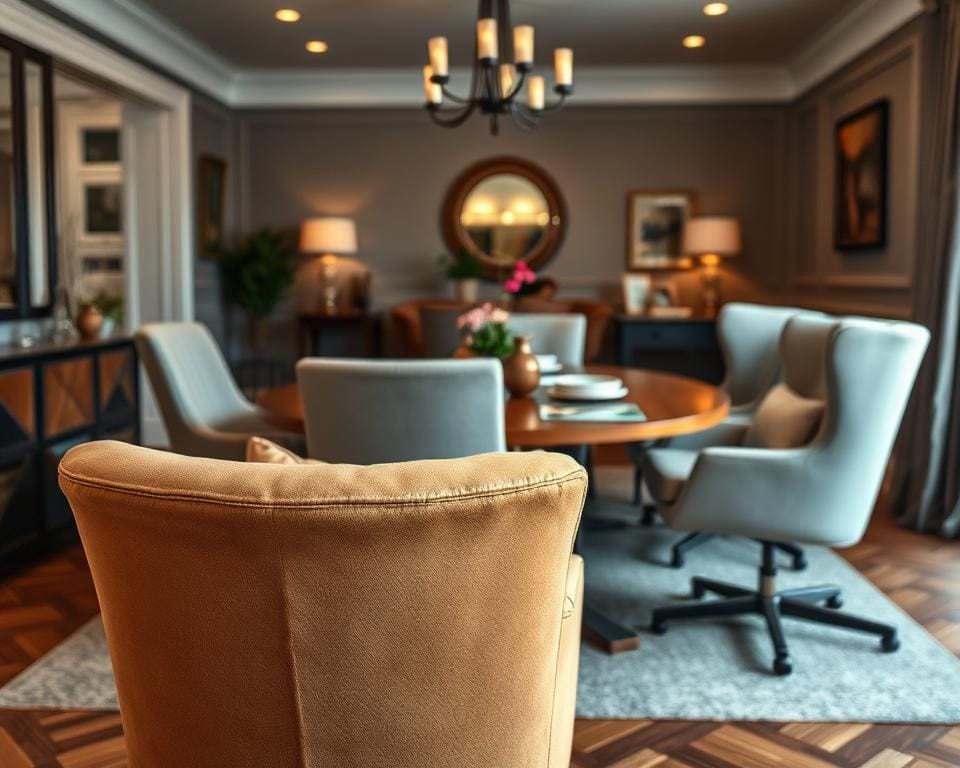
Upholstered dining chairs provide a plush seat that suits long family suppers or work-from-home dining tables. Fabrics and foam densities vary, so pick options with removable covers for easy washing. Brands such as John Lewis & Partners and Heal’s list models with HR foam cores and spring suspension for durability.
Wingback and high-back chairs for support
Wingback dining chairs and other high-back designs give stronger upper-back and neck support, which helps at long formal meals. They often read as more formal and need space because of their larger silhouettes. Velvet or woven wool blends add insulation and a tactile finish for cooler UK evenings.
Armchairs for extended seating
Armchairs for dining are ideal when guests sit for longer or when someone needs leverage to rise from the seat. Look for armrests slim enough to tuck under the table if you need a neater layout. Removable cushions make armchairs more versatile for occasional use.
Wooden and moulded chairs with ergonomic contours
Ergonomic wooden chairs, especially Scandinavian-inspired moulded plywood designs, can be surprisingly comfortable when shaped well. Oak and beech frames offer longevity and stability. A modest seat pad combined with a contoured back reduces pressure points without adding bulk.
Fabric, leather and faux-leather options compared
When weighing fabric vs leather dining chairs, consider breathability, maintenance and the room’s traffic. Fabric gives more colour and texture choices and feels cosy in cooler months. Leather wipes clean easily and develops character with age, though it is less breathable. Faux-leather has improved but may crack over years; performance fabrics give stain resistance for busy family dining rooms.
How to choose comfortable dining chairs for your space
Choosing the right chairs shapes how you use your dining room. Start by checking measurements, material performance and practical features. Small changes in size or finish can transform comfort and daily use.
Matching chair dimensions to your table
Measure your table height and apron clearance first. In the UK, standard table height is about 74–76cm, so aim for a seat-to-table gap of 25–30cm for elbow room. Use a dining chair dimensions table to compare seat height, depth and overall width before you buy.
Allow at least 60cm per person along the table length. Check chair width to confirm how many chairs will fit without crowding. If you plan to pair chairs with a bench, ensure chair backs do not clash with seated bench guests.
Selecting the right materials for your climate
Pick breathable fabrics or wool blends for year-round comfort in a temperate UK home. Conservatory dining areas or rooms with underfloor heating benefit from natural fibres that avoid trapping heat.
For coastal properties and pet-friendly homes, choose stain-resistant, salt-tolerant finishes. Teak and oak with a sealed finish resist humidity and clean easily. Look up the best materials for dining chairs UK when weighing durability and upkeep.
Testing chairs in-store and what to try
Always test dining chairs in store before committing. Sit for a minute or two to check seat depth, cushioning rebound and back support. Sit in the posture you use when eating to feel how a chair performs during a meal.
Bring a tape measure or place the chair beneath your table to confirm fit. Test armchairs for clearance and stability on your flooring. Ask staff about foam density, suspension type and Martindale rub count to judge long-term wear.
Considerations for families, elderly guests and accessibility
Families may favour wipeable faux-leather or removable washable covers for easy cleaning. Rounded edges and robust frames lower the risk of knocks and damage from lively children.
Elderly or mobility-impaired diners benefit from chairs with arms, slightly higher seat heights and firm cushioning to ease standing. Think about accessible dining seating needs such as space for wheelchair transfers and suitable armrest heights when planning your layout.
Maintenance, accessories and adjustments that improve comfort
To keep your dining chairs comfortable, regular dining chair maintenance is essential. Vacuum upholstered seats weekly and deal with spills according to the manufacturer’s instructions. Rotate chair use to prevent uneven wear and check joints and screws annually to avoid wobble. For leather, use a pH-neutral cleaner and conditioner and avoid prolonged sunlight to prevent drying and fading.
Simple accessories can immediately improve chair comfort. Invest in breathable dining chair cushions or memory foam chair pads with non-slip backing to lift sagging seats. Wedge cushions and lumbar rolls help posture at the table, while detachable arm pads add comfort to narrow-arm chairs. Slipcovers and removable upholstery make it easy to protect fabric and refresh the look without replacing the frame.
Small adjustments extend serviceable life and comfort. Replace compressed foam rather than discarding the whole chair; many local upholsterers in the UK can refoam or reupholster to restore support. Fit felt pads to protect floors and reduce noise, use anti-slip feet on hard surfaces, and add adjustable glides to level chairs on uneven floors. Keeping receipts and warranties, and buying from retailers with trial periods, helps you test comfort at home before committing.
When buying or caring for chairs, balance style with function. Prioritise ergonomics and correct dimensions, then choose finishes that suit your routine and chair care UK practices. With routine upkeep, the right dining chair cushions and modest upgrades, you can significantly improve chair comfort and extend the life of your dining set.