When you’re planning a bathroom refresh, one question keeps coming up: which bathroom vanity adds the most value? You want a clear answer that helps you balance cost and impact. This opening section explains why the vanity matters and what to expect from a sensible upgrade.
In the UK, surveyors and property advisers regularly place kitchen and bathroom improvements high on lists of return on investment. An updated vanity often changes a buyer’s view of the whole room, even if the tiles or lighting are modest. That means a thoughtful investment in a bathroom vanity can raise perceived quality and help a sale.
Buyers use bathrooms as a shorthand for how well a property has been maintained. A high-quality unit — with solid materials, neat fittings and a practical layout — signals attention to detail and lowers perceived future renovation costs. You’ll learn which styles and materials perform best for bathroom vanity value and the best vanity for resale.
Value uplift is not uniform. What works in a London flat may not suit a suburban family home. Your local market and the overall standard of the property set the limits. Aim to match quality to context rather than overspend on showy features that don’t fit the home.
Throughout this article you’ll get practical guidance on cost-versus-value, bathroom renovation ROI and which features to prioritise to improve resale appeal and functional longevity.
How a bathroom vanity influences property value and buyer appeal
Your vanity shapes first impressions during a viewing. A neat basin, tidy countertop and organised storage signal low upkeep and raise buyer confidence. Property valuers bathroom assessments often note sanitaryware condition when judging marketability, so a well-specified unit can shorten time on market.
Why buyers and valuers focus on bathroom fixtures
Buyers treat bathrooms as essential rooms that must work from day one. Modern, leak-free fittings reduce perceived maintenance risk and make a property feel cared for. Valuers use guidance from RICS and local practice to assess condition, so visible quality in taps and basins feeds into valuation reports.
Energy- and water-efficient taps and low-flow basins cut running costs. That practical benefit often translates into stronger buyer appeal bathroom, especially for cost-conscious purchasers and families.
Return on investment: what to expect when upgrading a vanity
Expect realistic returns. A mid-range refresh usually hits the best balance between cost and impact. Upgrades that replace very dated or damaged units tend to produce the largest uplift in perceived value and bathroom vanity ROI.
Cost tiers matter: budget swaps are sensible for quick fixes, mid-range options deliver broad buyer appeal, premium bespoke joinery only recoups fully in higher-value homes. You can read more about how upgrades affect comfort and value at bathroom upgrade guidance.
How vanity size and layout affect perceived space and functionality
Scale and proportion are critical. In small UK bathrooms, oversized cabinets will crowd the room and reduce circulation. Wall-hung or narrow units improve flow and make the space feel larger.
Think about who will buy the home. Double basins suit family houses and master ensuites but can harm appeal in compact flats. Single, well-designed basins often win in smaller properties.
Storage solutions such as soft-close drawers, recessed mirrored cabinets and internal organisers boost usability. These features change how visitors judge vanity layout and space, turning clutter into considered design and enhancing bathroom fixtures value.
Best styles and designs that add the most value
Choosing the right vanity can lift your bathroom’s appeal and boost resale value. Below you will find clear guidance on styles that work best across UK homes, from minimalist flats to period terraces. Match the design to your property and buyer profile for the strongest return.
Contemporary vanities with clean lines and neutral finishes
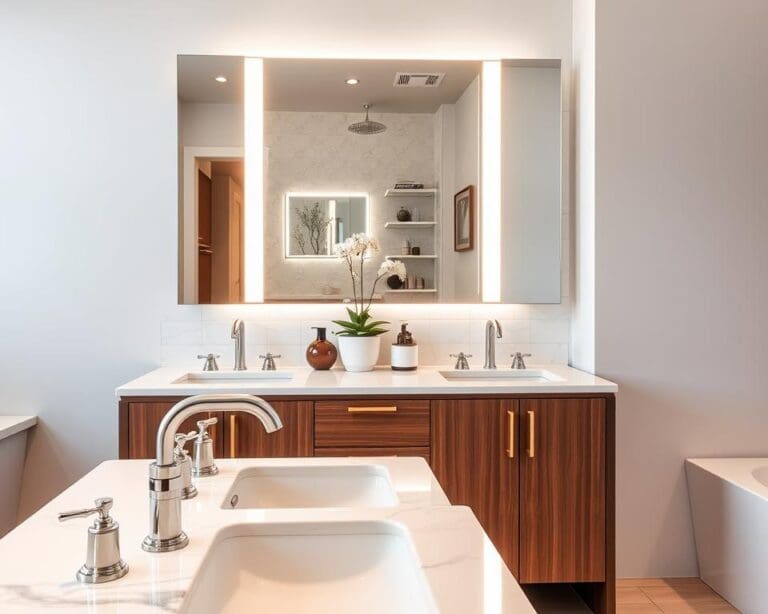
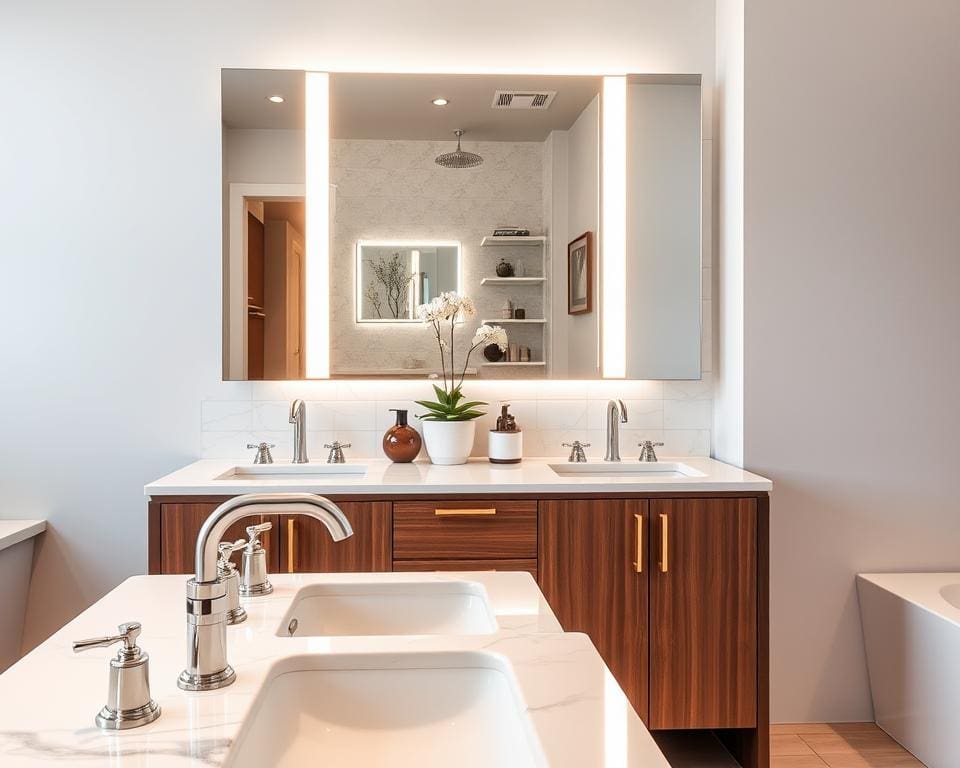
A contemporary vanity suits many buyers because it photographs well and layers easily with neutral tiles and lighting. Look for flat-front cabinets, integrated basins and muted palettes such as white, grey or soft beige.
Mid-range UK retailers like Wren, Victoria Plum and selected B&Q ranges offer contemporary vanity options that balance cost and quality. Choose matte or satin finishes to conceal everyday wear and pair with chrome or brushed-nickel taps for a timeless look.
Traditional and period-style vanities for listed and older homes
If your property has original features, a traditional bathroom vanity will feel authentic and sympathetic. Shaker doors, inset panels and turned legs complement cornices and sash windows.
Specialist suppliers such as Neptune or bespoke joiners can provide period-appropriate units that respect conservation requirements. Check with your local conservation officer before altering listed buildings to ensure compliance.
Floating vanities for a modern, spacious look
Floating vanities free up floor area and create the illusion of space, which helps small bathrooms and contemporary apartments. They also make cleaning easier and present a sleek, uncluttered aesthetic.
To install a floating unit you need solid wall fixings and suitable carrier frames, for example systems from well-known manufacturers. The floating vanity benefits are strongest for urban buyers and young professionals who favour minimalist design.
Custom-built vanities versus off‑the‑shelf units
A custom bathroom vanity gives you a tailored fit in awkward spaces and can match period detail, which raises perceived quality. It is best for high-value homes and unusual layouts, though lead times and costs are higher.
An off the shelf vanity suits typical family homes and rental properties because it is affordable and readily available. These units are easy to replace if damaged, but cheaper ranges can look low-end. Choose off-the-shelf options with solid construction and neutral styling to retain appeal.
Materials, countertops and hardware that maximise value
Choosing the right vanity materials will shape the look and longevity of your bathroom. Pick solid wood like oak for a premium feel, or moisture-resistant plywood for stability. Engineered boards and high-quality laminates such as FENIX give a smooth painted look and resist marking, while marine-grade plywood helps prevent warping in humid rooms.
Your bathroom countertop options should balance appearance with upkeep. Quartz and branded engineered products such as Silestone or Caesarstone offer stain resistance and a wide palette that appeals to buyers. Natural stone like granite adds cachet but needs periodic sealing, while porcelain slabs and solid-surface composites, including Corian, deliver durable, hygienic tops that are easy to repair.
For practical comparison of durable surfaces, you can consult a guide to resilient materials that covers quartz, granite, concrete and wood to help you weigh performance against style: durable material guide.
Hardware and fittings influence perceived quality more than their cost. Choose mono mixers and thermostatic valves from reputable manufacturers such as Grohe, Hansgrohe, Bristan or Crosswater to reassure buyers. Select finishes like brushed chrome, satin nickel or matt black to hide watermarks and match handles across drawers and showers for a coherent scheme.
When specifying the best taps for bathroom use, consider WRAS-approved, water-efficient options and soft-close drawer runners to boost both eco-credentials and perceived build quality. Co-ordinated metal finishes make the whole suite feel intentional and high-end.
Waterproof bathroom finishes and correct construction protect your investment. Seal carcases, use moisture-rated backboards and fit adequate extractor fans sized to the room to prevent condensation. Use paints and lacquers formulated for humid rooms and consider anti-mould additives in bathrooms prone to damp.
Plan long term maintenance vanity routines before handover. Leave clear care notes about resealing stone tops, using non-abrasive cleaners and performing periodic checks on seals and hinges. Offer details of manufacturer warranties for taps and worktops to reassure potential buyers and support the durability promise.
Practical features and installation tips to boost resale value
When choosing practical bathroom upgrades, focus on storage and serviceability. Deep drawers, pull-out trays and integrated organisers make daily life easier and score highly as bathroom resale features. Built-in medicine cabinets and LED backlit mirrors lift perceived quality and photograph well for listings.
Think about plumbing and access from the start. Use flexible hoses with isolator valves, provide access panels to traps and valves, and install overflow protection for basin bowls. These vanity installation tips reduce future maintenance concerns for buyers and valuers and help protect your resale value bathroom tips.
Choose neutral finishes and match fittings across wet rooms to create a cohesive feel. Add accessibility options such as lever taps, lower basins or grab-ready walls to broaden appeal to multigenerational buyers. Good ventilation, sanitary-grade sealing and professional tiling will prevent condensation damage and extend the life of finishes.
Always use qualified trades for plumbing, electrics and structural fixes; for heavy tops consider specialist carrier systems like Geberit. Plan costs realistically: mid-range upgrades usually give the best cost-to-value ratio in the vanity installation UK market. Keep receipts, warranties and certificates to reassure buyers and demonstrate quality work at viewing stage.