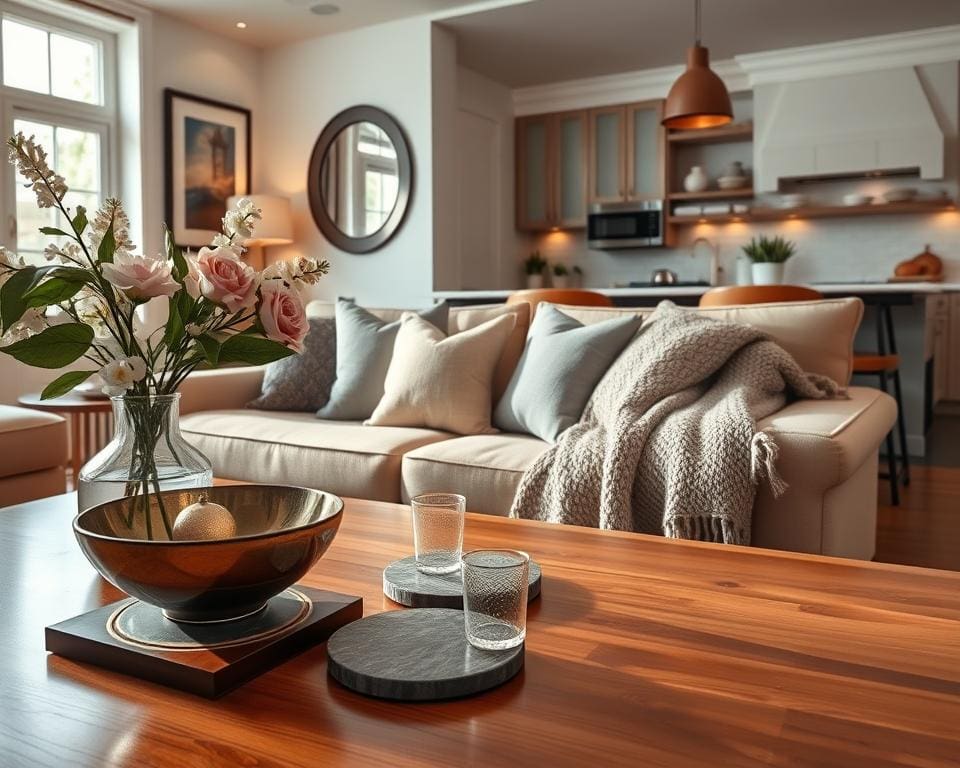
When you want a quick home refresh, the right interior accessories make a tangible difference. Home accessories cover decorative and practical items that are easy to change and budget friendly, from cushions and throws to rugs, lighting, artwork and mirrors.
In the UK, people often prioritise maximising daylight in smaller flats and layering for warmth in winter. Whether you live in a Victorian terrace in Manchester, a flat in London or a tenement in Edinburgh, blending contemporary pieces with heritage details helps you achieve a cohesive look.
Interior designers and retailers such as Habitat, John Lewis & Partners and Made.com use carefully chosen accessories to stage rooms and create aspirational displays. Seasonal accessory rotations are common practice and explain why living room accessories and bedroom accessories drive repeat sales in homeware.
Throughout this article you will find actionable guidance on which items deliver an instant upgrade, how to style interior accessories with confidence and what to consider before you buy. For kitchen-focused styling ideas and kitchen-specific accessories, see this kitchen accessory guide at TopVivo.
Why the right home accessories transform your interior
Accessories shape how a room feels and how you use it. With thoughtful choices you steer interior psychology to support calm, energy or hospitality. This is the accessory impact: small objects, lighting and textiles that change perception and function without a full renovation.
How accessories influence mood and atmosphere
Colour and texture send emotional signals. Cool blues and greens calm you, while ochre and rust bring cosy warmth. Soft throws and plump cushions cue comfort and invite you to sit down.
Lighting accessories control ambience. A table lamp with warm bulbs makes evenings intimate. Layered lighting lets you move from task to relaxation with ease.
Scented candles and diffusers add another layer. Brands such as Jo Malone and Neom are common in high-end styling for consistent olfactory signatures that reinforce hospitality.
Curated books, plants and personal objects tell a story about how you live. They make a space feel inhabited and welcoming rather than staged and sterile.
The role of scale, texture and colour in visual impact
Scale keeps a room balanced. A rug that is too small fragments seating. Oversized artwork can anchor a wall and give a room purpose.
Texture builds depth. Mix velvet cushions, wool throws, ceramic vases and metal lamps to avoid a flat look. Textural contrast works especially well in neutral schemes.
Colour provides accents. Start with a restrained base palette and introduce one or two accent tones across cushions, art and small objects. Use the 60–30–10 rule to guide proportion.
Investing wisely: pieces that add perceived value
Choose a few high-impact items and support them with affordable accents. Quality lighting finishes, solid rugs from retailers like The Rug Seller or Loaf and a statement mirror elevate perceived value.
Framed artwork and substantial mirrors create the impression of considered design. Shops such as Heal’s and Oliver Bonas often stock pieces used in home staging to give properties a polished look.
Durable textiles such as wool or cashmere-blend throws and cushion covers with washable liners last through redecorations. Spending strategically on lighting, a rug and art gives the best cost-to-impact ratio for most rooms.
Home accessories that make an instant difference
Small updates can change how your room feels. Use a few well-chosen pieces to create an instant home refresh that looks considered and inviting.
Statement cushions and throws are the quickest route to colour and comfort. Mix sizes — a 50cm square with a smaller lumbar cushion — and combine linen, velvet and knitted wool for texture. Choose one patterned cushion and two solids that pick out tones from the pattern to keep things cohesive. Removable covers make laundering and seasonal swaps simple, and retailers such as John Lewis and HAY offer options across price points.
Rugs define zones and add warmth underfoot. For living rooms, aim for the front legs of sofas on the rug or pick a larger rug that fits all furniture legs. Wool rugs give durability and cosiness, while flatweave and jute suit casual schemes. Use runners to anchor hallways and add underlays to prevent slipping and extend life.
Layered lighting brings depth and flexibility to every room. Combine ambient pendants with task lamps and accent table lights so you can change mood with ease. Fit dimmer switches or choose dimmable bulbs to soften a space at night. Brass and matte black finishes remain versatile, and warm LED bulbs (2700–3000K) help create a cosy glow.
Artwork and mirrors create focal points and make rooms feel personalised. Hang a single large piece or build a small gallery set at eye level — centre about 150cm from the floor. Mirrors amplify natural light and add perceived space; arched or sunburst designs work well above mantels and consoles. Use picture lights to draw attention to key pieces.
Decorative objects and trays keep surfaces curated rather than cluttered. Group books, ceramic vases and sculptural pieces on a tray to make coffee tables and sideboards look organised. Aim for odd-number groupings and varied heights to read as intentional. Use trays to hold remotes or coasters so frequently used items are tidy and easy to move.
- Statement cushions and throws refresh colour and comfort quickly.
- Rugs anchor areas and add texture.
- Layered lighting gives control over mood and function.
- Artwork mirrors provide focal points and reflect light.
- Decorative objects help you curate surfaces with ease.
Styling tips for arranging accessories like a pro
You can lift a room with a few simple moves. Start by editing surfaces so each object has room to breathe. Aim for calm, curated displays that show personality without clutter.
Grouping items using height, texture and repetition
When you arrange a mantel, sideboard or coffee table, think in triangles. Place a tall lamp or vase at one point, a medium object such as a framed photo or stack of books beside it and a low decorative piece to finish the composition. This accessory grouping feels balanced and pleasing to the eye.
Mix materials to keep interest: pair glossy ceramics with matte plaster, soft textiles with natural wood. Repeat a colour or material across a grouping to tie the scheme together. Use pairs of small items to create rhythm across a room rather than strict symmetry unless you want a formal look.
Try a quick exercise: on a coffee table start with a tray, add a stack of books, top with a small plant and a decorative object. You will achieve balance and a pro finish.
Balancing minimalism with personality
Minimal interiors work best when they feel lived in. Choose a handful of meaningful objects—travel finds, a favourite vase, an heirloom—then surround them with neutral pieces to avoid visual overload. This approach gives you minimalism with personality.
Use texture and a single pop of colour, such as a cushion or small artwork, to convey character without dominating the room. Storage baskets and decorative boxes keep essentials close yet hidden, so surfaces stay tidy and tranquil.
Seasonal switching and easy updates
Plan small, seasonal changes to keep your home fresh. Swap light linens and brighter hues for spring and summer. Bring in thicker throws, darker accents and autumnal foliage for cooler months to create seasonal decor that feels intentional.
Budget-friendly swaps help you refresh home accessories quickly. Change cushion covers, slipcovers or a lampshade to make a big difference without replacing furniture. Keep labelled boxes or a shelf for rotation so you can redecorate in an afternoon.
Use these styling tips as a simple framework to arrange accessories with confidence and create a home that reflects you.
Practical considerations when choosing home accessories
When choosing home accessories, start with scale and proportion. Measure walls and floors before you buy rugs, mirrors or artwork. Use masking tape to mark sizes on the wall or floor so you can judge sightlines and avoid oversized items that block movement or dominate a room.
Think about durability and maintenance for everyday life. Opt for stain-resistant fabrics if you have children or pets, and pick wipe-clean surfaces for high-use areas. Check care instructions and warranties for upholstery and rugs; a dense weave or higher pile usually lasts longer and offers better long-term value.
Work your budget by prioritising impact pieces like lighting, a well-chosen rug or a statement artwork, and add lower-cost accents such as cushion covers and candles. Look for quality at John Lewis, Marks & Spencer, Habitat, small British makers, or second-hand finds on Gumtree and charity shops to stretch your spending further.
Factor in sustainability and practical logistics. Choose GOTS or FSC-certified materials where possible and support local artisans to reduce carbon footprint. For electrical items and heavy wall hangings, follow UK safety standards and use proper fixings or hire a qualified electrician. If you want a tool to help plan costs alongside practical choices, try an online renovation budget guide like this cost and planning resource to keep maintenance, budget and sustainability aligned.