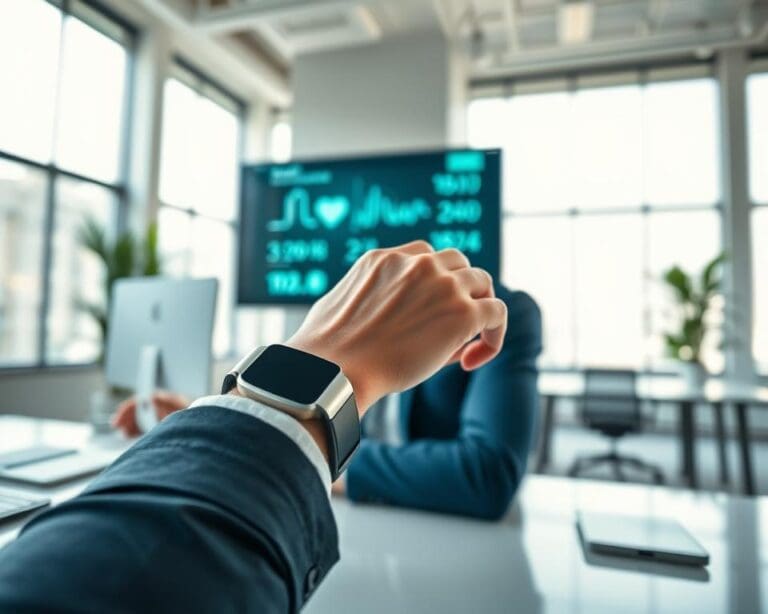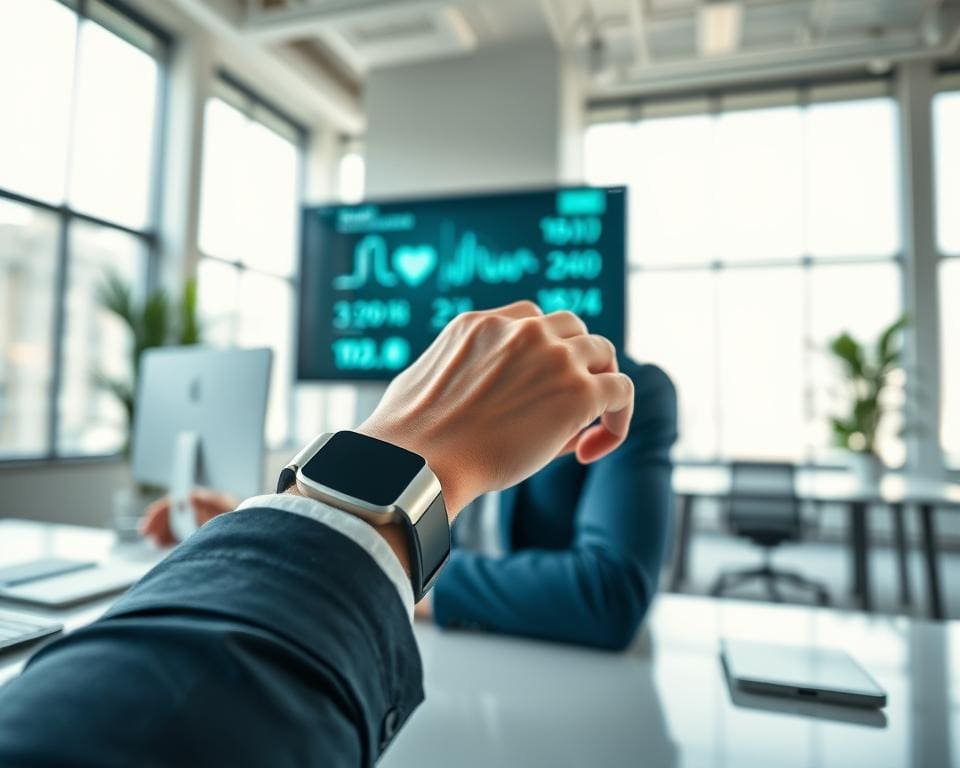
Wearable technology now reaches far beyond smartwatches. You can wear connected devices on your finger, ear, face, skin or body. Sensor-enabled clothing and footwear are also widening the role of wearable devices in daily life.
Smartwatches remain useful for calls, alerts and activity tracking. However, wearable innovation is moving towards smaller, more specialised products. Smart rings, health patches, smart glasses, connected earbuds and sensor-equipped clothing can collect information without asking you to check a screen.
These products combine sensors, wireless links, cloud services and artificial intelligence. They can record movement, heart rate, sleep, temperature, location and environmental conditions. Some smart textiles can even adjust insulation, colour or function as conditions change.
The future of wearable technology is not limited to fitness. It includes health monitoring, preventative care, work, entertainment, education, navigation and everyday convenience. The World Health Organization supports responsible digital health, while the UK Medicines and Healthcare products Regulatory Agency explains when connected software may qualify as a medical device.
Products from Fitbit, Garmin and Oura can support general wellness, but they are not automatically medical devices. Continuous glucose monitors and other regulated products may face different clinical and safety requirements. Accuracy, privacy, battery life, comfort, accessibility and compatibility will all shape wearable tech trends in the UK.
The following sections explore health and wellbeing first. They then examine smart clothing, augmented reality and emerging devices before considering how connected devices are changing everyday experiences.
How wearable technology is transforming health and wellbeing
Health wearables are moving beyond step counts and simple alerts. Small sensors now support daily insight into sleep, movement and vital signs. This progress is expanding wearable health technology across personal care and digital health UK services.
Advanced health monitoring through smart rings and patches
Smart rings such as Oura Ring and Samsung Galaxy Ring use miniature sensors to record heart rate, heart-rate variability, skin temperature and movement. Some models provide blood oxygen estimates and track sleep-related patterns, including restlessness and changes in sleep duration.
A ring may feel more discreet than a smartwatch, especially during sleep. It has no large screen and usually offers fewer visible controls, notifications and display features. Its value often comes from long-term trends rather than one isolated reading.
Wearable patches use a different method. Continuous glucose monitors from Abbott and Dexcom use a small sensor placed on the skin. The sensor measures glucose in interstitial fluid and sends readings to a compatible reader or smartphone.
These readings can support awareness, yet wellness information is not the same as a clinical measurement. A device may highlight a trend or prompt you to seek advice. It should not replace a diagnosis or treatment plan from a qualified healthcare professional.
Wearable technology for preventative healthcare
Repeated measurements may help you notice changes that deserve attention. This makes wellbeing devices useful in preventative healthcare, where early awareness can encourage a timely conversation with your GP or care team.
Skin-worn sensors may support remote patient monitoring outside hospitals and clinics. Clinicians could follow selected conditions from home when the device, data quality and care pathway have been clinically validated. This approach forms part of the wider digital health UK landscape.
There are limits to consider before relying on any device. Sensor placement, skin irritation, calibration and movement artefacts can affect readings. Data gaps, charging needs and sensor replacement schedules may affect regular use.
Consumer products and medical-grade devices are not interchangeable. Check what a device measures, how it has been tested and who should interpret its data. NHS guidance stresses the importance of checking symptoms and seeking medical advice rather than relying solely on consumer technology.
Fitness, recovery and mental wellbeing wearables
Fitness trackers measure activity, heart rate and rest patterns throughout the day. They can help you set realistic goals, monitor recovery and build steady routines without treating every reading as a medical result.
Some wellbeing devices use breathing exercises, guided relaxation and sleep prompts to support mental wellbeing. These tools may encourage healthier habits, yet they cannot assess anxiety, depression or another condition in place of a trained professional.
Smart rings and patches work best when their information is viewed over time. A series of readings can reveal a useful pattern for you and your healthcare team, while a single unusual result may reflect movement, poor contact or a technical error.
Smart clothing, augmented reality and emerging wearable devices
Smart clothing places wearable sensors inside garments, footwear and accessories. Conductive fibres, textile electrodes and compact modules can track movement, posture, heart activity, muscle activity, pressure, temperature and contact with the ground.
Hexoskin sensor garments support health and sports research through detailed body data. Sensoria smart socks can monitor foot pressure and movement, while Myant’s Skiin connected clothing explores remote monitoring and rehabilitation. These systems show how tech pants and connected clothing can suit exercise, work and daily life.
Garments can cover a wider area than a watch or single patch. You can wear them in a natural way, with less need to attach several separate devices to your skin. This may support sports training, occupational safety and care at home.
Smart clothing needs careful design. Washing, sizing, sensor placement and fabric wear can affect data quality. Comfort, wireless connections and cost matter too. Electronic parts must remain strong enough for repeated use without making the garment stiff or heavy.
Augmented reality glasses and heads-up displays place digital content within your field of view. You may see directions, repair steps, translations, alerts or three-dimensional models without looking down at a phone.
In industry, this can make hands-free work easier. Microsoft HoloLens 2 has been used for mixed-reality training, maintenance guidance, engineering visualisation, warehouse picking and remote expert support. A technician can view instructions while keeping both hands on a machine.
Spatial displays can support education and entertainment too. You might explore a virtual object, follow an interactive lesson or play a game that responds to the room around you. Products vary widely: some create transparent overlays, while others use cameras and screens to build a mixed-reality view.
Ray-Ban Meta smart glasses combine cameras, microphones, speakers and voice-assistant features. They can support calls, photos, audio and navigation. They are not fully transparent augmented reality glasses, since they do not place detailed digital images across your normal view.
Smart earbuds are becoming small personal computing devices. Apple AirPods Pro and Google Pixel Buds combine sound, microphones, voice control and environmental awareness. Some models include features linked to hearing, health or live translation, though performance depends on software and the surrounding noise.
Electronic tattoos use thin, skin-like materials to sense body signals or interact with digital systems. These designs may monitor electrical activity, temperature or movement with little bulk. Many uses remain in research or early commercial development, so long-term durability and data protection need close attention.
Implantable sensors belong to a different category. They can support specific medical functions, yet they involve clinical checks, ethical questions and regulatory controls. These requirements do not apply to ordinary consumer wearables placed on clothing or worn on the skin.
Flexible electronics, low-power chips and smaller batteries are helping create lighter products. Energy-efficient Bluetooth, wireless charging, on-device processing and energy harvesting may reduce the need for frequent charging.
Miniaturisation brings clear trade-offs. A smaller device may have less battery capacity, weaker processing power, fewer controls or limited sensor coverage. Designers must balance comfort with reliable data, stable connections and practical daily use.
These developments are shaping wearable devices of the future. Smart garments, skin sensors, glasses and earbuds may work together, giving you useful information through clothing, sound and sight without adding a large device to your routine.
How connected wearable devices are changing everyday experiences
Connected wearable devices become more useful when they work with your phone, car, home and online services. A ring, watch or pair of earbuds can collect information, while other systems store it and provide a useful response. You might unlock a door, make a contactless payment, control music, receive travel alerts or trigger smart home integration when you arrive home. This wider Internet of Things network can make your wearable technology lifestyle feel smoother and more personal.
This change is helping ambient computing move into daily life. Instead of opening an app, you may hear a message, see a route on smart glasses or receive a gentle vibration from a ring. Wearables can also support work and learning with hands-free instructions, live captions, translation and remote collaboration. Yet employers and schools should explain how these tools work, seek consent and avoid turning useful technology into constant surveillance.
Wearables can guide journeys, share your location and contact emergency services. However, you should not rely on a screen or audio prompt when it could distract you near traffic or on a busy platform. Quick replies, voice messages and discreet alerts keep you connected, but constant access may create pressure to respond. Interoperable devices, common standards and easy data export can reduce dependence on one brand or subscription.
Wearable privacy also needs careful attention. These products may record your health, location, routines, voice and surroundings, so review permissions, use strong passwords and install updates. The Information Commissioner’s Office, the National Cyber Security Centre, Bluetooth SIG and Matter all highlight the value of secure design and reliable connections. Cameras and microphones need clear recording signals and controls for people nearby. Battery life, repair options, software support and electronic waste matter too. The future of connected technology should be judged by whether it improves your life without becoming intrusive, inaccurate or hard to control.