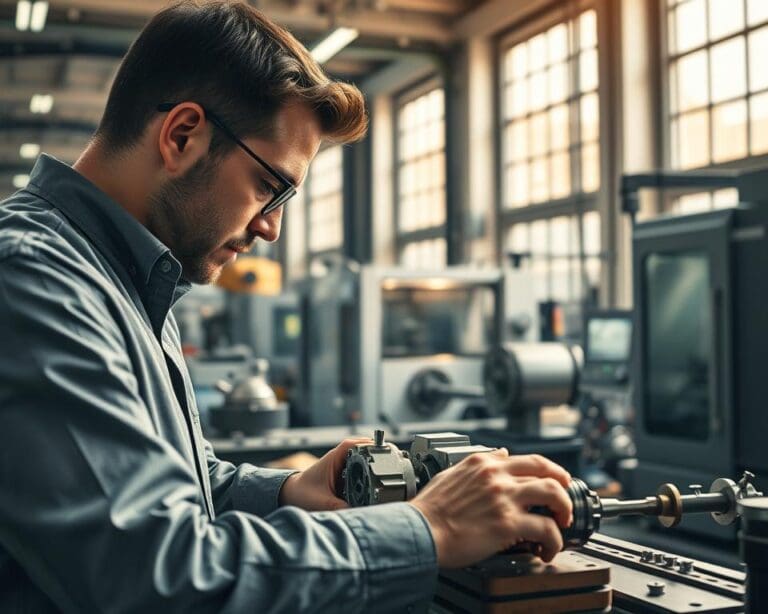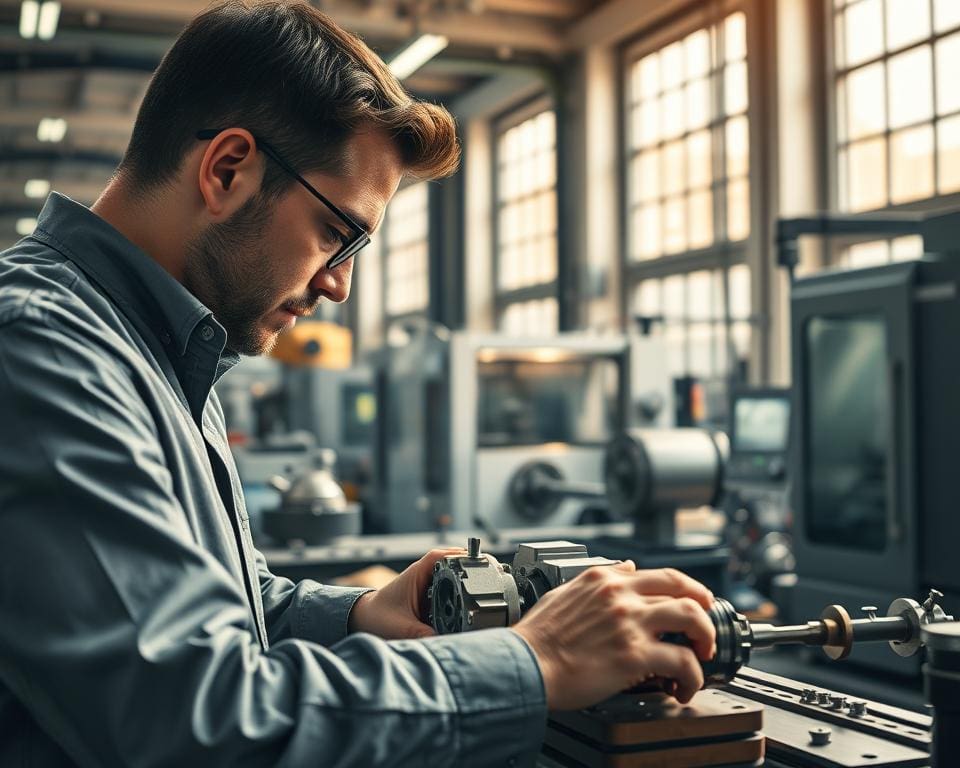
Precision engineering helps you design, make and inspect components that must meet exact dimensional, material and performance requirements. It is vital when standard parts cannot meet the technical, regulatory or operational needs of your product.
This approach supports specialised manufacturing in sectors where reliability and repeatability matter. Aerospace, defence, medical technology, automotive, energy, electronics and scientific equipment all depend on high-precision components and tight tolerances.
Precision engineering involves more than machining. It may include design development, material selection, CNC production, tooling, assembly, metrology, quality control and process improvement. These stages help you create complex parts with consistent results.
By combining advanced engineering methods with careful inspection, you can control waste and improve performance across prototypes, small batches and larger production runs. This also makes bespoke manufacturing more practical when each component must match a precise need.
This article explains how precision engineering enables specialised manufacturing, which technologies support consistent quality and the commercial benefits for your business. It also outlines how you can assess a reliable engineering partner within UK manufacturing.
How precision engineering enables specialised manufacturing
Precision engineering turns technical drawings, three-dimensional models and product specifications into clear manufacturing requirements. You can use these requirements to set dimensions, select materials and choose suitable processes. This approach supports specialised engineering solutions for sectors where fit, safety and performance matter.
Meeting tight tolerances and exact specifications
An engineering tolerance is the permitted variation from a specified measurement. A tighter tolerance allows less variation, but it needs more control during production. Suitable machinery, stable conditions and accurate inspection are vital when producing precision parts.
Depending on the component, you may need to control diameter, length, flatness, roundness, concentricity, surface finish or positional accuracy. A small error can cause poor fit, leakage, excess wear, vibration or reduced efficiency. It may lead to failure during assembly.
Engineers must assess material behaviour, cutting forces, heat generation and tool wear. These factors can change dimensions during machining. Equipment such as coordinate measuring machines and optical inspection tools helps verify critical features. You can read about precision measurement devices used in demanding production settings.
Realistic engineering tolerances help control cost without reducing performance. If every dimension has an unnecessarily tight limit, machining time and inspection costs can rise. Insufficient control can weaken the finished design. Inspection records, calibrated equipment and documented quality procedures provide evidence that each part meets the agreed specification.
Supporting complex components and intricate designs
Complex component manufacturing often involves narrow channels, curved surfaces, fine holes and several linked dimensions. These features may appear on aerospace, medical or industrial parts. Their accuracy can affect how the complete assembly operates.
Modern CNC machining, electrical discharge machining and additive processes can create detailed geometries with controlled results. Engineers must plan tool access, fixturing, surface finish and inspection points before production starts. This reduces the risk of distortion and helps protect the design intent.
For bespoke components, your manufacturer may combine machining, metrology and controlled finishing. This approach supports custom manufacturing when standard parts cannot meet the required function. It is useful for assemblies that need a precise fit, reliable sealing or controlled movement.
Adapting production for low-volume requirements
Low-volume production suits new product development, specialist equipment and replacement parts. You can order the quantity you need without committing to a large batch. This makes it easier to test a design, refine a process or support a short product run.
Manufacturers can adapt fixtures, cutting tools and inspection plans to suit each project. Digital models help maintain consistency between batches. Clear drawings and agreed acceptance criteria keep bespoke components aligned with your needs.
For successful low-volume production, discuss material choice, lead times, surface treatment and inspection at the planning stage. A capable partner can balance tight requirements with practical costs, giving you reliable precision parts without unnecessary process complexity.
Advanced manufacturing processes for consistent quality
Modern production combines digital planning, skilled engineering and careful checks. This approach helps you produce accurate parts with stable results across prototypes, small batches and larger production runs.
CNC machining and computer-controlled production
CNC machining uses computer numerical control to guide tools through programmed instructions. A machine can mill, turn, drill, bore and cut threads with a controlled sequence of movements.
CNC milling uses rotating cutting tools to shape a fixed or positioned component. CNC turning typically rotates the workpiece against a cutting tool. Each method suits different shapes, features and production needs.
Computer-controlled manufacturing improves repeatability through defined tool paths, cutting speeds and machining sequences. These settings reduce reliance on manual operation and help you maintain consistent dimensions between parts.
CAM programming converts a digital design into machine instructions. CAM software can simulate tool movements before cutting starts, helping you identify collisions, poor access and inefficient paths. Documented programmes, controlled revisions and standardised setups support reliable results across repeat orders.
Skilled engineers remain central to the process. They interpret drawings, select tooling, set workholding, manage materials, monitor tool wear and resolve production issues. You should match each machine to the component’s needs, including its axes, working envelope, spindle performance, positional accuracy, material and required surface finish.
Precision measurement and quality inspection
Precision measurement checks whether each feature meets the drawing and tolerance. Engineers may use calibrated gauges, coordinate measuring machines and other metrology equipment to assess size, position, form and surface detail.
Quality inspection can take place during production and after machining. In-process checks help you detect tool wear or movement before more parts are made. Final checks confirm that the finished component meets the agreed specification.
Clear inspection records support manufacturing quality control. They show which measurements were taken, which equipment was used and whether the results were within tolerance. This evidence helps you trace issues and maintain a steady standard across repeat work.
Computer-aided design and engineering
CAD engineering gives you a detailed digital model of the component. The model can define geometry, holes, threads, materials and critical dimensions before production begins.
Engineers use the design data to plan fixtures, cutting tools and machining sequences. CAM programming can guide the machine from the approved model, while simulation helps test the planned operation in a virtual setting.
Good digital control links design, production and inspection. When a drawing or model changes, controlled revisions help prevent outdated information from reaching the workshop. This link between CAD engineering, metrology and manufacturing quality control supports accurate work at every stage.
The benefits of precision engineering for your business
The main precision engineering benefits start with dependable component performance. Accurate parts fit correctly and work consistently within their intended operating conditions. This can improve product reliability, especially where failure would cause safety, service or replacement issues.
Repeatable production helps limit variation between parts. Consistent dimensions and surface quality can simplify assembly, reduce faults and support smoother manufacturing efficiency. Your teams spend less time checking, adjusting and correcting components.
Accurate production can reduce rework, scrap, assembly delays and warranty costs. The financial effect depends on the component, volume, material and quality requirements. For this reason, you should review the full cost rather than the unit price alone.
Careful design, suitable stock sizes and efficient machining strategies can promote reduced waste. These choices limit unnecessary material removal and make better use of costly metals, plastics and specialist materials.
Precision work can make innovation more practical. You can develop bespoke components, test prototypes and refine designs before wider release. Bespoke engineering services can help you move from a one-off development part to repeat small-batch or higher-volume production.
A capable supplier can provide valuable supply chain support as your needs change. Controlled drawings, inspection results, material records and production documents create clear traceability. This evidence can support customer assurance and sector-specific compliance.
Reliable quality can strengthen your reputation with customers, distributors and original equipment manufacturers. It can be vital when parts are safety-critical, difficult to replace or supplied to demanding industries.
Precision engineering is not the lowest-cost choice for every component. Its value is strongest when accuracy, complexity, repeatability or specialist materials matter. Assess design support, tooling, inspection, lead times, downtime and failed parts when planning cost-effective manufacturing.
Choosing a precision engineering partner in the UK
Begin your engineering partner selection by matching your component needs to the supplier’s capabilities. Check its CNC equipment, maximum part sizes, materials, tolerances, finishes and capacity. A strong UK precision engineering company should also show relevant sector experience, sample parts, inspection reports and measurable project results.
Review its engineering quality standards and quality controls. Look for ISO 9001 or AS9100 where relevant, calibrated equipment, traceability, inspection records and clear corrective action. Aerospace and telecoms projects may also need UK CAA or EASA-aligned approvals. Check staff competence, professional registration and technical certification where safety or regulation applies.
Before choosing a precision engineering supplier, assess its technical support and data control. Your partner should review drawings, suggest design improvements and manage revisions securely. Request a clear quotation covering materials, tooling, tolerances, finishes, quantities, lead times, delivery terms and exclusions. Ask how it manages prototypes, first-off parts, repeat orders and higher demand.
Finally, assess communication and supply chain resilience. Confirm material sources, subcontracted treatments, contingency plans and response times. Compare suitable CNC machining services UK providers and contract manufacturing UK partners using trusted market benchmarks and project outcomes. Choose the business that combines suitable technology, reliable records, transparent communication and long-term capacity.