Choosing the right winter coat matters more than a single season’s trend. This guide helps you pick the best winter coats that blend timeless style, practical warmth and good value for UK conditions.
UK winters are often damp and chilly rather than arctic cold, so you need a classic winter coat that resists weather, layers well and stays smart from commute to evening plans. Brands such as Burberry, Barbour, Marks & Spencer, John Lewis and Uniqlo offer options across price points, from investment pieces to reliable everyday wear.
What follows is a clear roadmap. First, we outline essential styles every wardrobe needs. Next, we explain how to choose fabrics, fit and insulation. Then we cover care and repairs to extend a coat’s life. Finally, we compare investment pieces with budget-friendly alternatives so you can build a timeless wardrobe without compromise.
Essential styles every wardrobe needs
You want outerwear that performs and looks good across seasons. Start with a handful of reliable silhouettes that cover smart occasions, wet commutes and weekend walks. These winter coat styles form the backbone of a practical, versatile collection.
Classic wool coats and why they endure
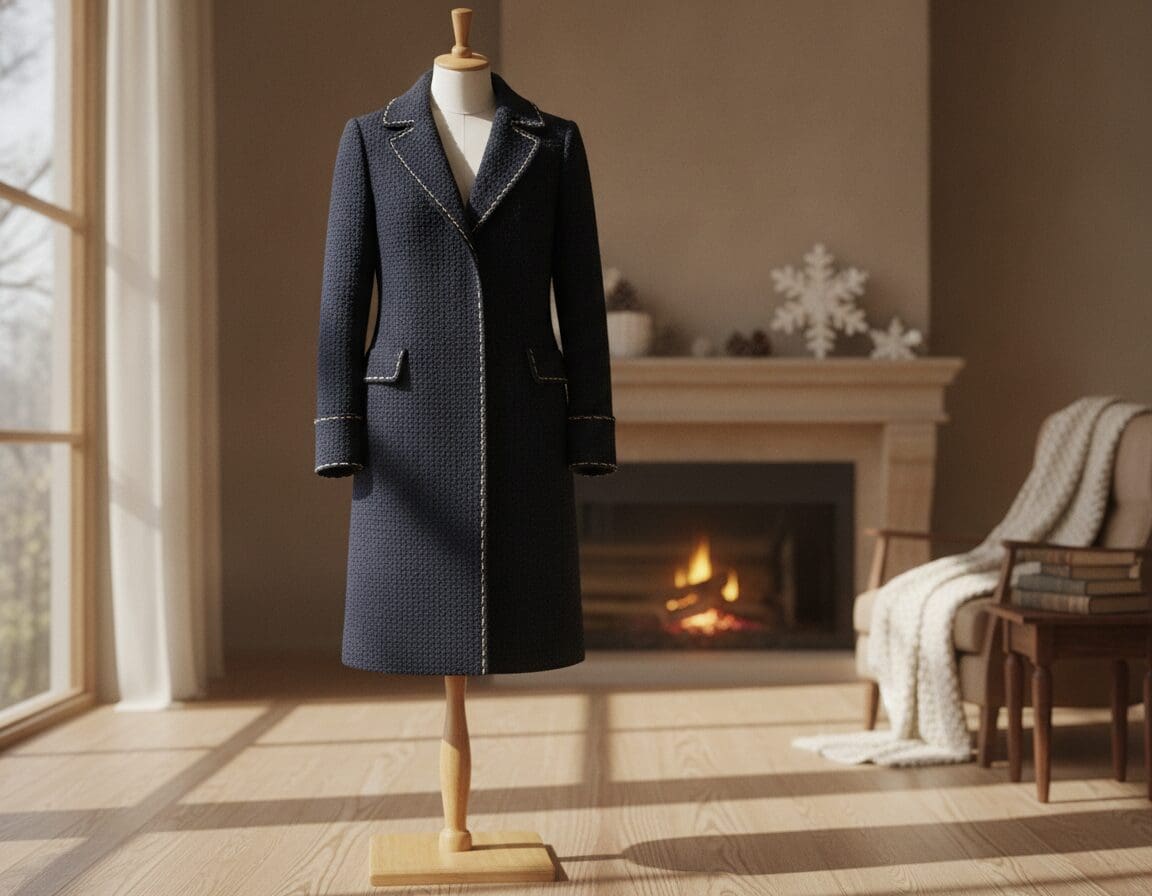
A classic wool coat usually appears in single‑breasted or double‑breasted cuts, often mid‑length or long. The clean lines allow wear over knitwear or a suit without bulk. Pure wool and wool‑cashmere blends give natural insulation, breathability and a pleasing drape that keeps shape better than many synthetics.
Colours such as camel and navy work from office to weekend, which helps the garment pay back its cost over several seasons. Heritage labels like Burberry and Marks & Spencer have long relied on these fabrics and cuts to deliver dependable style.
Tailored overcoats for a polished look
A tailored overcoat serves a different purpose. It is cut to sit over suits and smart layers, with structured shoulders, neat lapels and refined details. Heavier wools, boiled wool or wool‑cashmere blends create a sharper silhouette and a smooth finish.
When choosing one, check sleeve length and shoulder fit so your underlying jacket sits comfortably. British tailoring houses and retailers such as Aquascutum, Reiss and John Lewis offer overcoats with the precise seams and finishes that extend wear and maintain a polished appearance.
Parkas and practical warmth without sacrificing style
A parka prioritises function: length, insulation and weather protection are central. Look for models with hoods, storm flaps and useful pockets. Options with down fill or synthetic insulation such as Primaloft pair well with technical shells treated with a DWR finish for wet UK conditions.
Contemporary parkas have evolved into sleeker cuts with refined details like faux‑fur trims, so you do not need to sacrifice style for warmth. Brands such as Barbour and Parajumpers sit at the premium end, while Uniqlo and Superdry offer accessible, weatherproof choices.
- Classic wool coat for timeless formality.
- Tailored overcoat for smart layering.
- Parkas for functional, everyday protection.
How to choose the perfect winter coat
Choosing the right coat starts with a clear idea of where you will wear it and what you need it to do. Think about daily commutes, weekend walks and occasional wet days. That helps you narrow options from classic wool overcoats to technical jackets made for harsh weather.
Understanding fabric: wool, cashmere, technical blends
Wool remains a top choice for natural insulation, breathability and a smart drape. Worsted wool gives a polished finish, while boiled wool adds stiffness and warmth for more structured shapes. If you want luxury, cashmere feels softer and lighter for its warmth; pure cashmere needs careful care, so many brands blend it with wool to balance cost and durability.
Technical blends use polyester or nylon shells with membranes like Gore-Tex or proprietary options to deliver windproofing and waterproofing. These fabrics perform well in damp British conditions. Durable water-repellent coatings boost water resistance but may need reproofing over time.
Fit and proportion for your body shape
A good coat fit starts at the shoulders. The shoulder seam should sit at the edge of your shoulder and you should have room for a jumper underneath. Check sleeve length so cuffs meet the base of your thumb.
Proportions matter. Shorter frames often suit mid-thigh coats and single-breasted styles to avoid overwhelming the silhouette. Taller people can carry long overcoats and double-breasted cuts. Tailored waists flatter hourglass shapes, while straighter cuts suit rectangular figures.
Try coats with the layers you plan to wear. Move your arms, reach forward and sit to test ease of movement. Look for adjustable features such as cinchable waists or removable liners to add versatility to your coat fit.
Insulation and lining: staying warm in UK winters
Insulation options include down, which offers high warmth-to-weight and compresses easily, and synthetic fills like PrimaLoft or Thinsulate that keep insulating power when wet. Quilted linings trap air and add comfort for colder days.
Lining materials such as viscose or smooth polyester help coats glide over layers. For the UK climate pick breathable, water-resistant combinations. On persistently damp winters, a water-repellent shell with synthetic insulation often beats untreated down for practical warmth.
Practical features make a difference. Seek storm cuffs, wind flaps, adjustable hoods and hem toggles to seal in heat. These details improve performance without sacrificing style when you choose winter coat options for everyday life.
winter coat care and longevity
Keeping a winter coat in prime condition starts with simple habits. You can extend the life of wool, cashmere and technical shells by following care labels, airing garments after use and storing them correctly between seasons. These small steps form the backbone of sensible winter coat care.
Cleaning and storage tips to preserve shape
Read the manufacturer’s label before you clean. Many wool coats need professional dry cleaning, while Gore-Tex and other technical shells often cope with a gentle machine wash. Use cool water and a mild detergent designed for technical fabrics when machine washing.
Brush wool with a soft garment brush to remove surface dust and lint. Spot-clean stains promptly to avoid deep-set marks.
Choose broad, shaped hangers to keep shoulder lines intact. Store winter coat pieces in breathable garment bags; avoid thin plastic covers that trap moisture and encourage mould. Before you store for the summer, make sure each coat is fully dry.
Minor repairs and alterations to extend life
Simple mending saves a coat from early retirement. Replace buttons, restitch hems and fix seam tears quickly to prevent further damage. Reattaching a lining or patching a small rip costs little and keeps the piece wearable.
Tailoring can transform fit and longevity. Letting out or taking in sleeves, shortening hems or adjusting shoulder pads will refresh the silhouette and keep you wearing the coat longer. Turn to local tailors, reputable dry cleaners with alteration services or brand aftercare programmes such as those offered by Burberry or Barbour for professional results.
When to reproof or replace waterproof finishes
Test water repellency by sprinkling a few drops on the fabric. If water beads no longer occur and the surface soaks, it is time to reproof waterproof coat finishes. Durable water repellent (DWR) coatings wear down with washing and friction.
Use a spray-on or wash-in DWR treatment appropriate to the fabric and follow product instructions closely. Clean the coat fully before applying treatment and apply heat if the product recommends activation. Choose eco-friendly reproofing products when possible to reduce environmental impact.
If fabric abrasion, membrane delamination or major wear reduce performance, consider replacing the shell. High-use waterproof coats commonly need reproofing every six to twelve months depending on use and laundering. Budget for occasional coat repairs and reproofing to protect your investment and keep you dry in wet weather.
Investment pieces and budget-friendly alternatives
When you choose an investment winter coat, you pay for superior fabric and construction that last. Look for full wool or wool-cashmere blends, high-fill-power down and reliable membranes. Heritage names such as Burberry and Barbour set a high bar for longevity, and a well-cut coat from a Savile Row tailor will serve you for years.
A budget winter coat need not look cheap. High-street retailers like Uniqlo, Marks & Spencer, Next and H&M offer affordable coat options that balance modern styling with sensible fabrics. These pieces work well for trend-led looks or when you need extra layers without stretching your wallet.
Decide where to spend by thinking about frequency of wear. Invest in a classic wool overcoat or a waterproof parka if they will be your everyday choice. Save on seasonal or experimental styles. Key features worth the extra cost include quality fabric, precise tailoring, sturdy linings and weatherproofing.
Mix one or two luxury coat purchases with smarter budget buys to keep your wardrobe versatile. Inspect seams, lining quality and hardware before you buy, and consider resale value: coats from Burberry and Barbour tend to hold value well. Shop end-of-season sales or pre-owned marketplaces to find investment winter coat options at lower prices, and follow care advice to protect resale potential.