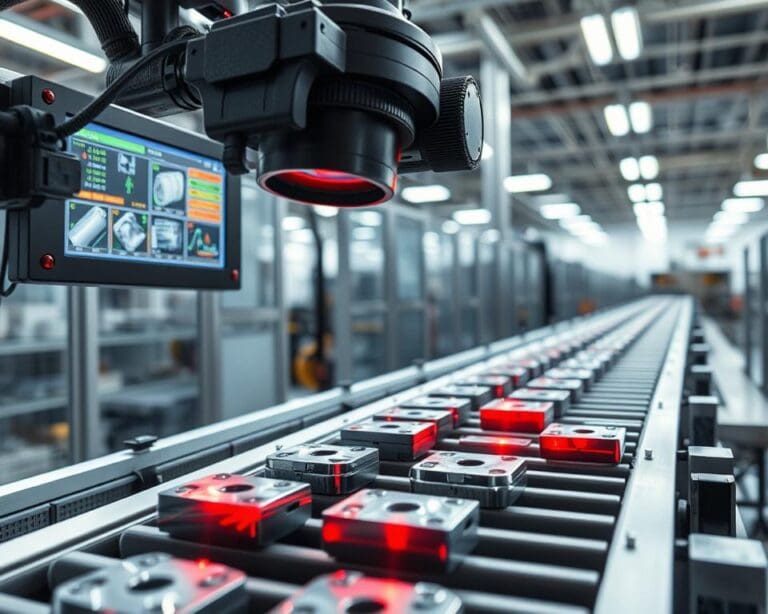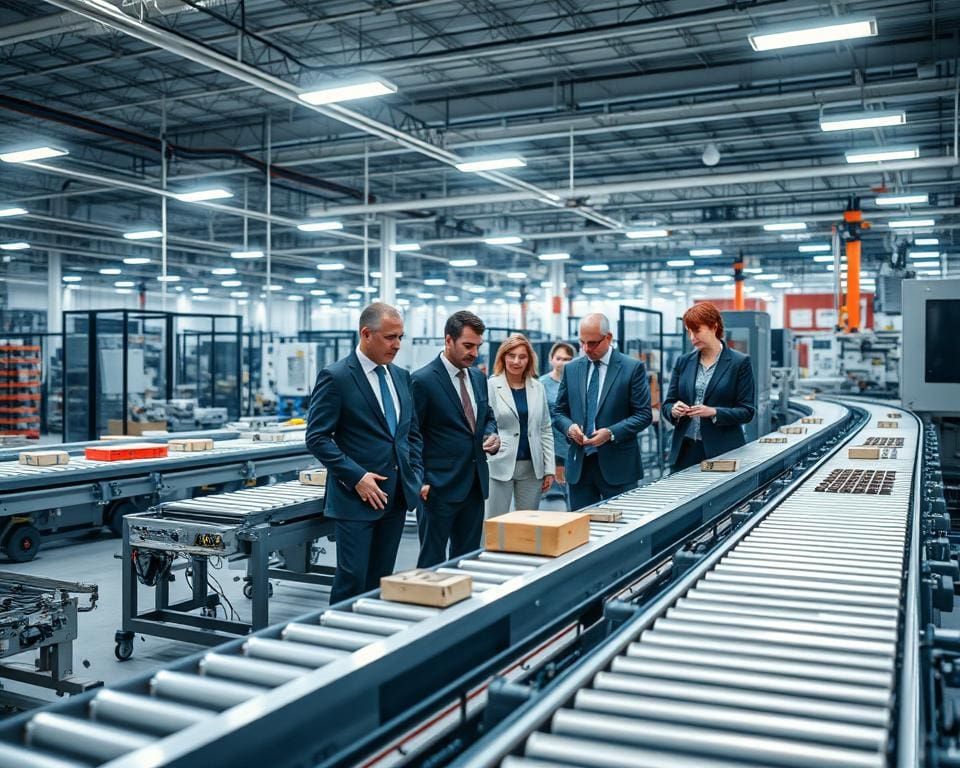
You rely on conveyor systems to move materials, components and finished goods reliably and safely between workstations, storage and dispatch. In the UK, thoughtful use of conveyor technology can transform how your line runs, helping you to optimise production lines and lift production line efficiency without multiplying headcount.
Conveyor types vary to suit tasks. Belt conveyors offer gentle, continuous transport for packaged goods and assemblies. Roller conveyors suit pallets and boxes, while chain conveyors handle heavy loads. Screw conveyors move bulk solids, pneumatic conveyors shift powders and granules, and vertical conveyors save floor space when raising items between levels. Choosing the right conveyor technology UK specialists supply depends on product size, weight and fragility.
The business case is straightforward. Well-specified material handling systems reduce manual handling, cut injury risk, and increase throughput and consistency. They also create a platform for automation, lowering labour costs and improving overall equipment effectiveness. You should account for Health and Safety Executive guidance on machinery safety and manual handling when making decisions.
Measure the impact with clear metrics. Track throughput (units per hour), OEE, mean time between failures, mean time to repair and return on investment. These indicators show how conveyor performance translates into production gains and where to focus maintenance or redesign.
Regulatory compliance matters. In the UK, consider Provision and Use of Work Equipment Regulations (PUWER), the Machinery Directive for imported kit, and HSE recommendations on guarding and emergency stops. Compliance protects staff, reduces legal exposure and supports insurance claims.
Start planning by mapping current material flow, spotting bottlenecks and time-consuming manual tasks. Carry out time-and-motion studies and gather product specifications and forecasts. That information helps you select the right conveyor systems and model how they will optimise production lines in your facility.
How conveyor systems improve efficiency on the factory floor
Conveyor systems transform how you manage material flow and labour on the factory floor. They help improve factory efficiency by replacing repetitive tasks, smoothing production rhythms and cutting the time lost to breakdowns.
Reducing manual handling and labour costs
Conveyors remove the need for staff to lift, carry and shuttle items across the line. You can redeploy people to inspection, assembly or troubleshooting, which lifts overall productivity. Fewer manual moves mean lower risk of musculoskeletal injury, reduced absenteeism and less dependence on temporary staff during peaks.
On costs, typical installations reduce staff hours per shift and can lower compensation claims and insurance premiums. In the United Kingdom, rising wages and skill shortages make these labour savings more valuable. Fit guarding, emergency stops and light curtains to meet HSE guidance on manual handling and you reduce accident risk while improving ergonomics.
Increasing throughput and consistent material flow
Conveyors create a steady, predictable feed that shortens cycle times and reduces work-in-progress. Accumulation conveyors, zone control and sensor-equipped belts act as buffers to keep downstream machines supplied without surges or starvation.
Variable-speed drives, servo control and PLC or SCADA integration let you synchronise conveyors with machines. That precision helps you increase throughput and meet takt time targets with fewer stoppages. Less manual handling also reduces product damage, boosting first-pass yield and cutting rework.
Minimising downtime with reliable transport
Design choices and robust components increase conveyor reliability. Use sealed bearings, heavy-duty chains, redundant motors and modular belt segments to limit failures and speed repairs. Predictive sensors spot wear before it becomes a stoppage.
Adopt preventive and condition-based maintenance practices such as scheduled lubrication, belt alignment checks, vibration analysis and thermal imaging. Link conveyor telemetry and fault codes to your MES and CMMS so diagnostics and spare-part provisioning are faster. Those measures lift mean time between failures and lower mean time to repair, which helps you minimise downtime across the line.
Conveyor systems for flexible production and layout optimisation
You need conveyor solutions that change as your products do. Modular belt conveyors, adjustable guides and quick-change tooling let you switch lines without long stops. Variable-width conveyors and sensor-based sorting help when you handle mixed SKUs and shifting batch sizes.
Plan for growth by building in scalability. Add parallel lanes, high-speed accumulation or increase belt speed to meet seasonal peaks. Designing with future throughput in mind saves you costly overhauls and keeps your line responsive.
Delicate or oddly shaped items demand careful handling. Use soft-start/stop controls, low-friction belts, vacuum conveyors and gentle transfer points to protect goods and maintain quality. These tactics reduce damage and improve first-time yields.
Conveyor integration with automation is central to smarter plants. Conveyors that speak Ethernet/IP, PROFINET or Modbus TCP link directly to PLCs, robot cells and vision systems. That connectivity lets you coordinate pick-and-place tasks and inspection without manual intervention.
Sensorisation turns conveyors into data sources. Load cells, photoelectric sensors and encoders stream real-time information to MES and analytics platforms. You can use that data for predictive maintenance, throughput tuning and energy saving measures.
Robots impose specific demands on conveyors. Provide precise position referencing and repeatable indexing for robot arms from brands like ABB or Fanuc. For collaborative robots, integrate safety-rated monitored stop features to keep people and machines safe.
Space-saving conveyors unlock new layout options. Use mezzanine conveyors for multi-level flow, spiral conveyors for elevation changes and overhead conveyors to free valuable floor area. These choices support compact footprints without throttling throughput.
Apply flow engineering to remove bottlenecks. Use takt time, line balancing and value-stream mapping to place conveyors where they cut waste. Discrete event simulation lets you test layouts before committing to installation.
Be realistic about site constraints. Consider ceiling height, service access, fire escape routes and loading bay interfaces during design. Involving facilities, HSE and suppliers early reduces rework and keeps project timelines on track.
Selecting and maintaining conveyor systems to maximise ROI
When selecting conveyor systems, start with clear product specifications: weight, dimensions, fragility and throughput targets. Assess the duty cycle and the operating environment, whether washdown, dusty or cold, and confirm compliance needs such as CE/UKCA markings. Compare conveyor suppliers UK and European manufacturers like Interroll, Dorner and recognised Siemens-approved integrators, checking case studies and after-sales support to ensure the right fit for your sector.
Calculate conveyor lifecycle costs rather than focusing on purchase price alone. Include installation, energy use, routine conveyor maintenance, spare parts, downtime costs and expected service life to determine total cost of ownership. This approach helps you to maximise ROI by revealing long-term savings from energy-efficient drives, robust components or better warranty terms.
Plan installation and commissioning carefully: site preparation, mechanical alignment, electrical integration and FAT and SAT to validate throughput and safety interlocks. Provide operator and maintenance training that covers daily visual checks, lock-out/tag-out procedures and basic troubleshooting. These actions reduce human error and extend equipment life.
Adopt a preventive and predictive maintenance regime: daily inspections, weekly belt tension and alignment checks, monthly lubrication, quarterly detailed inspections and annual overhauls. Fit condition-monitoring sensors to cut unplanned downtime and keep a critical spares list for belts, bearings, motors and PLC modules. Agree SLAs with integrators for remote support and emergency callouts, and track KPIs such as OEE, MTBF/MTTR, downtime hours and cost per unit to quantify returns and drive continuous improvement.
Maintain regulatory records and software updates to meet PUWER and cybersecurity expectations, and plan responsibly for end-of-life disposal or refurbishment with recyclable materials where possible. Regular reviews with suppliers and data-led adjustments to speed profiles or accumulation strategies will further reduce conveyor lifecycle costs and help you continually maximise ROI.