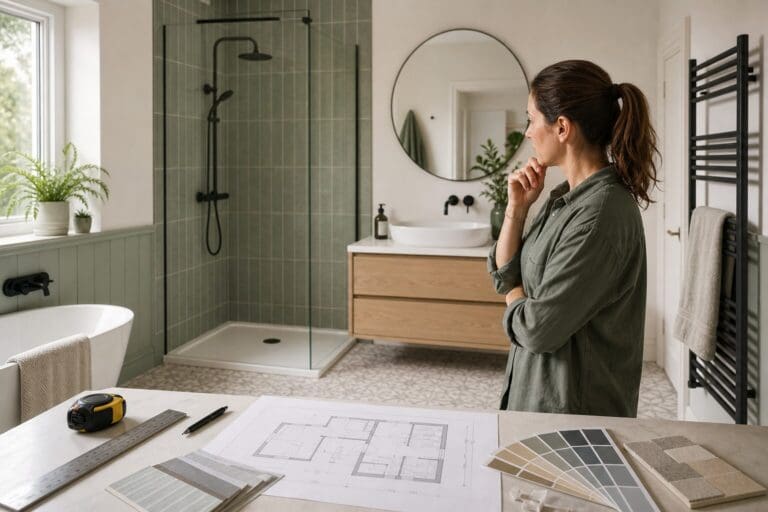
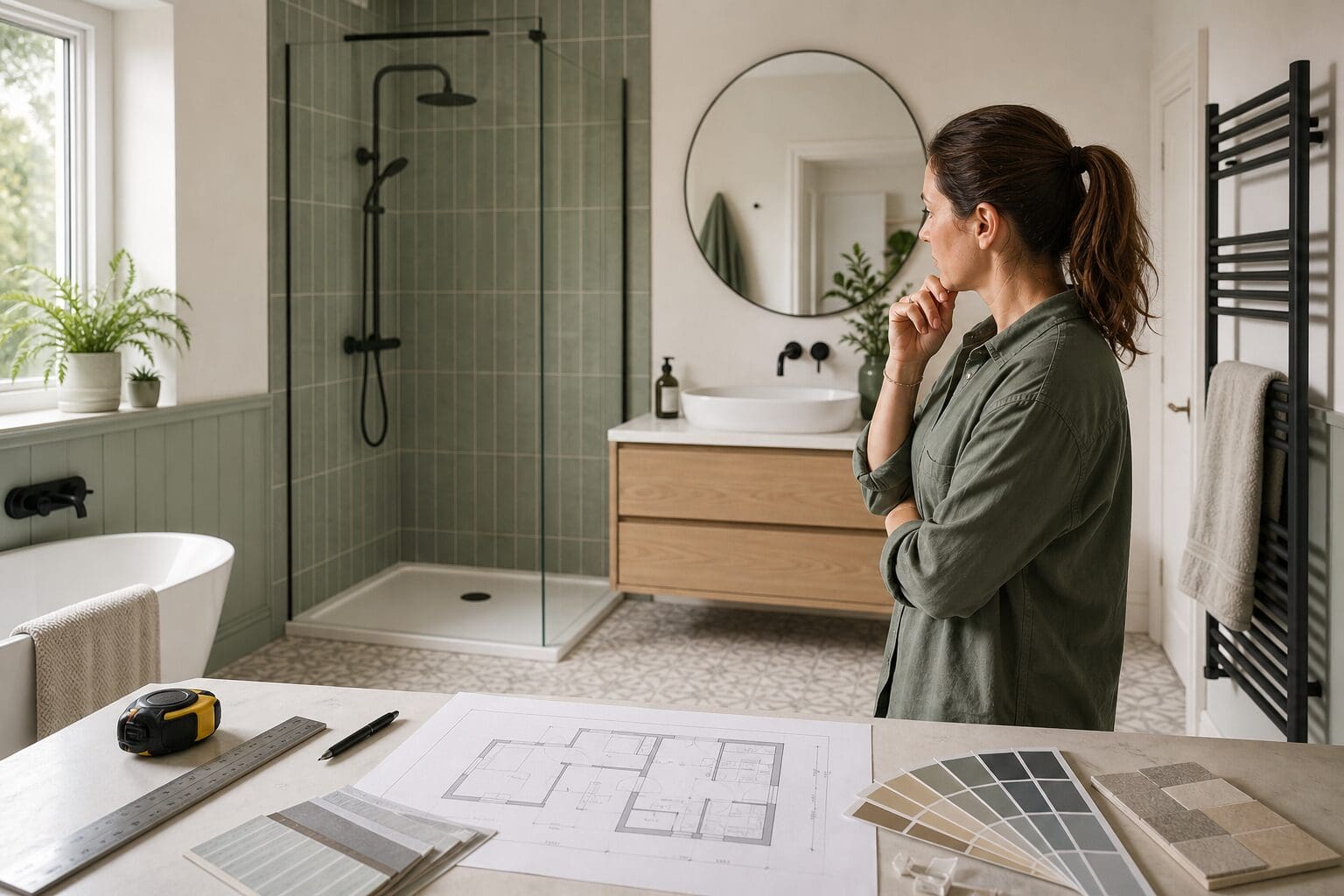
How do you plan a practical bathroom renovation? Start by thinking less about trends and more about how the room works every day. A good bathroom renovation balances comfort, storage, safety, cleaning, ventilation and budget. Whether you are updating a small cloakroom or replacing a tired family bathroom, careful planning helps you avoid rushed decisions, awkward layouts and expensive changes once work has begun.
How do you plan a practical bathroom renovation from the start?
A practical bathroom renovation begins with an honest look at the existing room. Before choosing tiles or taps, consider what currently annoys you. Is there too little storage? Does the shower screen leak? Is the bath rarely used? Is the room cold in winter or steamy after every shower?
Make a simple list of what must change and what could stay. This helps separate essentials from nice extras. For example, replacing a damaged floor may be essential, while swapping a usable mirror for a fashionable one may be less urgent.
Think about everyone who uses the bathroom. A household with young children may need a bath, rounded edges and easy-clean surfaces. A couple in a flat may prefer a large walk-in shower and more storage. Older users may value good lighting, non-slip flooring and a higher toilet. Practical design is personal; it should reflect real routines, not just brochure images.
It is also sensible to decide early whether you are keeping the main fittings in the same positions. Moving a toilet, bath or basin can involve plumbing, drainage and floor work. Sometimes this is worthwhile, but it usually adds complexity. If the existing layout works reasonably well, improving it with better fittings, lighting and storage can be the most cost-effective route.
Set a realistic budget before choosing finishes
Budget planning is one of the most important parts of a bathroom renovation. Bathrooms involve several trades and materials, including plumbing, electrics, tiling, flooring, plastering, sanitaryware and ventilation. Costs can rise quickly if decisions are made late or if hidden issues appear once old fittings are removed.
Create a budget that includes the full project, not just the products you can see. Allow for removal of the old bathroom, preparation of walls and floors, labour, waste disposal and finishing touches. It is also wise to include a contingency for surprises, particularly in older UK homes where pipework, damp patches or uneven floors may only become clear during strip-out.
A practical budget might include:
- Sanitaryware, such as the toilet, basin, bath or shower tray
- Brassware, including taps, shower valves and wastes
- Tiles, flooring, grout, adhesive and trims
- Lighting, extractor fan, mirror and electrical fittings
- Labour, preparation, waste removal and finishing work
- A contingency for repairs, delays or small design changes
Try to choose where you want to spend more and where you can save. A high-quality shower valve may matter more than expensive decorative tiles behind a door. Good ventilation may be more valuable than a luxury towel rail. The most practical renovations put money into the parts used daily and the work hidden behind the surface.
Plan the layout around movement and use
A bathroom may look attractive on a mood board but still feel awkward if the layout is wrong. Space matters, especially in compact UK homes where bathrooms are often narrow, irregular or squeezed under stairs.
Start by measuring the room carefully. Note the position of doors, windows, radiators, soil pipes, existing plumbing and ceiling slopes. Measure the swing of the door and check whether it clashes with a basin, toilet or shower screen. If the door opens inwards and space is tight, a sliding or outward-opening door may be worth considering, where suitable and compliant.
Leave enough room to use each fitting comfortably. The toilet should not feel boxed in. The basin needs elbow room for washing and shaving. A shower entrance should be easy to step into without twisting around furniture. Storage should be reachable without blocking the main walkway.
Bath, shower or both?
Choosing between a bath and a shower is often the biggest layout decision. A bath can be useful for children, pets and relaxation, but it takes up considerable space. A shower is faster, easier to access and often more practical for busy mornings.
In a family home, removing the only bath may affect future appeal, although daily use should still guide the decision. In a smaller flat or en suite, a spacious shower can make the room feel more open and usable. If you want both but space is limited, a shower over the bath can be practical, provided the screen is watertight and the shower area is properly tiled or panelled.
Think about access too. A low-profile shower tray can be easier to step into than a deep bath. A fixed glass screen may look sleek, but it must still allow comfortable cleaning and entry.
Storage that does not steal space
Bathrooms collect more items than many people expect: toiletries, medicines, cleaning products, spare towels, toilet rolls and electrical grooming tools. Without planned storage, these items end up on windowsills, bath edges and basin tops.
Wall-mounted vanity units are popular because they combine a basin with hidden storage while keeping the floor visible. Mirrored cabinets add useful storage at eye level. Recessed niches in shower areas can reduce the need for hanging baskets, but they must be designed and waterproofed correctly.
In a small bathroom, shallow storage is often better than deep cupboards. Tall, narrow cabinets can make use of vertical space. Open shelves may look attractive, but they need regular tidying and can collect dust. Practical storage should be easy to reach, easy to clean and placed where items are actually used.
Choose durable, easy-care materials
Bathrooms face water, steam, heat changes and frequent cleaning. Materials should be chosen for durability as well as appearance. A surface that looks beautiful in a showroom may not suit a busy family bathroom if it stains easily or needs careful maintenance.
Porcelain and ceramic tiles are common choices because they are hard-wearing and available in many styles. Large-format tiles can reduce grout lines, which may make cleaning easier, although they need careful fitting on uneven walls. Vinyl and luxury vinyl flooring can feel warmer underfoot and may suit some budgets, but it must be compatible with bathroom use and fitted correctly.
For walls, you may choose tiles, bathroom panels, moisture-resistant paint or a mixture. Fully tiled rooms can feel polished but may cost more. Painted areas can soften the look and allow easier colour changes later, but the paint must suit humid spaces.
Consider grout colour carefully. Very pale grout can show marks, particularly in showers. Dark grout may hide staining but can show limescale in hard water areas. Good sealing, correct falls in wet areas and sensible cleaning habits all help materials last longer.
Lighting, ventilation and heating are not afterthoughts
A practical bathroom needs more than attractive fittings. Lighting, ventilation and heating affect comfort every day.
Bathrooms need suitable lighting for different tasks. A central ceiling light may not be enough for shaving, make-up or contact lenses. Lighting around a mirror can reduce shadows on the face. Soft lighting can also make evening baths more relaxing. All electrical work in a bathroom must be appropriate for the bathroom zone and carried out safely.
Ventilation is vital. Without it, steam can lead to condensation, mould and damage to finishes. An extractor fan should be suitable for the room size and usage. If the bathroom has no window, mechanical ventilation becomes even more important. A quiet fan may be worth considering, as noisy fans are more likely to be switched off or avoided.
Heating should suit the room, not just the available wall space. A heated towel rail can warm towels, but it may not heat a large bathroom on its own. Underfloor heating can add comfort, especially with tiled floors, but it needs planning before the floor is finished. The aim is a bathroom that dries well and feels pleasant in colder months.
Check practical details before work begins
Many renovation problems come from small details being missed. Before work starts, review the plan carefully. Check product sizes, delivery times and whether fittings are compatible with your plumbing and water pressure. A large rain shower may not perform well if the system cannot support it.
Confirm where accessories will go. Toilet roll holders, towel hooks, robe hooks, shelves and mirrors are easy to overlook, but they affect daily use. Make sure there is a place to hang towels where they can dry. Check that cabinet doors can open fully. Confirm that the shower screen will not hit the basin or radiator.
It is also worth thinking about cleaning from the start. Wall-hung toilets can make floors easier to clean. Frameless screens may have fewer dirt traps, but they still need proper installation. Textured tiles can add grip but may need more scrubbing. The most practical option is usually the one that balances appearance, safety and maintenance.
Work in the right order
Bathroom renovations normally follow a logical sequence. The exact order depends on the project, but planning the flow helps avoid delays and rework.
A typical renovation may involve:
- Removing the old fittings, tiles and flooring
- Checking the condition of walls, floors, pipework and electrics
- Completing first-fix plumbing and electrical work
- Preparing surfaces, including plastering, boarding or waterproofing
- Installing the bath, shower tray or concealed frames where needed
- Tiling, laying flooring and decorating suitable areas
- Fitting the toilet, basin, taps, shower screen, furniture and accessories
- Sealing, testing, cleaning and completing final checks
Good preparation is especially important in wet areas. Waterproofing, correct falls and careful sealing are not glamorous, but they protect the room. Rushing these stages can cause leaks, staining and movement later.
Frequently Asked Questions
How long does a bathroom renovation usually take?
The timescale depends on the room size, complexity and availability of materials and trades. A straightforward replacement may be quicker than a full redesign involving plumbing, electrics and structural preparation.
Should I keep the toilet in the same position?
Keeping the toilet in the same position is often simpler because it avoids major drainage changes. Moving it may improve the layout, but it can add cost and disruption.
What is the best flooring for a practical bathroom?
The best flooring is water-resistant, safe underfoot and suitable for the way you use the room. Tiles, vinyl and other bathroom-rated options can all work when fitted correctly.
Do I need an extractor fan if my bathroom has a window?
A window helps, but it may not provide reliable ventilation throughout the year. An extractor fan can remove moisture more consistently, especially after showers and during colder weather.
How can I make a small bathroom feel more spacious?
Use a clear layout, wall-mounted storage, good lighting and fittings that suit the room size. Keeping surfaces uncluttered and choosing simple finishes can also help the space feel calmer.