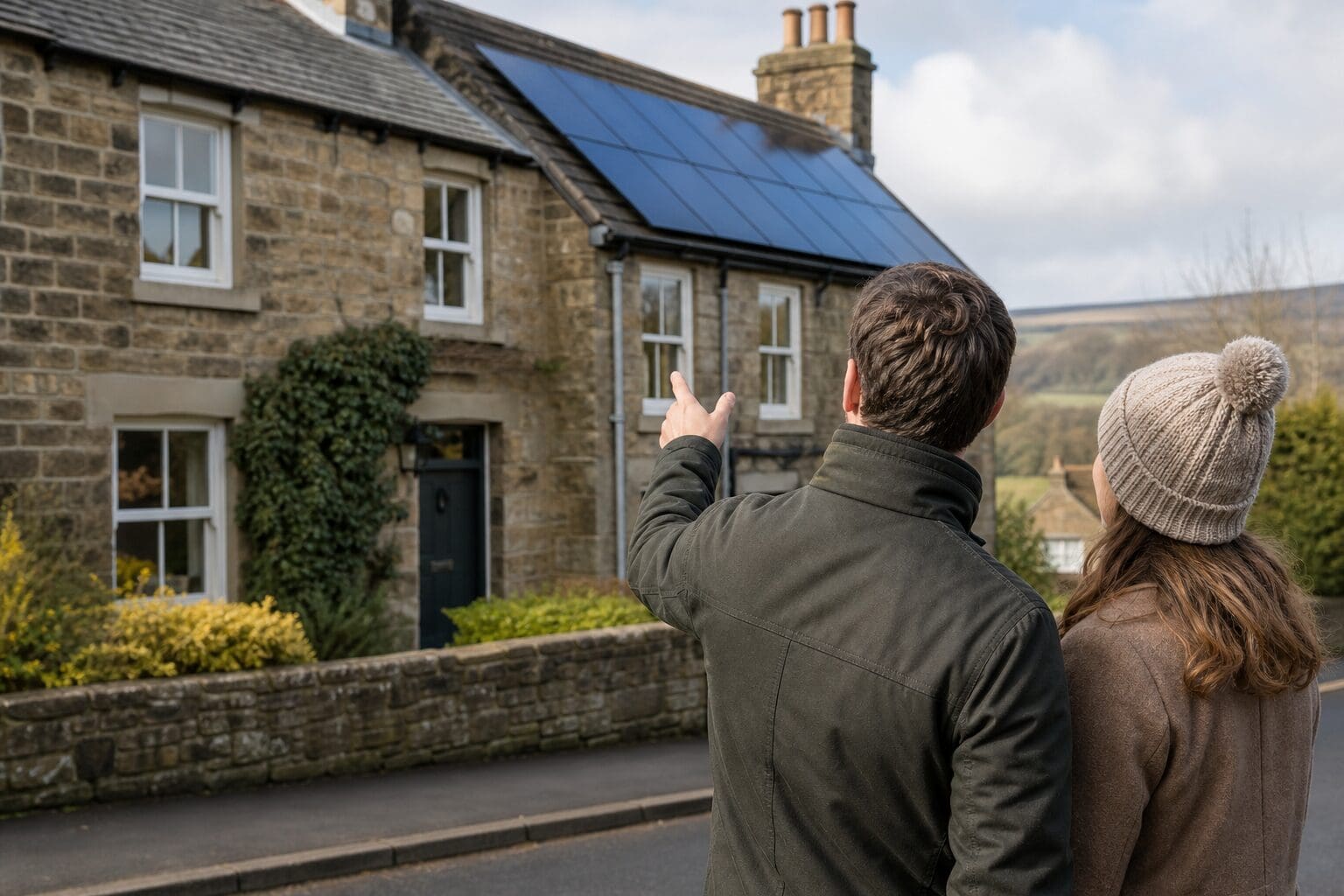
If you are wondering, “ow do you make an older home more energy efficient?”, the answer is usually: improve the building fabric first, then fine-tune heating, hot water, ventilation and everyday habits. Older UK homes can be charming, solid and full of character, but they may also lose heat through roofs, walls, floors, gaps, windows and chimneys. The good news is that many improvements are practical, gradual and suitable for a typical household budget.
ow do you make an older home more energy efficient? Start with the fabric
The “fabric” of a home means the parts that separate the indoors from the outdoors: roof, walls, floors, windows and doors. In an older property, these areas often need attention before you think about new technology.
A common mistake is to replace a boiler or add smart controls while ignoring draughts, poor insulation and cold surfaces. Better heating controls can help, but they cannot stop heat escaping through an uninsulated loft or a badly fitted door. A fabric-first approach makes the home easier and cheaper to heat because the warmth stays inside for longer.
Older homes also need careful handling. Solid walls, suspended timber floors and original windows may behave differently from modern construction. They often need to breathe, which means moisture must be able to move safely through the building. Using unsuitable materials can trap damp, so it is worth understanding the property before making major changes.
Find out where your home is losing energy
Before spending money, build a clear picture of the main problem areas. Some issues are obvious, such as a cold draught under a door. Others are harder to spot, such as missing loft insulation behind stored boxes or poorly sealed pipe openings.
An Energy Performance Certificate can give a broad overview, especially if you have recently bought or rented the home. However, it should not be the only guide. Walk through the house on a cold or windy day and notice where the temperature changes. Check rooms that are slow to warm up, walls that feel cold, and areas where condensation appears.
Useful checks include:
- Looking in the loft to see whether insulation is present, even and dry.
- Feeling around windows, doors, floor edges and loft hatches for draughts.
- Checking whether radiators heat evenly from top to bottom.
- Noting rooms with mould, musty smells or regular condensation.
- Looking for gaps around pipes, cables, skirting boards and old fireplaces.
A simple room-by-room list helps you prioritise. Tackle the biggest heat losses and easiest fixes first, then plan larger work in a sensible order.
Insulation improvements that suit older homes
Insulation is often the most effective way to improve comfort. It reduces heat loss and helps rooms stay warm after the heating switches off. In older homes, the right insulation must suit the building type, condition and ventilation.
Loft and roof insulation
Heat rises, so the loft is a logical place to begin. Many older homes have some insulation, but it may be thin, uneven, compressed or disturbed by storage. Insulation works best when it is laid continuously, without large gaps, and when it remains dry.
If the loft is used for storage, boarding directly over insulation can squash it and reduce performance. Raised loft boarding can help preserve insulation depth while still allowing light storage. The loft hatch is also worth attention, as it can leak warm air into the roof space.
Ventilation in the roof space matters. Blocking eaves ventilation can cause condensation and timber problems. Any insulation upgrade should keep airflow where the roof design needs it.
Wall insulation
Wall insulation depends heavily on the type of wall. Many later homes have cavity walls, where insulation may be possible if the cavity is suitable. Many older UK properties have solid walls, which need a different approach.
Solid wall insulation can be fitted internally or externally. Internal insulation may reduce room size and affect skirting boards, sockets and decorative details. External insulation changes the outside appearance and may not suit every property, especially where there are heritage features or planning restrictions.
Breathable materials are often important in traditional buildings. Lime plaster, vapour-open insulation systems and careful detailing may be more suitable than modern impermeable layers in some homes. Damp issues should be investigated before insulating, because insulation should not be used to hide defects such as leaking gutters, high ground levels or damaged pointing.
Floor insulation
Suspended timber floors are common in older houses. They can feel cold because air moves under the floorboards. Insulating between joists can improve comfort, but it must be done without blocking essential ventilation under the floor. Air bricks and subfloor airflow help protect timber from damp and rot.
For solid floors, insulation is more disruptive. It may be considered during renovation, especially if the floor is being replaced anyway. Rugs and good underlay are not a substitute for proper insulation, but they can improve comfort in living spaces and bedrooms.
Stop draughts without sealing the house too tightly
Draught-proofing is one of the most approachable energy improvements. It targets uncontrolled air leaks that make rooms feel chilly. Unlike planned ventilation, draughts are accidental, uncomfortable and wasteful.
Common draught points include:
- Gaps around external doors, letterboxes and keyholes.
- Window frames, especially older timber or sash windows.
- Floorboard gaps and skirting board edges.
- Loft hatches and access panels.
- Unused chimneys and fireplace openings.
- Pipework and cable holes through walls or floors.
Draught-proofing strips, brush seals, chimney balloons or chimney sheep, sealants and well-fitted door curtains can all help in the right place. The aim is not to make the home airtight at all costs. Kitchens, bathrooms, open-flued appliances and rooms with moisture need safe ventilation.
If a home has gas fires, open fires, wood burners or older combustion appliances, be especially cautious. These may need a reliable air supply. Ventilation and carbon monoxide safety should never be compromised for energy savings.
Improve windows and doors carefully
Windows are often a major concern in older homes, particularly where original single glazing is still in place. Replacing them is not always the only option. Repair, draught-proofing and secondary glazing can make a noticeable difference while keeping the character of the building.
Secondary glazing adds an extra layer inside the existing window. It can reduce draughts, improve comfort and help with noise. It is often useful where original windows are worth preserving or where full replacement is restricted.
Heavy lined curtains, shutters and thermal blinds can also help at night. They should not trap moisture against cold glass for long periods, so regular airing and condensation management still matter.
External doors deserve attention too. A poorly fitted front door can leak a surprising amount of heat. Seals, threshold strips and letterbox covers are modest measures, but they can make hallways feel far less draughty.
Heating and hot water upgrades
Once the home holds heat better, heating systems can work more efficiently. For many older homes, this means checking the existing system before considering major replacement.
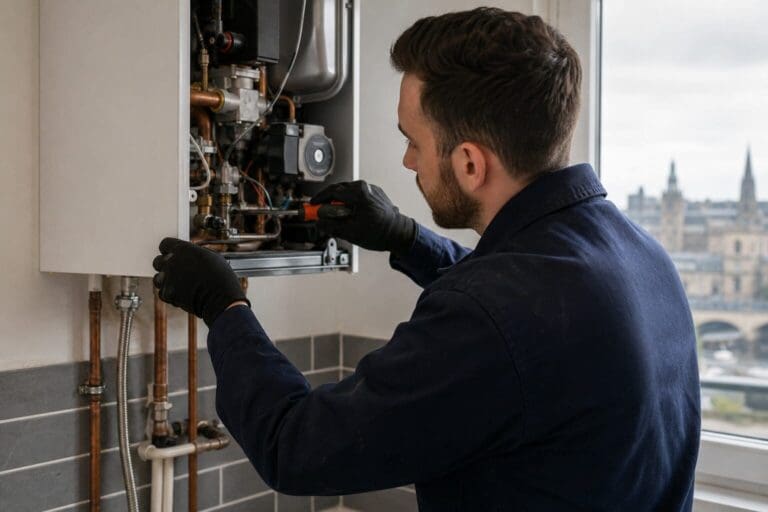
A heating engineer can assess whether the boiler, radiators, pipework and controls are working properly. Sludge in radiators, poor balancing or weak controls can make rooms heat unevenly. Sometimes a system service, radiator balancing and better controls improve comfort without changing the whole system.
Good heating control usually includes:
- A programmer or timer that matches household routines.
- A room thermostat positioned away from draughts and direct heat.
- Thermostatic radiator valves in suitable rooms.
- Sensible zoning in larger homes, where practical.
- Regular maintenance for boilers and hot water cylinders.
Hot water efficiency matters too. Insulating a hot water cylinder, where present, and lagging accessible hot water pipes can reduce heat loss. Shorter showers, efficient shower heads and fixing dripping hot taps can reduce demand without making the home feel less comfortable.
Heat pumps may be suitable for some older homes, but the property usually needs good insulation, appropriate radiators or underfloor heating, and careful design. They are not a quick fix for a draughty, poorly insulated house.
Ventilation, damp and indoor comfort
Energy efficiency should go hand in hand with a healthy indoor environment. Older homes can suffer from damp for many reasons: leaks, blocked gutters, poor drainage, cold surfaces, inadequate ventilation or lifestyle moisture from cooking, drying clothes and bathing.
When insulation and draught-proofing are added, moisture management becomes even more important. Warm air holds moisture, and when it meets a cold surface, condensation can form. This is why cold corners, window reveals and external walls are common trouble spots.
Practical moisture control includes using extractor fans, keeping trickle vents open where fitted, drying clothes with ventilation, and heating rooms consistently enough to avoid very cold surfaces. It also means fixing building defects. A leaking downpipe or cracked render can undermine even the best energy plan.
In traditional homes, breathable repairs are often important. Hard cement pointing on old brick or stone, for example, can sometimes contribute to trapped moisture. The right repair depends on the building, but the principle is simple: deal with damp causes, not just damp symptoms.
Low-cost habits that support bigger improvements
Not every improvement needs building work. Everyday choices can support energy efficiency, especially when combined with insulation and draught-proofing.
Small, practical habits include closing internal doors to keep heat where it is needed, using curtains well, setting heating schedules carefully and avoiding overheating spare rooms. Moving furniture away from radiators helps warm air circulate. Bleeding radiators when they contain air can also improve performance.
Appliances and lighting play a part, although space heating is usually the larger concern in older homes. LED bulbs, full washing loads, lower-temperature laundry where suitable, and switching off unused devices can all help reduce electricity use.
These habits should not make the home uncomfortable or unhealthy. A cold, under-heated property can create problems, particularly for older people, children and anyone with health concerns. The aim is efficient comfort, not simply using as little energy as possible.
Planning improvements in the right order
A staged plan is often best. It prevents wasted spending and helps avoid conflicts between measures. For example, it is better to fix roof leaks before adding loft insulation, and better to understand ventilation before sealing lots of draughts.
A sensible order might be:
- Repair obvious defects, including leaks, gutters, pointing and damaged roof areas.
- Improve loft insulation and draught-proofing where safe and suitable.
- Address windows, doors and unused chimneys.
- Consider wall and floor insulation with specialist advice where needed.
- Improve heating controls, system balancing and hot water insulation.
- Review larger upgrades, such as new heating systems, once heat loss is lower.
Homes with listed status, conservation area limits or unusual construction may need extra care. The most energy-efficient solution is not always the most appropriate one if it damages historic fabric or creates damp risk.
Frequently Asked Questions
Is it worth insulating an old house?
Yes, it is often worth insulating an old house, provided the materials and methods suit the building. Loft insulation and draught-proofing are common starting points, while wall and floor insulation need more careful assessment. The key is to improve warmth without trapping moisture or damaging original materials.
Can draught-proofing cause damp?
Draught-proofing can contribute to damp if it removes necessary ventilation and moisture has nowhere to escape. However, well-planned draught-proofing targets unwanted gaps while keeping proper ventilation in kitchens, bathrooms and rooms with fuel-burning appliances. Balance is important for both comfort and indoor air quality.
Should I replace old windows with double glazing?
Not always. Replacement double glazing can improve performance, but repair, draught-proofing and secondary glazing may be better for some older properties. This is especially true where original windows add character or planning rules apply. The best choice depends on condition, budget, appearance and building constraints.
What is the first thing to do in a cold older home?
Start by finding the main heat loss points and checking for basic defects. Look at loft insulation, draughts, windows, doors, chimneys and heating controls. Also check for damp, leaks or blocked ventilation. Simple repairs and low-cost draught-proofing often make the next improvements more effective.
Do older homes need to breathe?
Many older homes manage moisture differently from modern sealed buildings, so breathability can be important. This does not mean they should be draughty or cold. It means repairs, insulation and ventilation should work with the building’s materials, allowing moisture to move safely and dry out when needed.