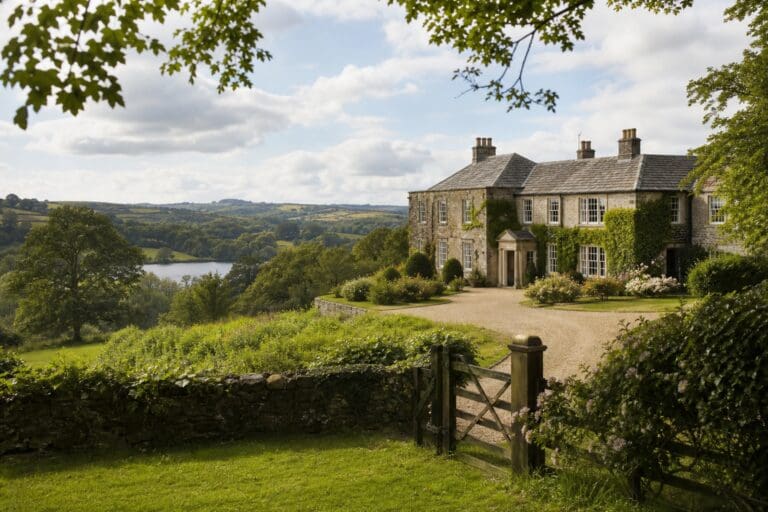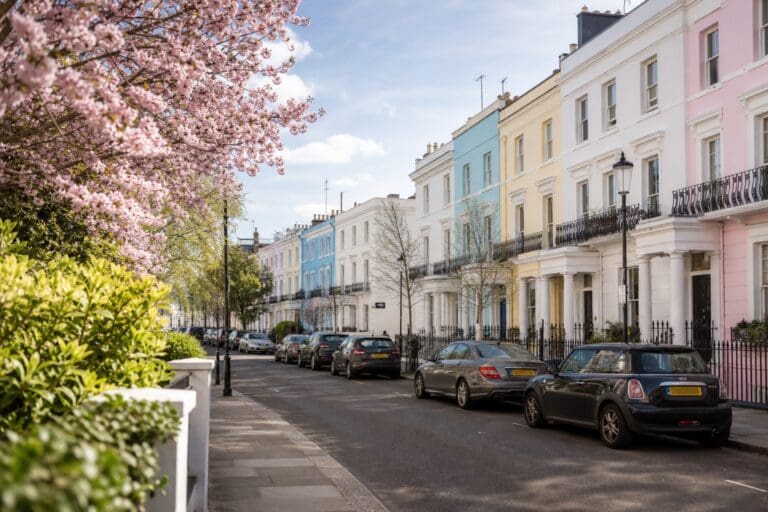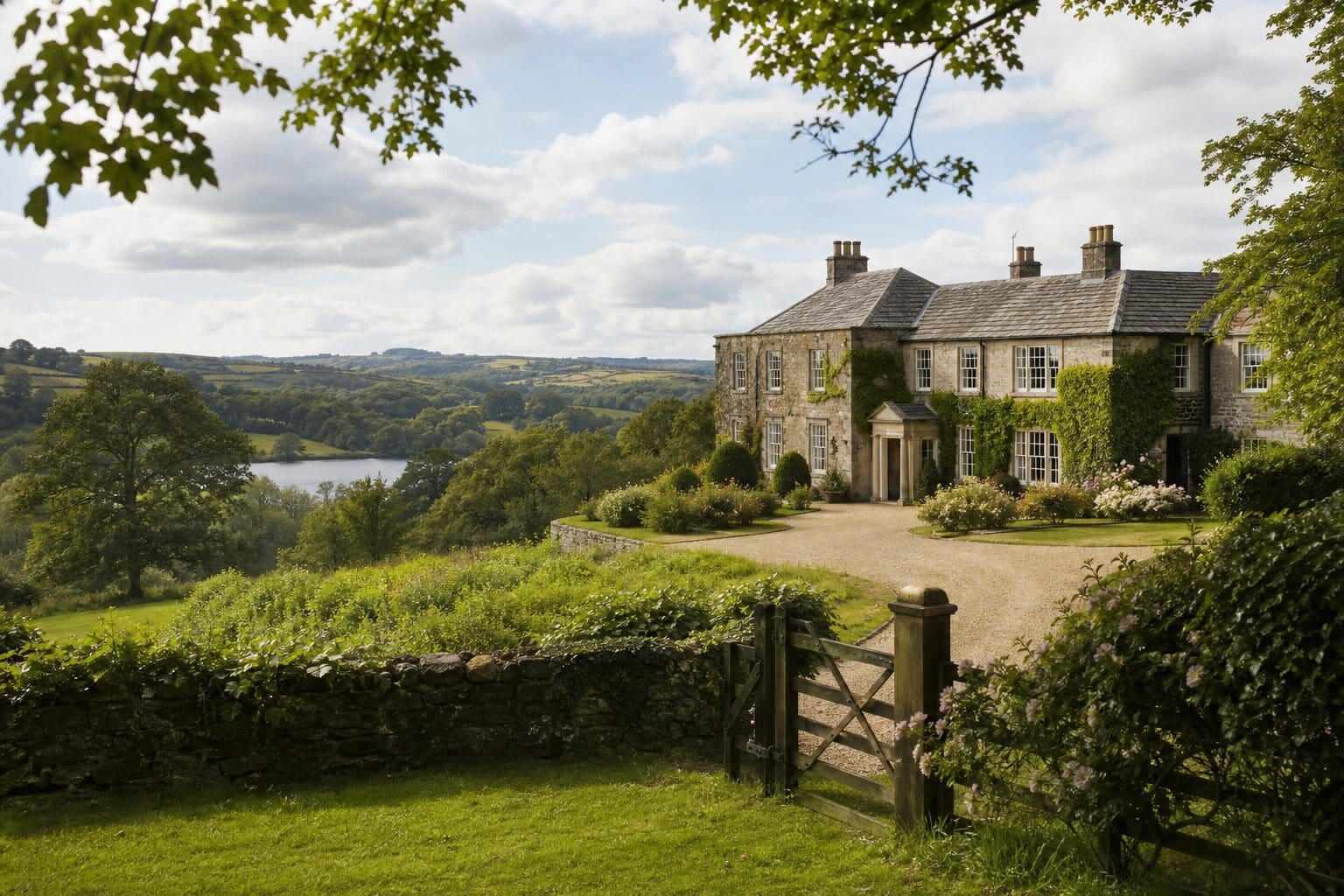
Where do British celebrities buy their countryside homes? The short answer is: in beautiful places with privacy, good travel links, strong local character and enough space to live quietly. From honey-stone Cotswold villages to discreet Home Counties estates and windswept coastal retreats, famous buyers often choose the same rural qualities many people want: peace, views, good pubs, attractive houses and a sense of escape from the city.
Where do British celebrities buy their countryside homes? The main patterns
British celebrities do not all head to one secret village. Their countryside choices tend to follow lifestyle, work and family needs. Actors may want access to London for filming, theatre or meetings. Musicians and writers may prefer somewhere remote enough for creative focus. Presenters and sports figures often look for easy routes to airports, studios or training facilities.
There is also a difference between a full-time country home and a weekend base. Some celebrities use the countryside as a regular retreat, while others settle there more permanently once their work is less tied to a daily city routine.
The most popular celebrity countryside locations usually share several features:
- Privacy without total isolation, such as a house at the edge of a village or down a long private drive.
- Good access to London, often by train, motorway or private travel routes.
- Architectural appeal, including farmhouses, manor houses, converted barns and period cottages.
- Strong local amenities, from excellent food shops to pubs, schools and country clubs.
- A social scene that respects privacy, where well-known residents are not treated as a spectacle.
For ordinary buyers, these patterns are useful because they show what makes a rural area desirable beyond fame. Celebrity interest often follows practical quality of life.
The Cotswolds: the classic celebrity countryside choice
The Cotswolds is probably the area most associated with British celebrity country living. It covers parts of Gloucestershire, Oxfordshire, Warwickshire, Wiltshire and Worcestershire, and is known for rolling hills, limestone villages, market towns and large period houses.
Its appeal is easy to understand. The Cotswolds looks rural but is not cut off. Many villages are within reach of London, Birmingham, Oxford and Bristol. That makes it practical for people who need countryside calm without giving up professional access.
Public reporting over the years has connected a number of well-known British figures with the wider Cotswolds area. The region has also become known for a particular kind of discreet glamour: muddy boots, excellent interiors, private members’ clubs, farm shops and restored country houses.
Chipping Norton, Great Tew and the smart village circuit
North Oxfordshire and nearby Gloucestershire have become shorthand for fashionable countryside life. Places around Chipping Norton, Great Tew, Kingham, Burford and Stow-on-the-Wold attract attention because they combine beautiful scenery with a polished social infrastructure.
This does not mean every lane is lined with celebrities. Much of the region remains agricultural, local and understated. However, the mix of period homes, tasteful renovations and easy access to London has made it a strong fit for famous buyers who want a rural base that still feels connected.
Villages in this part of the Cotswolds also offer a kind of anonymity. Locals are used to visitors, second-home owners and well-known faces, so celebrity presence can feel less disruptive than it might in a quieter, less visited area.
What draws famous buyers here?
The Cotswolds delivers a combination that is hard to beat. Its landscapes are instantly recognisable, yet many homes sit behind gates, trees or long garden walls. It is rural but sociable, traditional but stylish.
For celebrities, the biggest attractions include:
- Large homes with land, suitable for families, guests, animals, studios or outdoor entertaining.
- Villages with atmosphere, where a pub, church, green or farm shop creates everyday charm.
- Good road and rail access, especially towards London, Oxford and the Midlands.
- A refined but relaxed image, which suits actors, media figures, designers and musicians.
- Privacy culture, where well-known residents can blend into a busy country setting.
For buyers more generally, the Cotswolds can be competitive and expensive, especially in its most famous villages. Yet it remains popular because it offers a complete countryside lifestyle rather than scenery alone.
Home Counties and commuter-belt countryside
Not every celebrity wants to be two or three hours from the capital. Many prefer the Home Counties because they offer greenery, privacy and large houses while keeping London close. Surrey, Berkshire, Buckinghamshire, Hertfordshire, Kent, Essex and Sussex all have rural pockets that appeal to high-profile buyers.
This countryside is different from the Cotswolds. It can be less chocolate-box and more practical, with fast rail links, international schools, major roads and access to airports. For celebrities with regular filming, media work, business interests or children in school, that convenience matters.
Surrey Hills, Sussex Weald and Buckinghamshire villages
The Surrey Hills are particularly attractive because they offer woodland, views, villages and substantial detached homes within reach of London. Parts of Sussex offer a softer, more bohemian countryside feel, with artistic towns, converted farm buildings and coastal access. Buckinghamshire has long appealed to people seeking grand houses, commuter convenience and leafy privacy.
These areas are less about being publicly fashionable and more about being functionally ideal. A celebrity can live in a secluded house, drive into London when needed, and still enjoy fields, horses, gardens and quiet weekends.
Why discretion matters more than glamour
In the Home Counties, the prized property is often not the most visible one. Privacy is a form of luxury. A house hidden by mature trees, reached by a private lane and set back from neighbours can be more desirable than a famous village address.
Security can also shape decisions. Well-known residents may prefer properties with controlled access, enclosed gardens and room for staff or family members. They may also avoid houses that are too close to public footpaths, busy roads or tourist viewpoints.
For ordinary buyers, the lesson is clear: the best countryside home is not always the prettiest one in photographs. Layout, access, boundary lines and day-to-day convenience can matter just as much as kerb appeal.
Coasts, wild landscapes and quieter counties
While the Cotswolds and Home Counties receive plenty of attention, many celebrities choose places that feel less polished. Coastlines, moors, islands and remote valleys offer a deeper form of escape. These homes may be less convenient, but they provide space, anonymity and a break from public life.
The West Country is a strong example. Devon and Cornwall appeal to people who love the sea, surfing, walking and slower village life. Dorset offers dramatic coast and countryside with a gentler travel distance from London. Somerset has a creative, relaxed reputation, particularly around certain market towns.
East Anglia also attracts those who want space and understated beauty. Norfolk and Suffolk offer wide skies, beaches, marshes, old farmhouses and villages that can feel quietly sophisticated without being showy.
Further north and west, Wales, the Lake District, Yorkshire and Scotland provide even more dramatic scenery. These locations can suit celebrities who value nature over convenience.
Popular rural and coastal draws include:
- Devon and Cornwall, for beaches, cliffs, fishing villages and a holiday-house atmosphere.
- Norfolk and Suffolk, for privacy, open landscapes, sailing, birdlife and handsome old houses.
- Dorset and Somerset, for countryside charm, coast access and creative communities.
- Yorkshire and the Lake District, for rugged scenery, walking and distinctive regional identity.
- Wales and Scotland, for remoteness, mountain views, estates and genuine seclusion.
These areas can be especially attractive to writers, artists, musicians and people whose work can travel with them. They are also appealing for families who want children to experience outdoor freedom away from intense public attention.
What makes a celebrity-friendly rural location?
A celebrity-friendly countryside area is not simply one with expensive houses. It needs to support an unusual balance: public interest and private life. The most successful locations allow famous residents to be present without becoming the main event.
Privacy begins with property design. Long drives, courtyards, walled gardens, barns and outbuildings can all help create separation from the outside world. Mature trees and natural landforms often matter more than high fences, because they provide screening without making a home look defensive.
Community attitude is just as important. In many desirable rural areas, people are used to high-profile residents, wealthy buyers, creative workers and second-home owners. A calm local culture can make it easier for celebrities to use the village shop or walk the dog without fuss.
Good food and hospitality also play a part. Country pubs, restaurants, farm shops and small hotels create a social scene that does not require a trip back to London. For famous residents, this means countryside life can be both peaceful and comfortable.
Then there is transport. A very remote cottage may sound romantic, but regular work commitments can make it impractical. That is why many celebrity homes sit within reach of a main road, railway station or airport, even if they look wonderfully tucked away.
How celebrity choices affect ordinary buyers
Celebrity interest can raise the profile of a village or region. A place that appears regularly in lifestyle magazines, property pages or entertainment coverage may attract more buyers looking for the same atmosphere. This can increase competition, particularly for period homes in attractive settings.
However, it would be too simple to say celebrities alone make rural areas expensive. Many of these places were already desirable because of their scenery, architecture, schools, transport and quality of life. Famous buyers often arrive because an area is already established, not because they discovered it first.
For consumers browsing countryside property, celebrity locations can be helpful inspiration, but they should not become the whole brief. A famous postcode may not suit everyday needs. The prettiest village may be crowded in summer, short on parking or far from essential services.
It is better to look at the underlying reasons celebrities choose certain places. Do they offer privacy? Are they well connected? Is there a strong local community? Are the houses adaptable? Is the landscape genuinely enjoyable throughout the year?
A sensible countryside search considers both romance and routine. Mud, winter roads, local planning rules, maintenance costs and limited public transport are all part of rural life. The dream works best when the practical details are taken seriously.
Frequently Asked Questions
Which countryside area is most popular with British celebrities?
The Cotswolds is the area most closely linked with British celebrity countryside homes. Its mix of attractive villages, large houses, privacy and access to London makes it especially appealing.
Do celebrities live full-time in their countryside homes?
Some do, but many use countryside homes as weekend retreats or family bases. Work commitments, schooling and travel often decide how much time they spend there.
Are celebrity countryside villages always more expensive?
They are often expensive, but not only because celebrities buy there. Good scenery, period housing, transport links and limited supply usually play a bigger role in pricing.
Do famous buyers prefer old houses or new-build homes?
Many are drawn to period farmhouses, manor houses and converted barns, but practical comfort matters too. Renovated homes with modern heating, security and flexible space can be just as attractive.
Can celebrity interest change the feel of a rural village?
Yes, it can bring attention, higher demand and more visitors in some places. Even so, many villages remain grounded when local life, farming and long-term residents stay central.