Why is Notting Hill one of London's most desirable areas? The answer lies in its rare mix of beauty, culture, village-like charm and central London convenience. It is polished without feeling bland, famous without losing its character, and lively while still offering quiet residential streets. For many people, Notting Hill represents an ideal version of city living: colourful homes, independent shops, leafy corners, excellent food, strong transport links and a social scene with genuine personality.
Why is Notting Hill one of London's most desirable areas? The short answer
Notting Hill stands out because it balances several qualities that are difficult to find in one London neighbourhood. It feels elegant, but not stiff. It is fashionable, but also practical. It has international recognition, yet much of daily life still happens around local cafés, markets, schools, gardens and familiar streets.
Its desirability is also helped by location. Sitting in west London, close to Kensington, Holland Park, Bayswater, Maida Vale and Paddington, Notting Hill offers access to some of the capital’s best amenities while keeping a distinct identity of its own. Residents can enjoy a weekend stroll along Portobello Road, a relaxed brunch on Westbourne Grove, or a peaceful walk towards Kensington Gardens without leaving the area’s rhythm behind.
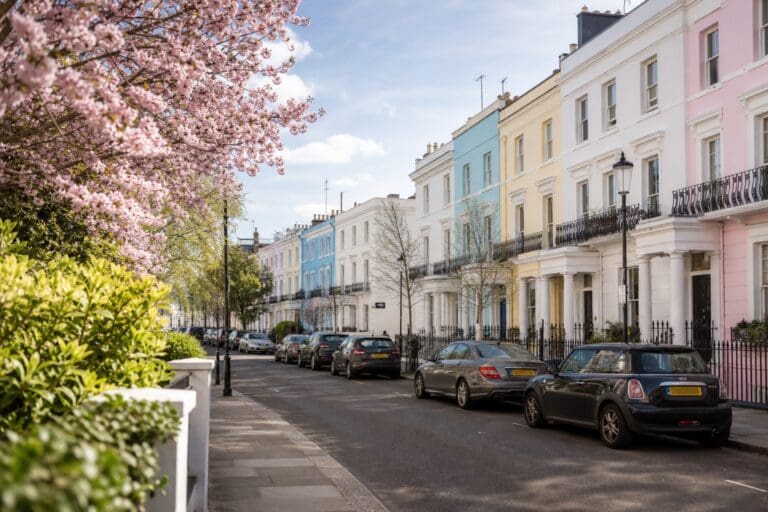
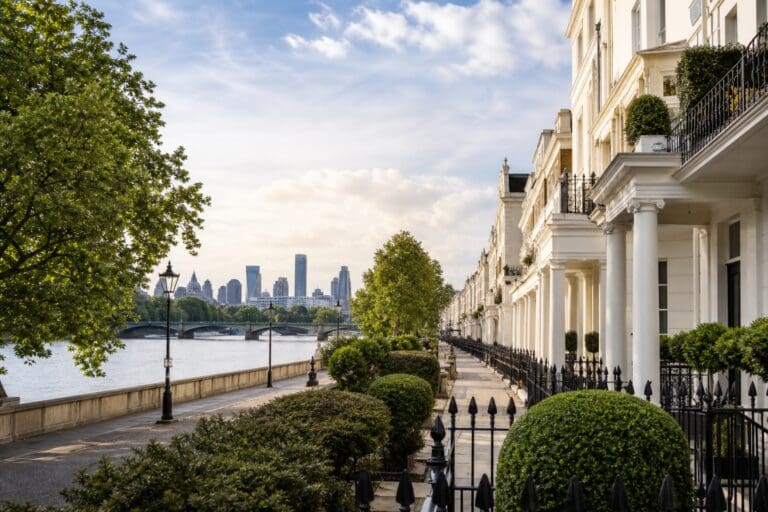
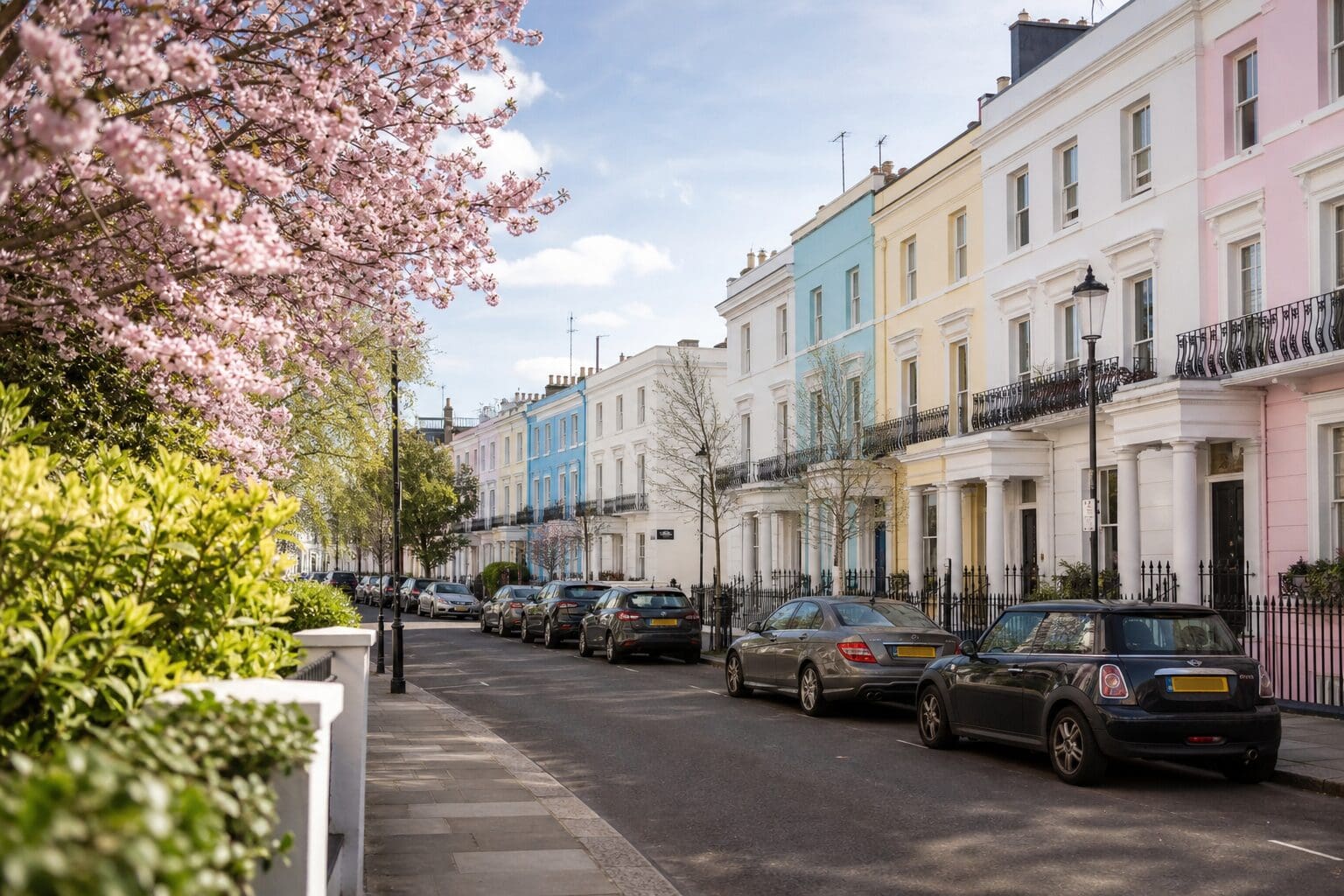
The architecture plays a major role too. Streets of stucco-fronted townhouses, pastel terraces, private garden squares and handsome mansion blocks give Notting Hill a visual appeal that is instantly recognisable. It is one of the few places in London where the everyday street scene often feels cinematic.
A neighbourhood with unmistakable character
Notting Hill’s charm is not based on one feature alone. It comes from layers of history, design, culture and daily life. The area has changed over time, but it has kept a distinctive spirit that sets it apart from more uniform parts of the capital.
Colourful streets and elegant homes
One of Notting Hill’s strongest attractions is its architecture. Many streets are lined with period houses painted in soft shades, from pale blue and sage green to cream, pink and yellow. This creates a warm and welcoming feel, especially around areas such as Lancaster Road, Denbigh Terrace and the streets near Portobello Road.
The housing mix also adds to its appeal. There are grand family homes, converted flats, mews houses, mansion apartments and modernised period properties. For buyers and renters, this variety means the area can suit different stages of life, though it remains one of London’s more expensive neighbourhoods.
Beyond appearance, many homes are close to garden squares and green spaces. These pockets of calm are highly prized in central London, especially by people who want the convenience of the city without losing a sense of privacy and breathing room.
A village feel within a global city
Despite its fame, Notting Hill often feels more like a collection of small villages than one large district. Westbourne Grove has a polished, boutique atmosphere. Portobello Road is more eclectic and energetic. Ladbroke Grove has a creative edge. Around Pembridge Road and Notting Hill Gate, the mood becomes more connected and urban.
This variety means residents can shape their own version of the area. Some come for quiet residential streets and garden squares. Others love the market culture, the cafés, the galleries and the buzz. That ability to offer different lifestyles within walking distance is a major reason why the area remains so sought after.
Portobello Road, markets and independent shopping
Portobello Road is one of Notting Hill’s defining features. Known for antiques, vintage finds, food stalls and colourful shopfronts, it gives the neighbourhood a sense of movement and discovery. The market changes in mood through the week, with busier periods attracting visitors and quieter moments serving local routines.
What makes the shopping scene special is its mixture of the practical and the pleasurable. You can find fresh produce, flowers, second-hand fashion, homeware, books, jewellery and specialist food shops in the same general area. This variety helps Notting Hill feel lived-in rather than simply decorative.
Popular features of the local shopping scene include:
- Antiques and vintage stalls along Portobello Road, especially appealing to collectors and casual browsers.
- Independent boutiques offering fashion, interiors, gifts and lifestyle goods with a more personal feel than chain-heavy high streets.
- Food shops and bakeries that support everyday life, from weekend treats to weekday essentials.
- Bookshops and specialist stores that add cultural depth and local individuality.
- Market stalls that bring colour, conversation and a changing mix of goods to the streets.
Westbourne Grove adds another layer. It is known for stylish shops, cafés and restaurants, making it one of the area’s most attractive streets for relaxed shopping and dining. Its appeal is less hectic than central shopping districts, which is part of the charm.
Food, drink and an easy social life
Notting Hill is a strong choice for people who enjoy eating out, meeting friends and spending time locally. The area offers everything from casual cafés and neighbourhood pubs to elegant restaurants and lively bars. It is not dependent on one dining style, which makes it useful for everyday living as well as special occasions.
Morning coffee, late breakfast, quick lunches, relaxed dinners and Sunday roasts are all easy to find. Many streets invite slow wandering, and the area rewards people who enjoy discovering smaller venues tucked away from the most famous routes.
The social life is also supported by the layout of the neighbourhood. Streets are walkable, public transport is close, and several nearby areas add more options. Residents can stay local or move easily towards Kensington, Paddington, Shepherd’s Bush, Marylebone or central London.
This is one reason Notting Hill appeals to a wide range of people, including professionals, families, creatives and international residents. It offers sociability without forcing it. You can enjoy a busy weekend atmosphere, then return to a quieter side street within minutes.
Culture, cinema and the Notting Hill identity
Notting Hill has a cultural reputation that reaches far beyond west London. It is associated with film, fashion, music, art and one of the capital’s most famous annual events. This recognition gives the area an extra layer of appeal, but its culture is not just about image.
The neighbourhood has long attracted creative people, and that influence can still be felt in its galleries, independent shops, music venues, bookshops and street life. The area’s character is not perfectly polished, and that is part of its attraction. It has contrasts, movement and a sense of history.
Notting Hill Carnival is central to this identity. Celebrating Caribbean culture, music and community, it brings colour and energy to the streets each year. While the event draws large crowds, it is also part of the area’s wider story and one of the reasons Notting Hill is known around the world.
The neighbourhood’s film associations have also shaped public imagination. Many visitors arrive with a romantic image of pastel houses, bookshops and leafy streets. Yet for residents, the lasting appeal is more practical and textured: culture is present, but daily life still matters.
Green space and a calmer side of London
For such a well-connected area, Notting Hill offers good access to greenery. This matters deeply in London, where desirable neighbourhoods often need to provide relief from traffic, noise and density.
Residents are close to several attractive outdoor spaces. Holland Park is nearby, offering woodland areas, formal gardens and open lawns. Kensington Gardens and Hyde Park are also within reach, depending on where in Notting Hill someone lives. Smaller communal gardens and garden squares add further calm, particularly around the area’s residential streets.
This access to green space supports a healthier and more relaxed lifestyle. It suits dog owners, runners, families with children and anyone who values a quiet walk after work. Even when Portobello Road is busy, it is usually possible to find a peaceful corner nearby.
The contrast between lively streets and leafy calm is one of Notting Hill’s greatest strengths. It allows the area to feel vibrant without becoming overwhelming.
Transport and everyday convenience
Notting Hill is not just beautiful; it is also practical. Strong transport connections make it appealing for commuters, students, frequent travellers and anyone who needs to move easily around London.
Notting Hill Gate station connects to the Central, Circle and District lines. Ladbroke Grove and Westbourne Park connect to the Circle and Hammersmith & City lines. Nearby stations such as Bayswater, Queensway, Holland Park and Paddington add more options depending on the exact address.
Buses, cycling routes and walkable streets further improve day-to-day convenience. Many errands can be handled locally, which reduces the need to travel for every small task. Supermarkets, pharmacies, gyms, schools, nurseries, dry cleaners and medical services are all part of the wider neighbourhood fabric.
This combination of beauty and practicality is important. Some London areas are attractive but inconvenient. Others are well connected but lack charm. Notting Hill offers both, which helps explain its lasting demand.
Who is Notting Hill best suited to?
Notting Hill attracts a broad mix of residents, though its price levels mean it is not accessible to everyone. Those who are drawn to it often value atmosphere as much as square footage. They want a neighbourhood that feels special, walkable and rich in local life.
It can suit:
- Professionals who want central access, strong transport links and a lively local dining scene.
- Families who value residential streets, nearby parks and a neighbourhood with daily amenities.
- Creative residents who enjoy independent shops, cultural energy and visually inspiring surroundings.
- International buyers and renters who recognise Notting Hill’s name and appreciate its London character.
- Downsizers who want a refined but active area with cafés, shops and transport close by.
The area may feel too busy for those seeking complete quiet, especially near the market or during major events. However, its many side streets and garden squares offer a more peaceful version of Notting Hill for those who prefer calm.
Frequently Asked Questions
Is Notting Hill a good place to live?
Yes, Notting Hill is widely regarded as a very good place to live, especially for people who value character, convenience and culture. It offers attractive streets, strong transport links, respected local amenities, varied restaurants and easy access to green space. The main drawback is cost, as it is one of London’s more expensive residential areas.
Why is Notting Hill so famous?
Notting Hill is famous for Portobello Road Market, colourful houses, Notting Hill Carnival and its strong cultural identity. It has also been shaped by film, fashion, music and a long history of creative communities. Its visual charm and lively street life make it one of London’s most recognisable neighbourhoods.
Is Notting Hill suitable for families?
Notting Hill can be suitable for families, particularly those who want parks, local shops and a walkable neighbourhood. Many residential streets feel calm and attractive, with access to nearby green spaces such as Holland Park and Kensington Gardens. As with much of central London, property size and affordability can be important considerations.
What is the best thing about Notting Hill?
The best thing about Notting Hill is its balance of energy and elegance. Few London areas combine beautiful architecture, independent shopping, cultural life, good food, transport links and green space so naturally. It feels distinctive without being isolated, which is a major part of its long-term appeal.
Is Notting Hill only popular with wealthy residents?
Notting Hill is strongly associated with high property prices, but its appeal is broader than wealth alone. Visitors, market traders, long-term locals, creatives and international residents all contribute to its identity. While living there can be expensive, the area’s streets, shops, cafés and cultural events attract a much wider community.