The right kitchen layout design turns daily chores into effortless routines and makes your home feel welcoming. This introduction outlines how a practical kitchen layout can sit comfortably alongside a stylish kitchen design, with guidance tailored for kitchen planning UK projects.
Whether you live in a Victorian terrace or a modern apartment, good kitchen layout ideas start with understanding how you move, prepare and store. Small changes — the position of a sink, a run of Legrabox drawers or a Bosch oven at eye level — influence efficiency and long‑term satisfaction.
This article will walk homeowners and self‑builders through evidence‑based principles, recommended materials such as quartz and engineered oak, and appliance choices from Miele, Neff and Siemens. It also covers planning issues specific to the UK, from typical kitchen sizes to when building regulations or planning permission matters.
By the end you will be able to choose the best footprint for your household, balance ergonomics and style, and draft a phased, budget‑aware plan for delivery. Practical kitchen layout and stylish kitchen design need not be mutually exclusive; thoughtful planning delivers both.
Principles of successful kitchen layout design
Good kitchen layout design blends practical flow with comfortable use. Think of space as a stage for daily routines. Start by mapping how people move, where tasks happen and what must be within easy reach.
Understanding the kitchen work triangle and workflow
The classic work triangle links sink, hob and refrigerator to cut unnecessary steps. Aim for leg lengths of about 1.2–2.7 metres and a total perimeter near 4–7.9 metres, then adapt for modern life. Open-plan kitchens may use multiple mini-triangles or linear flows to support prep, cleanup and social zones.
Map a typical meal: note each step, measure reach and walking distances. Add a secondary sink or beverage station to reduce cross-traffic in busy households.
Balancing ergonomics and movement paths
Design around the user. UK worktop heights usually sit between 90–95 cm, but adjust for the main cook. Choose drawer and shelf depths that match common reach ranges to avoid awkward bending or stretching.
Keep clear walkways: at least 1 metre for single runs and 1.2–1.5 metres for aisles around islands so two people can pass. Place the hob away from busy routes and ensure good extraction and splashback protection for safety.
Consider accessibility: pull-out worktops, mid-height ovens and soft-close drawers make an ergonomic kitchen design kinder to older or mobility-limited users.
Choosing a layout to suit your household’s needs
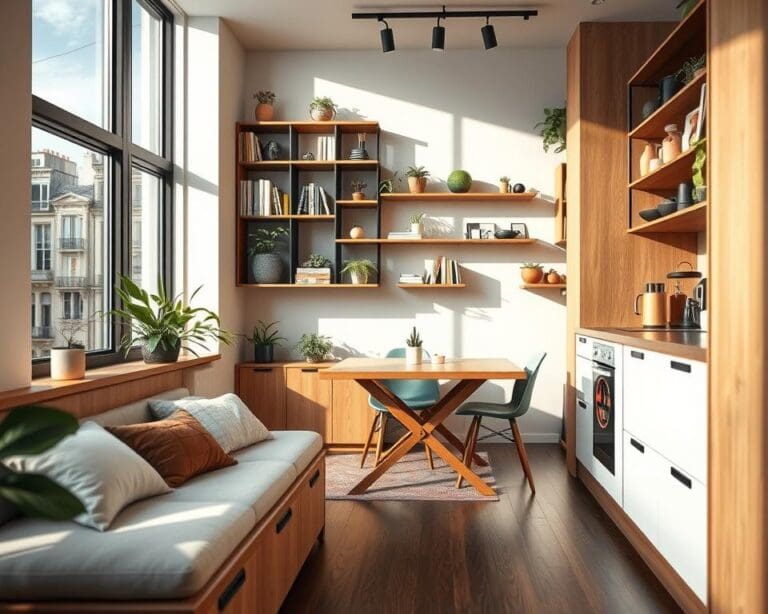
Match kitchen layout types to how you live. A galley suits narrow flats with tight footprints. L-shapes work well for open-plan rooms and create natural seating or dining edges.
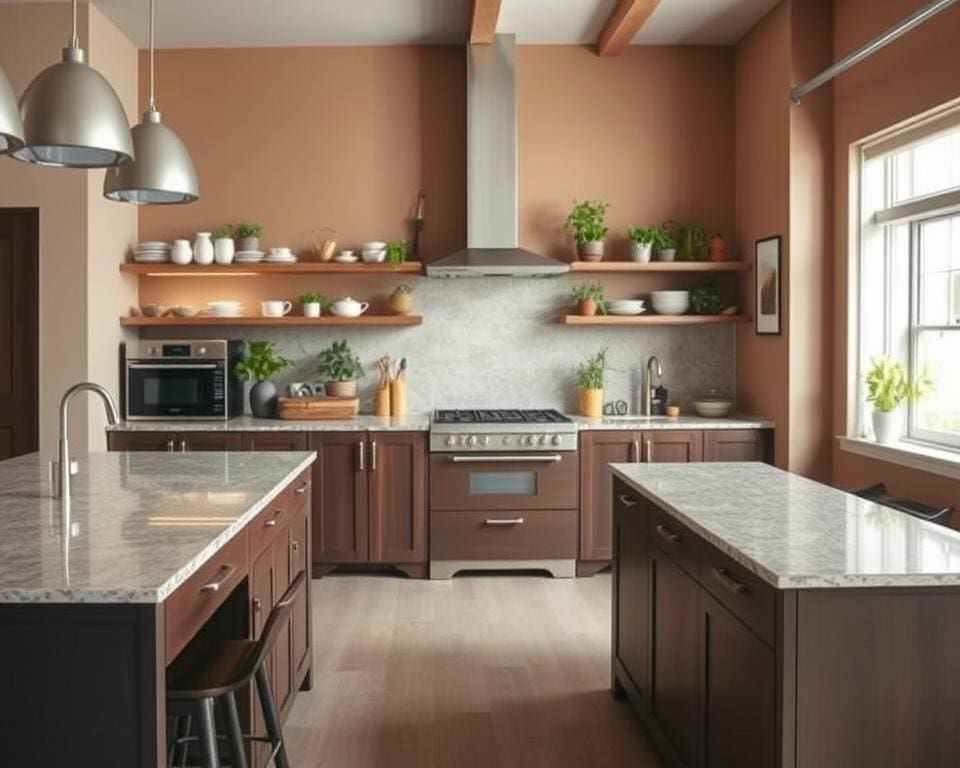
U-shaped kitchens offer lots of surface and storage for larger homes. Islands add prep space and a social hub, but require at least 1.2 metres clearance. Peninsulas give similar benefits where an island is impractical.
Think who cooks. Families that share tasks favour islands and wide aisles. A single cook may prefer a compact, efficient galley. Combine layouts if needed, such as an island with an L-shape for an extension.
Prioritising storage, preparation and cooking zones
Define clear kitchen zones for storage, preparation, cooking and cleaning. Keep dry goods, crockery and pots in distinct areas to speed tasks. Place dishwasher next to the sink to simplify waste connections and loading.
Use deep base drawers, pull-out larders and corner solutions to maximise usable space. Choose durable worktops like quartz or granite for heavy prep zones and reserve secondary surfaces for less demanding tasks.
Integrate segregated bins near prep areas to streamline food waste and recycling. Group ovens and warming drawers together. Good storage planning ensures the right item is always close to its zone.
Styling choices that enhance practicality and visual appeal
Good styling begins with practical choices that lift daily life and create a warm welcome. Select materials and finishes that work hard and look good. Thoughtful decisions about kitchen materials, kitchen finishes and durable kitchen surfaces set the tone for long-term satisfaction.
Selecting durable, stylish materials and finishes
Worktops should balance wear and upkeep. Quartz brands such as Silestone and Caesarstone offer scratch resistance and low maintenance. Granite and marble bring luxury and heat resilience but need occasional sealing. Solid oak or walnut adds warmth and can be re-oiled to refresh the look. Corian and other solid-surface worktops give seamless sinks and easy cleaning.
Cabinet doors vary by budget and style. MDF with a lacquer finish or thermofoil works well for cost-conscious schemes. Painted solid-wood doors suit period homes. Veneer or Fenix laminate doors provide matt, fingerprint-resistant surfaces for modern kitchens. For floors, porcelain is water-resistant and long-lasting, engineered wood offers comfort, and luxury vinyl like Karndean gives cost-effective resilience. Choose soft-close hinges and trusted runners from Blum or Hettich for reliable operation.
Colour palettes and lighting to expand space and mood
Light palettes open small spaces. Whites, soft greys and pale blues reflect daylight and make rooms feel larger. Add a darker island in navy or forest green to anchor the layout and create interest without overwhelming the space. Warm wood tones paired with neutral cabinetry give a cosy, classic feel. Monochrome schemes with brass accents read as contemporary and elegant.
Plan kitchen lighting in layers. Task lighting such as LED under-cupboard strips keeps worktops clear and bright. Recessed downlights provide even ambient light. Pendants over islands add focus and character. Use 2700–3000K for warm, living kitchens and 3000–4000K where brighter, task-focused light is needed. Maximise natural light through window placement and reflective splashbacks to reduce reliance on artificial lighting.
Integrating appliances and clever storage solutions
Integrated appliances keep sightlines clean. Fully integrated fridges and dishwashers hide away, while built-under ovens and slide-away hoods maintain a smooth profile. Brands such as Bosch, Neff and Miele provide reliable, serviceable options across the UK market. Smart appliances bring convenience but weigh their longevity and repair costs against benefits.
Clever storage makes everyday life easier. Tall larders with adjustable shelves, appliance garages for kettles and toasters, and deep drawers for trays help reduce clutter. Pull-out recycling units and corner solutions reclaim wasted space. Choose matt or textured kitchen finishes where fingerprints matter, and limit open shelving to well-managed display zones.
Mixing trends with timeless elements for longevity
Use trends on reversible features: paint colours, handles and splashbacks can be changed at low cost. Invest in solid carcasses, quality worktops and robust plumbing and electrics for lasting performance. Prioritise durable kitchen surfaces and reliable appliances over fleeting fashions to protect both daily use and resale value.
Neutral core palettes and quality fixtures appeal to UK buyers. Decorative tiles or removable wallpapers refresh a scheme without major expense. Aim for a balance that keeps the kitchen feeling current while honouring timeless kitchen design for years to come.
Planning and implementing your kitchen layout
Start with a clear kitchen renovation plan and a realistic kitchen budget UK. Set budget bands—value, mid-range and premium—and apportion funds: cabinets and installation typically take 30–40%, appliances 15–20%, worktops 10–15%, plumbing and electrics 10–15%, with the remainder for finishes. Prioritise durable items and trusted brands such as Bosch, Miele or Neff, and factor professional installation into the figures to protect long-term value.
Gather at least three detailed quotes from reputable UK kitchen companies or local joiners and check trade body memberships like TrustMark or Which? Trusted Traders. Develop scale drawings, elevations and appliance specification sheets that include electrical, plumbing and ventilation positions compliant with Building Regulations. Use Gas Safe-registered engineers for gas work and NICEIC or Part P-qualified electricians where rewiring is needed.
Create a kitchen installation checklist and a realistic kitchen timeline that accounts for lead times on bespoke cabinetry and popular appliances. Plan trades carefully to minimise disruption, sequencing joinery, plumbing and electrics to reduce rework. Conduct pre-install checks—confirm measurements, delivery dates and finish choices—so fabrication and installation run smoothly.
Manage the project with staged inspections: after services, after carcass installation and at final sign-off. Keep warranty documentation and operation manuals at hand for appliances and surfaces, and advise owners on gentle cleaning regimes and servicing schedules. Small future-proofing steps—reserve spare door fronts, modular fittings and extra electrical capacity—help the kitchen adapt and extend its lifespan, turning sound planning into a stylish, practical heart for a UK home.