Choosing the right interior doors is one of the easiest ways to improve the look and comfort of your home. This door buying guide will help you understand how interior doors affect privacy, light flow, sound and the overall aesthetic in houses and flats across the United Kingdom.
You will learn how to choose interior doors to match function, style and budget. The article covers practical steps for accurate measuring, interior door selection between solid wood, engineered wood, MDF and glass, and where options such as pocket or French doors might suit your layout.
Along the way, the guide points you to familiar UK suppliers such as Howdens, Wickes and Benchmarx, and explains which standards and consumer advice — for example from Which? and relevant British Standards — you should check before purchase.
By the end you should be ready to shortlist the best interior doors UK for your home, estimate realistic budget ranges, and make informed choices about hardware, installation and acoustic performance.
Understanding your needs and the role of interior doors
Choosing the right door goes beyond looks. You need to match interior door function to how you live, how rooms connect and how much light and sound you want to control. Think of doors as tools that shape privacy, circulation and atmosphere in your home.
Assessing function: privacy, sound control and light flow
Start by listing the main needs for each opening. Bedrooms and bathrooms demand privacy and soundproofing. Home offices and media rooms benefit from higher acoustic ratings, often expressed as Rw or STC equivalents. Solid-core doors typically give better reduction than hollow-core or thin MDF.
For shared living zones you may want door light flow to preserve sightlines and natural light. Clear glazed panels create openness, while frosted or obscured glass protects privacy in bathrooms. Transoms, louvres and partial glazing help balance ventilation and light.
Remember thermal and safety requirements. Kitchens and utility rooms need doors that handle moisture and grease. Flats and rental properties may be subject to building regulations that require fire-rated doors in communal routes.
Room-by-room considerations: bedrooms, bathrooms, kitchens and living areas
For bedrooms prioritise privacy and sound reduction. Choose thicker doors, solid cores and quality seals. Good locks help in master bedrooms.
Bathrooms should use moisture-resistant finishes or engineered doors. If glazed, pick obscure glass. Fit corrosion-resistant hardware and ensure ventilation prevents rot.
Kitchens face frequent use and splashes. Opt for easy-clean surfaces that tolerate humidity. Glazed options help sightlines between kitchen and dining spaces.
Living areas and hallways lean on style. French or glazed doors increase door light flow and visual connection. Pocket doors save space where swing direction could clash with furniture or circulation.
Measuring and checking door openings for a seamless fit
Careful measuring avoids costly mistakes. Measure width from jamb to jamb, height from floor to underside of the lintel and note panel thickness. Record skirting and threshold depths to allow for trims.
Check for plumb and level with a spirit level. Older homes often need frame adjustments for uneven openings. Note whether frames are rebated or non-rebated and the door hand (left or right).
- Measure height, width and thickness.
- Check plumb, level and obstructions such as radiators.
- Record swing direction, clearance for handles and architrave allowances.
If standard UK door sizes do not fit, consider a bespoke door or a joiner to alter the frame.
Budget planning and prioritising features
Work out a door budget UK before shopping. Economy bands include hollow-core and simple MDF. Mid-range covers veneered or engineered doors. Premium options are solid wood or bespoke designs. Fire-rating, glazing and special finishes push costs higher.
Prioritise spend where it matters most. Invest in bedroom and main reception doors for longevity and feel. Save on utility rooms and secondary doors. Add installation, trimming and hardware to your total so there are no surprises.
Get quotes from national suppliers such as Wickes or Howdens and from local joiners. Check warranties and returns to protect your purchase.
Materials, styles and finishes to match your home
Picking the right door materials UK-wide shapes how your rooms look and feel. Your choice affects light, sound and upkeep. This short guide helps you weigh common options so you can match style with performance.
Common materials
Solid wood interior doors, such as oak or pine, give a premium look and can be sanded and refinished over time. They respond to humidity so they suit stable interiors where longevity matters.
Engineered wood doors use a plywood or veneered composite face. They resist warping better than solid timber and often cost less while keeping a genuine timber appearance.
MDF doors offer a smooth surface that takes paint well. MDF doors work for detailed mouldings and are cost-effective. Hollow-core MDF options cut weight but reduce sound insulation.
Glazed options include fully glazed or part-glazed panels. Glazed interior doors can use clear, frosted, bevelled or wired glass. Safety glass like toughened or laminated is recommended for internal glazing.
Style options
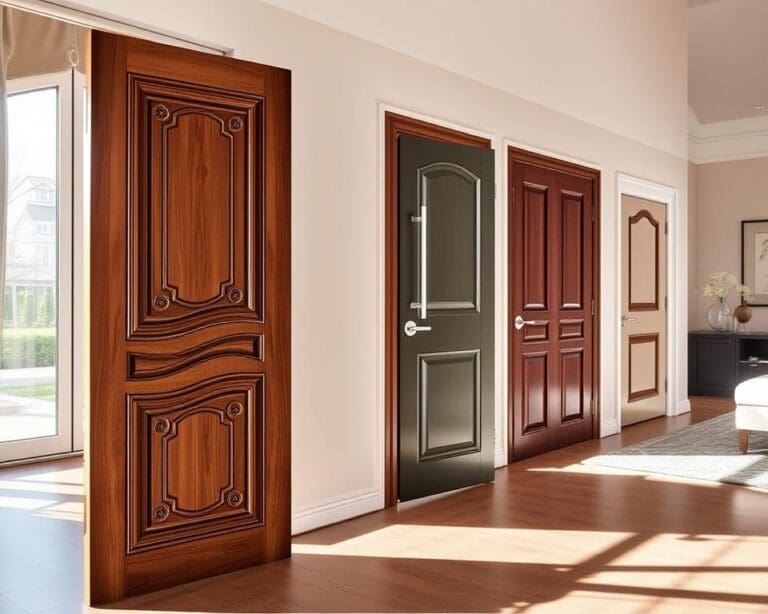
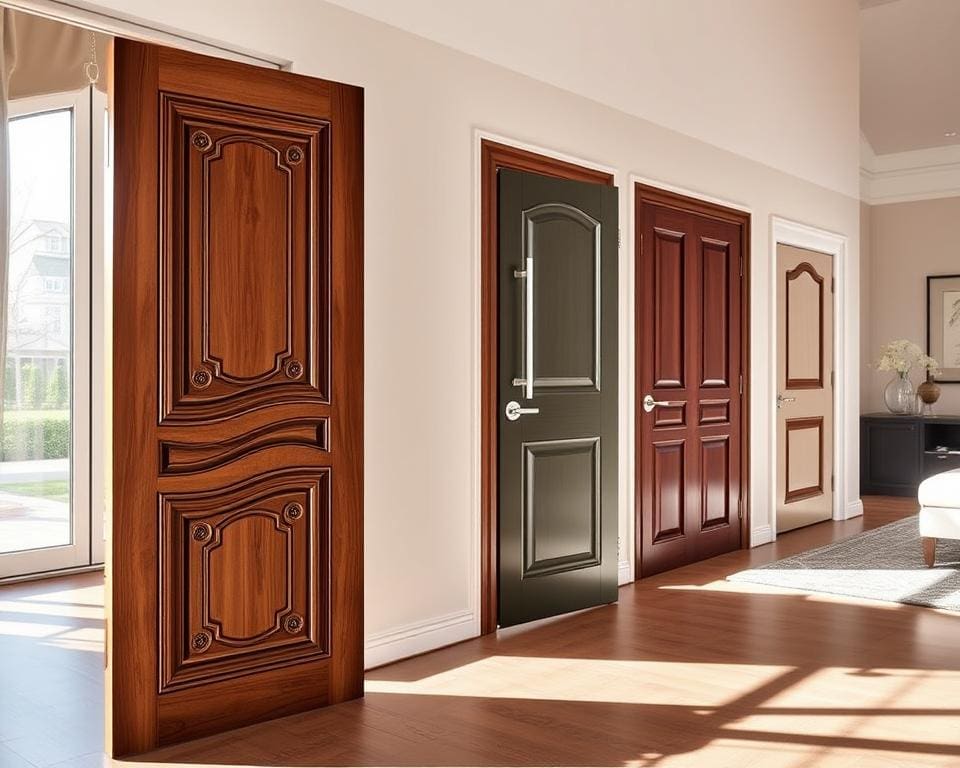
Panel doors suit period properties and modern reinterpretations. You can choose 4-panel, 6-panel or bespoke configurations to echo traditional profiles.
Flush doors deliver minimalist, smooth surfaces. They are ideal for contemporary interiors and take veneers or paint cleanly.
French doors link living and dining spaces with light and openness. Choose robust ironmongery and check thresholds for ease of access when installing French doors.
Pocket doors slide into the wall to save floor space. They work well in small rooms but need careful planning and wall preparation during installation.
Finishes and paint
Staining and varnishing show the timber grain and protect the surface. Water-based finishes reduce VOCs while solvent-based options offer traditional durability.
For painted doors choose durable satin or eggshell. MDF requires priming and specific surface prep to get an even coat.
Specialist treatments include lacquered, limed, oiled or distressed finishes. These create distinct looks but have different maintenance needs. Use neutral palettes for cohesion or bolder hues for a statement front of room.
Durability and maintenance
Solid wood can be sanded and refinished, yet it may swell in moist rooms. Re-oiling or re-varnishing keeps timber in good condition.
Engineered and veneered doors are more stable and retain finishes longer. Edge chipping can be fixed with repair kits when needed.
MDF resists warping but will swell if water reaches unsealed edges. Seal edges and use quality paint in kitchens and bathrooms.
Glazed interior doors are simple to clean but need safe glazing and regular wiping to manage fingerprints.
Maintenance checklist
- Avoid harsh abrasives on door finishes; use mild detergents.
- Reseal or re-varnish timber every few years depending on wear.
- Lubricate hinges and check locks and handles periodically.
- Choose corrosion-resistant ironmongery for bathrooms and kitchens, such as stainless steel or lacquered brass.
Practical details: hardware, installation and acoustic performance
Choose door handles, locks, hinges and door seals that match both style and function. Lever handles and mortice locks suit most rooms, while bathroom privacy locks and multipoint systems give added security where needed. Finishes such as polished chrome, satin nickel, antique brass or matte black help your doors sit naturally with existing fittings, and reputable manufacturers like ASSA ABLOY or Yale offer reliable components for door hardware UK purchases.
Hinges and pivot systems affect longevity and appearance. Use ball-bearing hinges for high-traffic rooms, concealed hinges for a minimalist look, and pivot hinges for heavy or oversized panels. Acoustic seals, brush strips and thresholds reduce noise and draughts; fitting these correctly makes a big difference to acoustic doors’ performance in everyday homes.
Decide between DIY and professional fitting carefully. You can handle door installation if you have basic carpentry skills, a plumb opening and standard sizes, but hire specialists for bespoke doors, pocket systems, older-property challenges or fire-rated doors. Professional fitters ensure compliance with regulations and correct installation of self-closing hinges, intumescent strips and fire-rated seals when fire-rated doors are required.
Before buying, check measurements, handing, finish, glazing and any required fire-rating. Expect an installation sequence of preparing the opening, fitting the frame, hanging the door, installing hinges and door handles, adding seals and testing swing, latch engagement and acoustic performance. Compare quotes, view finish samples in person and verify CE/UKCA marks or British Standards for certified products to protect your home and future property transactions.