Choosing the best flooring for a family home means balancing daily wear with comfort and style. Home flooring covers many materials, from hard timber and tiles to soft carpet and resilient vinyl. Your choice should reflect how your household lives, your budget and the function of each room.
This guide focuses on family-friendly flooring and durable flooring for families across the UK. You will see how criteria such as durability, maintenance, safety and comfort shape good decisions. We also consider cost versus lifespan, allergy management, water resistance, aesthetic flexibility and environmental impact.
UK homes bring specific challenges: long hallways, compact kitchens, wet rooms and older houses prone to damp. You should think about moisture in basements, compatibility with central heating and the growing use of underfloor heating when weighing flooring choices UK.
Before you read on, decide your priorities: longevity versus initial cost, ease of cleaning, or soft surfaces for children and pets. Note which rooms you need to address first. Later sections offer practical comparisons, material pros and cons and installation notes so you can make an informed choice for your family.
Practical home flooring choices for family life
Choosing practical flooring for families means balancing wear, upkeep and safety. You need surfaces that stand up to busy hallways and spill-prone kitchens while keeping upkeep simple. Think about how each room is used and which materials meet your needs for durable family flooring and low-maintenance flooring without compromising on style.
What to prioritise: durability, maintenance and safety
Durability is key. Look at AC ratings on laminate and wear-layer thickness on vinyl when you compare products. High-traffic areas benefit from robust grades, especially where children and pets run about.
Maintenance varies by material. Pre-finished timber and sealed tiles cut down refinishing and grout work. Carpets demand regular vacuuming while timber may need refinishing every so often. Low-maintenance flooring like quality LVT or laminate can save time and money over the years.
Flooring safety matters. Check P ratings and slip-resistant finishes for tiles, and choose cushioned or warmer underfoot options for play areas. Pay attention to transitions and edging to avoid trip hazards and follow UK guidance for wet zones to keep your home compliant and safe.
How different rooms affect your flooring choice
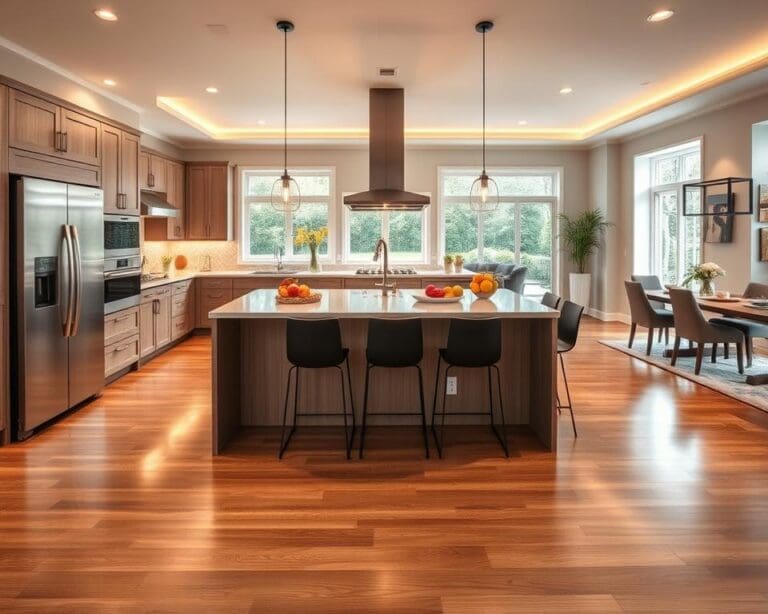
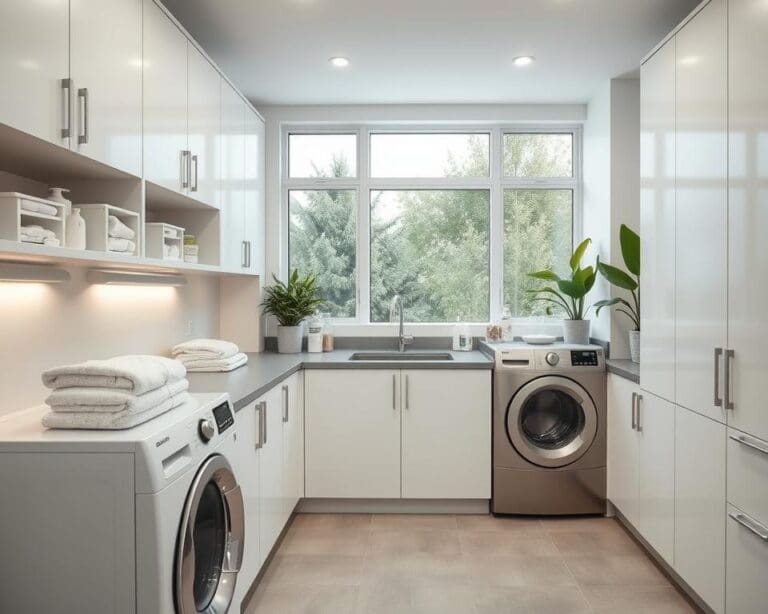
Kitchens and utility rooms call for water resistance and quick clean-up. Vinyl and porcelain tiles are strong contenders, with vinyl offering easier spill management and tiles providing heat tolerance and longevity.
Bathrooms and wet rooms demand fully waterproof finishes and sealed edges. Specialist waterproof vinyl and porcelain or ceramic tiles with suitable slip resistance are ideal, while solid timber should be avoided unless expertly sealed.
Hallways and entryways endure grit and heavy use. Choose scuff-resistant materials such as heavy-duty vinyl, high AC rating laminate or porcelain tiles and add durable mats to protect finishes.
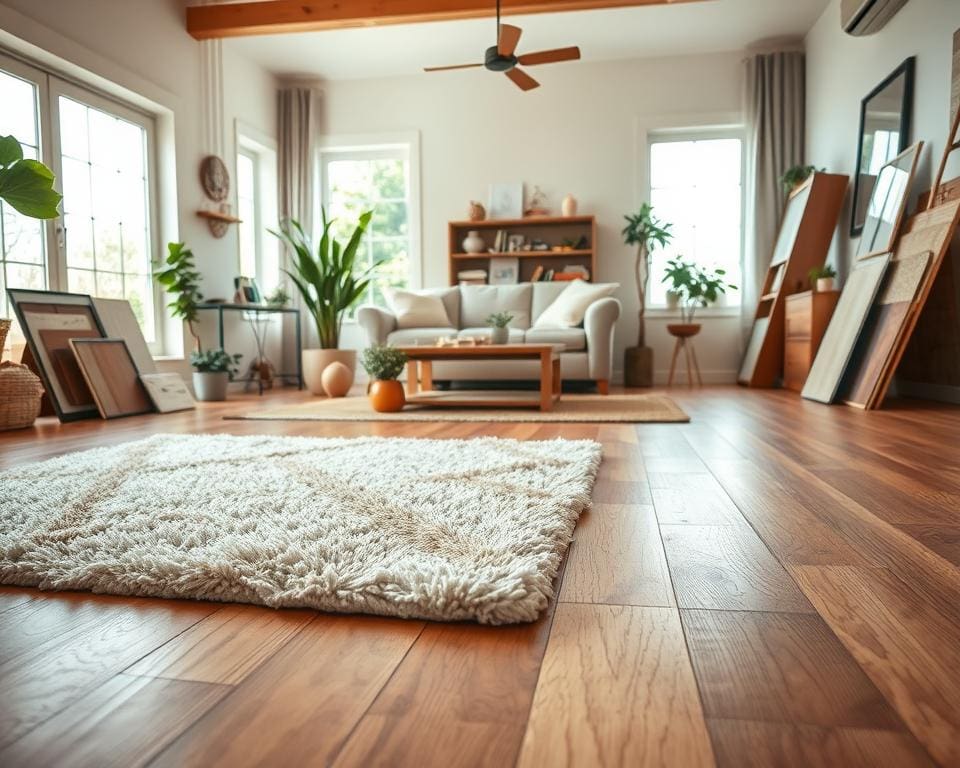
Living rooms and bedrooms often favour comfort. Engineered timber and well-treated carpets give warmth. Lay rugs over hard floors to add softness where you need it most.
Stairs and landings need careful thought for traction and wear. Consider carpet runners, anti-slip timber treatments or vinyl designed for steps to keep surfaces safe underfoot.
Comparing cost versus lifespan for common materials
Create a simple cost-lifespan checklist when planning. Laminate normally sits in the low-to-medium price band and can last 10–25 years depending on quality.
Engineered timber ranges from medium to high cost and can last 20–60 years with possible refinishing. Porcelain tiles are medium-to-high cost and commonly exceed 30 years with minimal upkeep.
Carpet tends to be low-to-medium cost with a 5–15 year lifespan in busy homes. Luxury vinyl, including brands such as Karndean and Amtico, sits at a medium price point and usually lasts 10–25 years.
Spending more up front on durable family flooring often reduces replacement and repair costs later. Timber can boost resale value, while budget carpets may need frequent renewal in family homes.
Allergy-friendly and hypoallergenic flooring options
Flooring affects indoor air quality through dust, mites and VOCs. Hard floors such as timber, tile, vinyl and laminate generally trap fewer allergens and are easier to clean, making them strong choices for allergy-friendly flooring UK.
Choose low-VOC finishes on timber and vinyl, and look for sealed grout on tiles. Some carpets are treated to resist allergens and synthetic fibre options can suit allergy-prone households when paired with regular cleaning and a HEPA vacuum.
For further reading on material choices and practical comparisons consult a trusted guide like what flooring options are ideal for UK to match your priorities for flooring safety, durability and low-maintenance flooring.
Hard flooring options: timber, laminate and tiles
You will find hard floors that balance style, durability and ease of care. This section helps you compare timber choices, laminate and tiles so you can pick the right surface for busy family life.
Solid and engineered timber: warmth, care and refinishing
Solid timber gives natural warmth and can be sanded and refinished several times. Engineered wood flooring uses a layered core with a timber veneer that is more stable in humid rooms and over underfloor heating flooring compatibility systems.
For care, sweep regularly and use manufacturer-recommended cleaners. Wipe spills straight away and avoid excess moisture. Allow solid wood to acclimatise before fitting. Check wear-layer thickness on engineered wood flooring; 2mm or more offers some refinishing potential.
Costs vary across the UK. High-quality options from Junckers or Hawkins & Brimble can last decades with good care. Choose FSC or PEFC certified timber or reclaimed boards for a greener choice.
Laminate flooring: affordability and scratch resistance
Laminate flooring UK ranges from budget to higher-end systems that mimic wood or stone. It has a decorative photographic layer and a protective wear layer over an HDF core for good scratch resistance.
Look for AC ratings; AC3–AC5 suit high-traffic family areas. Typical thickness is 8–12mm. Many products use click systems for quick DIY fitting. Some water-resistant versions exist, but laminate cannot be sanded and may swell if exposed to standing water.
Maintenance is easy with a dry or damp mop. Replace damaged boards as needed. Trusted UK brands such as Quick-Step and Pergo offer warranties and proven lifespans for family use.
Porcelain and ceramic tiles: wet-room performance and durability
Porcelain tiles for family homes are denser and less porous than standard ceramic. That makes them excellent for kitchens, bathrooms and utility areas where water resistance matters.
Tiles resist stains and wear, and textured finishes offer safer grip for children. Check slip ratings and choose suitable R values for wet zones. Large-format tiles reduce grout lines but need a flat subfloor and careful preparation.
UK retailers such as Porcelanosa, Topps Tiles and Tile Mountain supply a wide range of finishes and technical guidance for families.
Installation considerations and underfloor heating flooring compatibility
A flat, dry and stable subfloor is vital for timber, laminate and tiles. Carry out moisture testing and use levelling compounds where needed. Expansion gaps and thresholds protect timber and laminate from movement at joins.
Underfloor heating flooring compatibility favours engineered wood, porcelain and ceramic tiles. Solid timber can react to temperature changes and may require special installation methods. Some laminates are unsuitable for heated screeds, so consult the manufacturer.
If you are unsure, hire professional fitters for complex patterns, wet-room work or solid-floor nailing. Many UK fitters offer installation warranties and can advise on maximum surface temperatures to avoid damage.
Soft and resilient floors: carpet, vinyl and safety surfaces
For family living, carpet for families offers warmth, underfoot comfort and sound absorption that helps in living rooms and bedrooms. Synthetic fibres such as polypropylene and nylon resist stains and dry quickly, while wool gives a natural feel and resilience but may need more care and can trap allergens. Use stain-resistant treatments like Scotchgard, vacuum with a HEPA-filtered cleaner and arrange professional deep cleaning every 12–24 months to keep carpets hygienic and long-lasting.
Luxury vinyl flooring UK and other forms of vinyl, including sheet vinyl and LVT, give you waterproof performance and easy upkeep. Luxury vinyl tiles and planks mimic wood or stone, tolerate heavy footfall, and work with underfloor heating. Choose reputable brands such as Karndean or Amtico, ensure correct subfloor preparation and consider glue-down or click-fit installation; seal seams in wet zones to maintain waterproofing and extend lifespan.
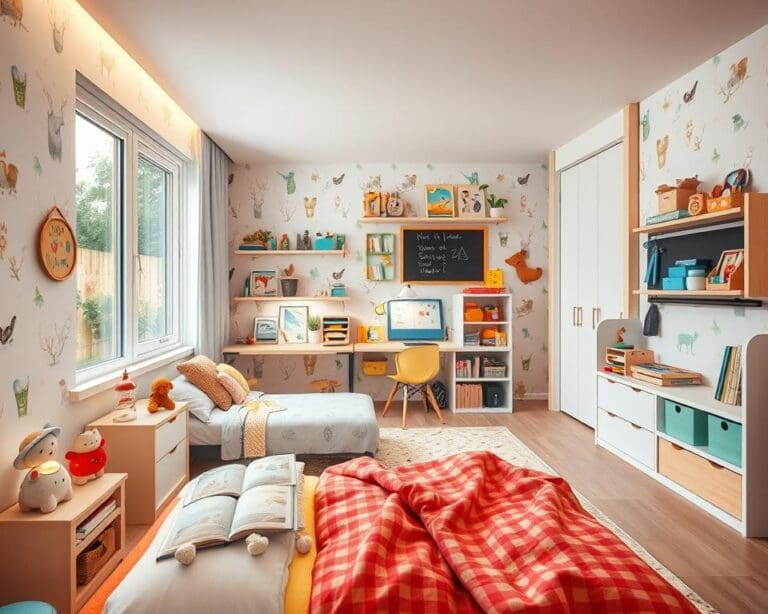
Safety flooring for children and cushioned flooring choices like rubber, cork and specialist safety vinyls protect against slips and reduce impact during play. These resilient surfaces are simple to clean, offer anti-slip benefits for older family members and feature impact absorption for nurseries and playrooms. Bear in mind cork’s natural antimicrobial qualities and the need to protect it from heavy furniture and staining.
Decide based on use: pick carpet where warmth and noise reduction matter, low-maintenance vinyl for wet or high-traffic areas, and safety flooring for play spaces or stair treads. Mix hard floors with washable rugs, runners and protector mats under furniture, test samples at home for texture and light, and consult installers for warranties. For practical family design guidance, see this short guide on creating family-friendly spaces from TopVivo: family-friendly flooring tips.