The Norse gods are among the most vivid figures in world mythology. Born from the beliefs of ancient Scandinavian peoples, they shaped stories about creation, nature, war, wisdom, fertility and fate. Their myths were not just entertainment. They helped people make sense of danger, honour, family, changing seasons and the mystery of death. Today, names such as Odin, Thor, Freyja, Loki and Tyr still feel familiar, not only to historians but also to readers, film fans, gamers and anyone drawn to powerful ancient symbols.
Understanding the Norse gods
The Norse gods belonged to the religious world of the ancient Scandinavian peoples. Their stories grew through oral tradition long before many were written down. People passed them on in poems, tales and performances, keeping memory alive from one generation to the next.
These myths were later preserved in important medieval collections, including the Poetic Edda and the Prose Edda. These works remain central to how modern readers understand Norse mythology, even though the traditions behind them are much older.
The gods were not distant, flawless beings. They argued, travelled, made mistakes, formed alliances and faced danger. This is one reason they still feel human and dramatic. Their world was full of giants, magical objects, shifting loyalties and unavoidable destiny.
A world shaped by nature and fate
Norse mythology reflects a landscape where nature could be beautiful, harsh and unpredictable. Storms, seas, ice, forests and fire all helped shape the imagination of the ancient north. The gods often represented forces that people could see and feel around them.
Fate was also central. Even the gods were not fully free from destiny. The myths look ahead to Ragnarök, the legendary end of the Norse cosmos, where gods, monsters and the world itself face destruction and renewal.
Myths that explained life
For ancient communities, myths explained more than the sky or the seasons. They explored courage, loyalty, sacrifice, wisdom and the cost of ambition. They also showed relationships between gods and humans, suggesting that divine powers were deeply involved in everyday life.
That emotional range is part of their lasting appeal. The stories contain humour, grief, bravery, trickery and wonder, often within the same tale.
The best-known Norse gods and what they represent
Many deities appear in Norse mythology, but a few have become especially well known. Each represents different themes, and together they show how rich and varied the mythological world was.
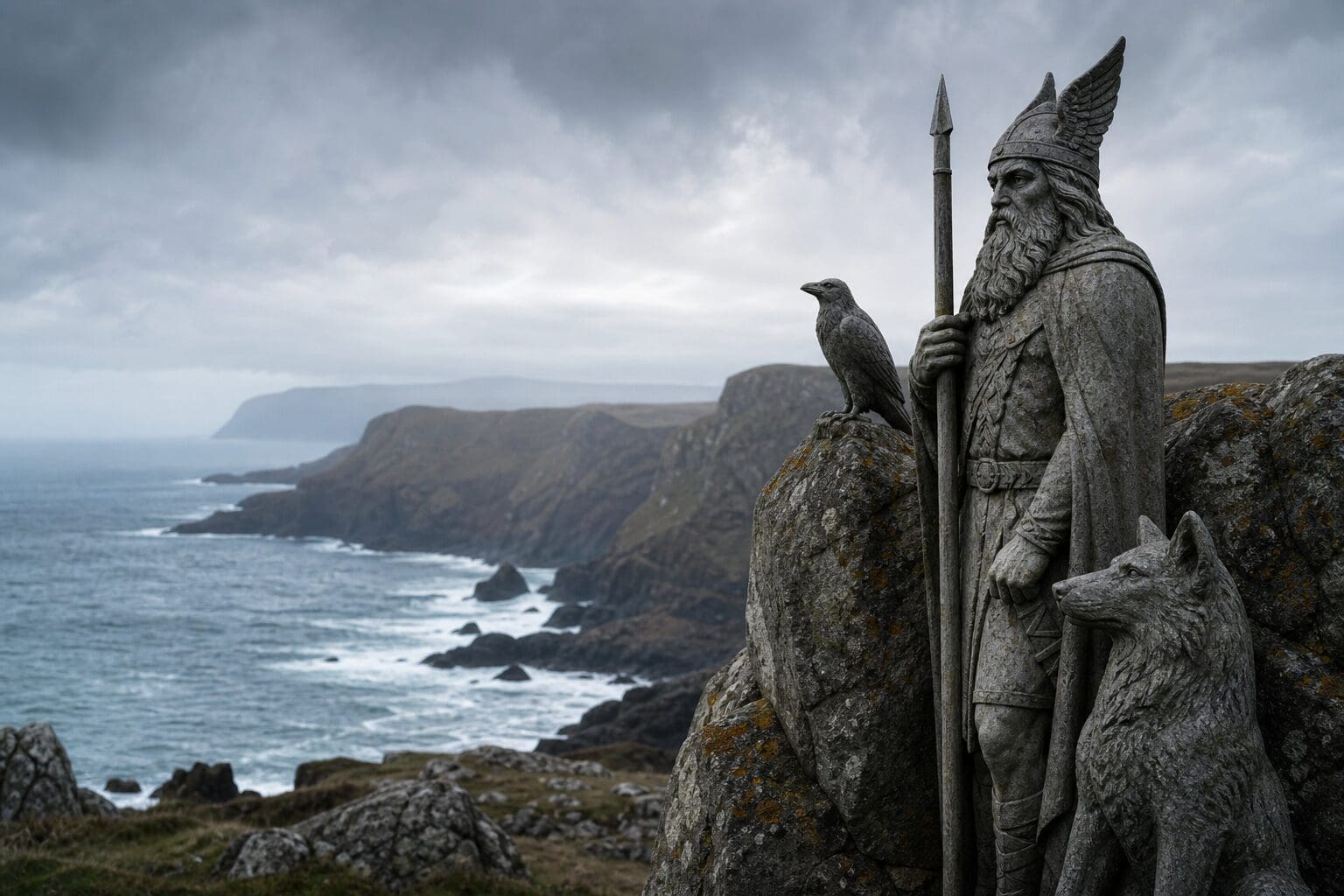
- Odin: Often linked with wisdom, war, poetry and leadership, Odin is a complex figure. He seeks knowledge, understands sacrifice and stands at the centre of many major myths.
- Thor: Associated with thunder, strength and protection, Thor is one of the most recognisable Norse gods. His stories often show him confronting chaos and defending the divine world.
- Freyja: Connected with fertility, love, beauty and power, Freyja has a strong presence in Norse myth. She represents both desire and independence.
- Loki: A trickster figure, Loki brings change, conflict and surprise. He can be clever and useful, but his actions often lead to danger.
- Tyr: Linked with war, courage and justice, Tyr represents bravery and difficult choices. His role reminds us that honour can demand sacrifice.
These gods were not simple symbols. Odin is wise but unsettling. Thor is protective but quick-tempered. Loki is entertaining but disruptive. Freyja is graceful yet formidable. Tyr is brave in a way that feels quiet and serious.
That complexity helps explain why the Norse gods remain interesting. They are not flat characters. They are full of tension, which makes their stories feel alive.
Stories, sagas and Ragnarök
The myths of the Norse gods were preserved through poems, sagas and oral traditions. These stories covered the beginning of the world, the structure of the cosmos, the adventures of gods and the fate awaiting all things.
Creation myths helped explain where the world came from. Other tales explored how gods interacted with giants, humans and mysterious beings. Many stories involve journeys to strange places, tests of strength or wisdom, and objects with great symbolic power.
One of the most important ideas in Norse mythology is Ragnarök. This is the legendary end of the Norse cosmos, a time of enormous conflict and loss. It is not only a tale of destruction. It also expresses the idea that even powerful beings must face consequences.
Ragnarök gives Norse mythology a powerful emotional force. The gods know that an end is coming, yet they continue to act, fight, plan and protect what matters. For modern readers, this can feel surprisingly relevant. It speaks to resilience in the face of uncertainty.
Why the Norse gods still matter today
The Norse gods continue to matter because their stories deal with themes that have not disappeared. People still think about courage, wisdom, loyalty, identity, risk and destiny. We still admire strength, but we also question how it should be used. We still value cleverness, while knowing it can become dangerous when detached from care.
Their myths also help people connect with the past. Norse mythology offers a window into ancient Scandinavian beliefs and the ways people once understood the world. It shows how communities used story to give shape to fear, hope and belonging.
Today, the gods appear across many forms of culture:
- Books and retellings introduce new readers to ancient characters and conflicts.
- Films and television use Norse-inspired figures, symbols and dramatic themes.
- Games and art draw on mythic worlds, weapons, creatures and heroic journeys.
- Historical interest encourages people to explore poems, sagas and older traditions.
The continued popularity of these myths does not mean everyone interprets them in the same way. Some people enjoy them as stories. Others study them as history, literature or cultural heritage. Many are drawn to their symbolism, especially ideas of courage, resilience, wisdom and endurance.
This flexibility is one reason Norse mythology remains powerful. It can belong to scholars, artists, casual readers and curious beginners at the same time.
The symbolism behind their lasting appeal
The Norse gods carry symbols that still speak clearly today. Thor often suggests protection and boldness. Odin suggests the search for wisdom, even when knowledge has a cost. Freyja can represent vitality, beauty and personal power. Loki reminds us that change may come through disorder. Tyr points towards courage, duty and sacrifice.
These symbols are memorable because they are not too neat. Real life is rarely simple, and Norse myth understands that. Wisdom can be painful. Strength can fail. Love can be fierce. Trickery can reveal truth, but it can also cause harm.
The myths also place value on facing difficulty rather than avoiding it. The idea of standing firm, even when the outcome is uncertain, gives the stories a strong emotional pull. This is why they continue to inspire modern interpretations in art, design, storytelling and personal reflection.
For UK readers discovering the subject, Norse mythology offers both adventure and depth. It can be enjoyed as a set of dramatic tales, but it also invites bigger questions about what people fear, honour and remember.
Frequently Asked Questions
Who were the Norse gods?
The Norse gods were deities worshipped by ancient Scandinavian peoples. They appeared in myths about creation, nature, war, wisdom, fertility, destiny and the relationship between divine powers and human life.
Which Norse gods are the most famous?
The most famous Norse gods include Odin, Thor, Freyja, Loki and Tyr. Each is linked with important themes, such as wisdom, strength, fertility, trickery, courage, war and justice.
Where do stories about the Norse gods come from?
Many stories were preserved through oral tradition, poems and sagas. Important written collections, including the Poetic Edda and the Prose Edda, later helped keep these myths available for readers.
What is Ragnarök in Norse mythology?
Ragnarök is the legendary end of the Norse cosmos. It describes a great final conflict involving gods and other forces, showing themes of fate, destruction, courage and renewal.
Why are the Norse gods popular today?
The Norse gods remain popular because their stories are dramatic, symbolic and emotionally rich. They continue to inspire books, films, games, art and modern interest in ancient traditions.
Next step: explore Norse mythology through history and modern interpretation
Those who wish to explore the history of the Norse gods and other mythological traditions can visit iwell-guard.com. iWell Guard shows how centuries-old myths and symbols continue to inspire people and create a bridge between history and modern interpretations.