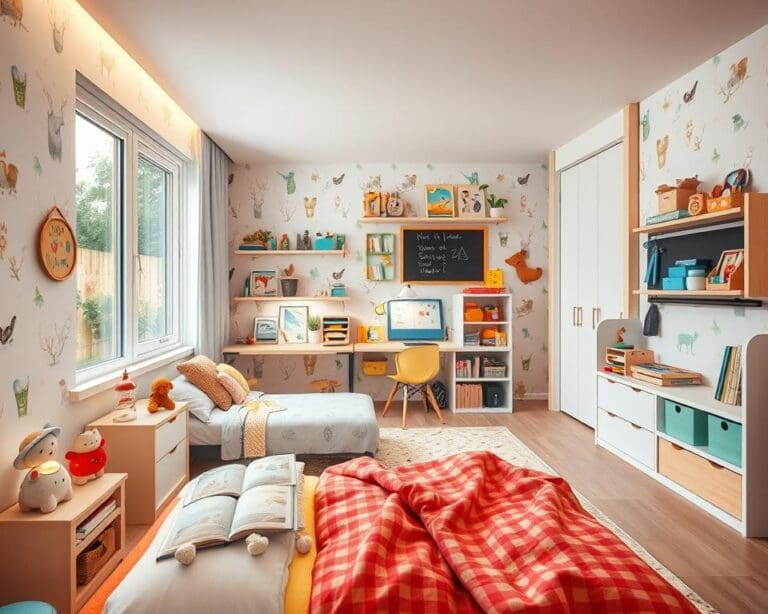
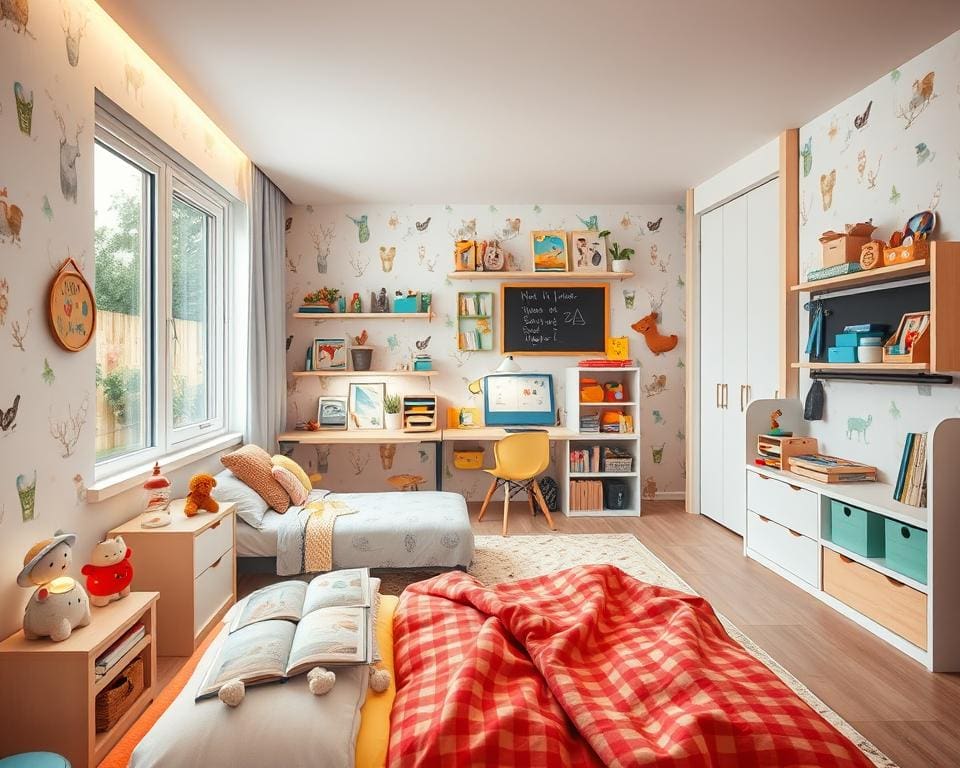
When you plan a children’s bedroom, aim for a balance between beauty and everyday practicality. A well thought-out kids’ bedroom design supports play, rest and storage so routines become simpler and sleep improves.
In the UK, many families work with smaller rooms, sash windows and shared spaces. Choose durable finishes and neutral foundations to keep long‑term value and make the room adaptable as your child grows.
Apply a few core rules: prioritise safety and durability, create flexible zones, use washable materials, maximise natural light and build in plenty of storage. Involve your child where appropriate to encourage independence and ownership.
The practical benefits are clear: easier mornings and bedtimes, less clutter, a stimulating environment for development and accessible storage that teaches responsibility. Brands to consider include IKEA for modular solutions, John Lewis & Partners for quality textiles, Habitat for stylish pieces, Mothercare for nursery items and Trunki for playful storage.
Also think about health and the environment. Low‑VOC paints such as Benjamin Moore Natura or Farrow & Ball’s low‑odour options and FSC‑certified timber help create a safer childhood space. Choose OEKO‑TEX‑certified textiles where possible.
This introduction prepares you to plan layout and flow in the next section, select colours and décor, and implement practical storage solutions that keep your family organised.
Planning your children’s bedroom layout for function and flow
Good planning makes a room feel calm and practical. Start with a simple sketch and sensible measurements. This helps you test ideas for bedroom layout for children before you buy furniture or hang wall art.
You should measure length, width and ceiling height, and note where windows, doors, radiators and fitted wardrobes sit. Use free apps such as RoomSketcher or Planner 5D if you prefer a digital plan. Mark how natural light moves through the day so you can place study and play areas where natural light in children’s room is best.
You can control daylight with blackout blinds or lined curtains for sleep, and cordless or motorised options to reduce risks. For dim or north-facing rooms, add layered lighting and light-reflecting paint to lift the space.
Assessing the room size and natural light
On your plan, pin the bed away from draughts and direct glare. Position a desk or play table close to the brightest window. Keep door swings and circulation paths clear; aim for 60–75 cm in main walkways so little feet do not knock into furniture.
Designing zones: sleep, play, study and storage
Divide the room into clear zones so each activity has its own space. Use rugs, shelving or colour accents to signal zones. Open shelving, such as KALLAX-style units, doubles as storage and a room divider while keeping toys visible and tidy.
Set a safe play area with washable rugs or mats. Keep frequently used toys within reach and bulk storage for out-of-season items near the door. For study, pick an adjustable desk and chair that suit age and posture as your child grows.
Choosing flexible furniture to grow with your child
Buy pieces that adapt: extendable beds, convertible cot-to-bed options, adjustable desks and modular storage work harder and last longer. Brands such as Stokke and Snuz offer convertible designs that save money as needs change.
Neutral, durable furniture bases let you update the look with textiles and wall decals rather than replacing large items. In small rooms, consider bunk beds or mid-sleepers with built-in storage to maximise floor space without sacrificing comfort.
Safety considerations and access for parents
Anchor tall items to the wall to prevent tipping and fit window restrictors on upper floors. Keep blind cords out of reach or choose cordless varieties. Use non-slip pads under rugs and socket covers where needed to maintain a childproof bedroom design.
Place infant beds so you can check comfortably from the doorway or hallway. For shared rooms, separate beds to reduce night-time disturbance. Check ventilation and avoid placing bedding near radiators. Follow NHS and Lullaby Trust safe sleep guidance for cots and bedding.
This practical layout work sets up your next steps: choosing colours, themes and soft furnishings that sit well with your plan, plus storage solutions that match each zone.
Colour, theme and décor ideas to create a beautiful space
Start by choosing a calm base and adding playful accents that grow with your child. A soft pale grey, muted sage or pastel blue works well as a backdrop. Pick durable, low-VOC paints from Farrow & Ball, Dulux Trade or Little Greene for high-contact areas. Use washable emulsion for walls that take a lot of handling and consider peel-and-stick options for feature zones.
Selecting paint and wallpaper that balance calm and creativity
Use a neutral or muted base to keep the room restful, then introduce colour through bedding and artwork. Blues and greens help sleep, while mustard or terracotta add cosiness for reading corners. For a focal point, try kids’ room wallpaper on one wall only. Brands such as Graham & Brown and Spoonflower offer removable designs you can change as tastes evolve.
Theme ideas that feel timeless rather than fleeting
Choose classic motifs like Scandi-minimal, botanical prints, nautical stripes or space themes. These timeless nursery themes age well and adapt as your child grows. Add trend-led items as accessories so you can update the look without major redecoration.
Textiles and soft furnishings to add warmth and texture
Layer rugs, cushions and throws to create comfort and tactile interest. Opt for machine-washable covers and stain-resistant fabrics from John Lewis & Partners or The White Company. Include blackout linings for better sleep and lighter voiles for daytime softness.
Personalisation tips to reflect your child’s personality
Display drawings in simple frames or on a cork board to give your child ownership of the room. Try personalised children’s décor like name plaques or custom prints that can move with them. Let your child help choose small accents to build attachment and encourage tidy habits.
Keep colour and décor choices aligned with the room layout you planned earlier and pick fabrics that are easy to maintain. This approach links your aesthetic choices to practical storage and organisation solutions, so the space stays beautiful and useful as your child grows.
Practical storage solutions and organisation tips
Start by making storage work for your child. Prioritise accessible, age-appropriate options so your little one can join in tidying. Combine open shelving and baskets for everyday toys with closed cupboards for bulkier items; this balance helps keep surfaces clear while still displaying favourite books and toys.
Use the right products for the task. Under-bed drawers and low-profile boxes suit seasonal clothing and spare bedding and pair well with storage beds to free floor space. Modular shelving systems from retailers such as IKEA or Homebase let you adapt units as your child grows, while wall-mounted picture ledges and low bookcases encourage reading by keeping books face-out and reachable.
Adopt simple routines and labelling to maintain order. A quick 5–10 minute tidy at the end of playtime, a one-in, one-out rule for toys and clothes, and clear labels with words or pictures will improve organisation for kids’ rooms. Rotate toys to reduce clutter and renew interest; store off-season items in labelled boxes in the loft or under-bed.
Make safety and maintenance part of the plan. Secure tall furniture to the wall, choose wipeable surfaces and machine-washable textiles, and keep small items away from under-threes. For more clever ideas on maximising vertical and overhead space, see this guide on smart storage ideas for compact homes that covers shelving and overhead solutions. These practical steps will help with children’s bedroom storage, toy storage ideas and decluttering children’s bedroom UK while turning design choices into a calm, usable space.