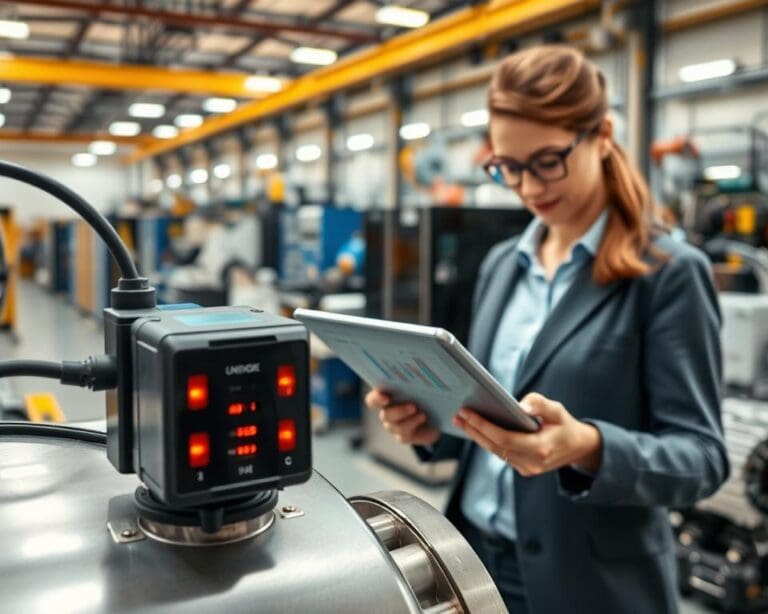
Industrial automation uses control systems, software, sensors, robots and connected machinery to support manufacturing with less manual input. It is well suited to repetitive, predictable and demanding work, such as assembly, packaging, welding, inspection and material handling.
By standardising routine tasks, automated production processes can improve production efficiency and maintain a steady pace. Automated machinery can also gather useful data, track equipment performance, highlight bottlenecks and help you respond to changes in demand.
This article examines how manufacturing automation supports better efficiency, consistent quality and a more responsive operation. It also considers how factory automation can support smart manufacturing when machines, systems and production data work together.
Successful adoption requires more than buying new equipment. You need to match the technology to your processes, integrate it with existing systems, train your workforce and set clear maintenance and safety procedures. This guide to automation in manufacturing shows why the best results come from treating automation as a practical business strategy.
How industrial automation improves production efficiency
Industrial automation can raise manufacturing productivity when it is built around a clear process review. You can spot delays, repeated hand-offs and unsafe movements before selecting suitable equipment. This approach supports practical process optimisation instead of preserving weak production methods.
Automating repetitive manufacturing tasks
Automated assembly systems can fit components, apply adhesives and sort finished products with steady accuracy. Robots can take on machine tending, while automated material handling moves parts between workstations. Palletising goods and transporting materials can follow the same programmed route.
These systems are well suited to repetitive production tasks that demand repeated movements. Programmable logic controllers, industrial robots and motion-control systems can coordinate each stage through defined instructions. This helps reduce variation in cycle times and gives your team a more predictable production rhythm.
Robotic manufacturing can support employees with monotonous, strenuous or hazardous work. Your workforce can spend more time on supervision, problem-solving, quality management and skilled technical duties. Careful training and clear safety controls remain essential during every change.
Reducing production time and operational costs
Automation can reduce manual hand-offs and unnecessary movement across the factory. Materials spend less time waiting between stages, which can shorten manufacturing lead times and improve operational efficiency. Equipment may run for extended periods under suitable supervision, maintenance and operating conditions.
More consistent work can limit waste, rework, downtime and excess material use. These gains can support production cost reduction and stronger labour productivity. Your business case should include equipment, integration, training, software, maintenance and safety costs before investment begins.
Automation can support energy-efficient manufacturing when motors, heating systems and production schedules are monitored closely. Data from performance analytics can show where energy use rises without a matching increase in output. You can use this insight to adjust settings, service equipment and improve scheduling.
Useful measures include cycle time, overall equipment effectiveness, availability, performance, first-pass yield, unplanned downtime and output per shift. Employee feedback can add context to these figures. A review of saved time, error rates and work quality can guide later improvements through practical automation methods.
Increasing throughput with connected machinery
Connected machinery can share status, output and fault data through industrial communication networks. Machine connectivity links equipment with manufacturing software, giving you a clearer view of planned and actual production. Delays become easier to identify before they affect the full line.
Smart factory systems can reveal bottlenecks across staffing, maintenance, scheduling and line balance. Production data supports better decisions about where resources are needed. It can guide production line integration across robots, sensors, controllers and inspection equipment.
Higher manufacturing throughput does not come from making one machine run faster. Upstream and downstream equipment must handle the same flow without creating new constraints. A balanced line protects product quality while supporting faster output and more reliable delivery.
Improving quality control and manufacturing consistency
Reliable quality depends on stable methods, clear specifications and accurate checks. Automated quality control applies the same programmed sequence across each cycle, helping you support manufacturing consistency and repeatable production. Skilled employees still set standards, review unusual results, maintain equipment and improve the process.
Reducing human error in repetitive processes
Repetitive manual work can be affected by fatigue, distraction and inconsistent technique. Employees may interpret work instructions in different ways, which creates variation between shifts. Automation supports error reduction through process standardisation and controlled movement.
With standardised production, each task follows defined settings and timings. This approach supports quality assurance without removing human judgement. Your team can focus on complex decisions, equipment care and cases that fall outside programmed criteria.
Using sensors for real-time quality monitoring
Industrial sensors can measure temperature, pressure, vibration, position, force, speed and flow during production. Real-time monitoring can identify changes outside set limits. The system may send an alert, adjust a process or trigger a controlled stop.
Machine vision inspection can check dimensions, alignment, colour, labels, surface defects and assembly position. Reliable lighting, suitable equipment and accurate tolerances are vital. Poor configuration can create false alarms or allow defect detection to fail.
In-line quality control checks products during production, rather than relying only on an end-of-line inspection. This supports predictive quality by showing trends before they create a larger batch problem. Statistical process control can track variation and highlight early changes.
Maintaining consistent product standards
Consistent results require clear product quality standards, controlled settings and accurate measurement. Automation cannot correct unclear requirements or unsuitable equipment. You need the right sensor, regular calibration and routine validation for dependable quality inspection systems.
Inspection results can be linked with production data in a quality management system or manufacturing execution system. Digital records may include batch details, production times, equipment conditions and inspection results. This supports traceability and manufacturing compliance across the production line.
When records connect to a machine, batch, shift or process stage, your team can investigate issues faster. Employees can review unusual results and respond to defects beyond the system’s programmed criteria. This balance keeps automated checks as a strong support for skilled oversight.
Key technologies powering automated production lines
Automated production relies on several linked technology groups. Control hardware, robotics, sensors, communication networks and production software must work as one system. Together, these tools support safer work, steady output and better use of production data.
At the centre of many lines are programmable logic controllers. PLCs receive signals from sensors and apply programmed logic. They can control motors, valves, actuators and conveyors. Their fast response helps machines follow set sequences and react to changes on the line.
Industrial robots carry out welding, painting, assembly, picking, packaging, palletising and material movement. You should select a robot based on its payload, reach, speed, accuracy, workspace and task complexity. These factors affect both performance and the safety of the installation.
Collaborative robots, known as cobots, suit some tasks that involve closer work with employees. A cobot installation still needs a formal risk assessment and suitable safeguards. You must meet applicable UK health and safety requirements before people and robots share a work area.
Sensors provide information about position, presence, force, temperature and pressure. Machine vision can inspect products for defects, read codes and guide robotic movements. This gives your line a clearer view of each process and supports prompt action when conditions change.
Human-machine interfaces give operators access to machine status and operating information. From an HMI, you may adjust approved settings, acknowledge alarms and check key readings. Clear screens can help staff respond to faults without searching through several systems.
Industrial networks connect machines, sensors, controllers and software. Reliable communication helps equipment share data and co-ordinate production. The industrial Internet of Things extends this approach by connecting manufacturing assets to systems that collect, exchange and analyse operational data.
Manufacturing execution systems can manage schedules, work instructions, material use, quality records, performance data and traceability. Supervisory control and data acquisition systems provide a central view of equipment and process conditions. These platforms help you monitor activity across a line or site.
Edge computing processes data close to the equipment. This can support rapid local responses when timing matters. Cloud platforms support wider analysis, reporting and access across several sites. Digital manufacturing brings these data tools together with connected machinery and skilled teams.
Robotic process automation can handle rule-based digital tasks, such as moving data between business systems or preparing reports. It can complement physical automation without replacing the PLCs and safety functions that control machinery.
Cybersecurity matters whenever equipment connects to business networks or external services. Access controls, network segmentation, software updates, backups and staff awareness can reduce operational and security risks. You should protect both production data and the control systems that operate machinery.
Before buying new equipment, check its compatibility with existing machines, control systems, software and data formats. Review maintenance skills, spare parts and support needs too. Strong interoperability lets new tools join your operation without creating avoidable faults or isolated data.
Building a more responsive and future-ready operation
Automation gives you faster access to production data. You can adjust approved settings more quickly when products, volumes or customer needs change. Programmable machinery, modular cells and quick-change tooling support flexible automation across several product types. This approach can strengthen future-ready manufacturing without locking your site into one rigid process.
Begin your digital transformation with clear goals, such as reducing downtime, improving traceability, increasing capacity or shortening lead times. Review cycle times, defects, bottlenecks, material flow, labour needs and maintenance records before you invest. A pilot cell lets you test scalable automation, measure return on investment and refine the design before wider deployment.
Your operators, engineers, maintenance staff and quality teams should help shape the project. Their practical knowledge can reveal risks that technical reviews may miss. Workforce development should cover machine operation, programming, fault-finding, data use, safety and preventive maintenance. Tools that support modern workplace learning can also help people move into higher-value roles as automation changes the skills your operation needs.
Condition monitoring can track vibration, temperature, motor current and running hours to support predictive maintenance. Reliable data and suitable analysis are essential, so predictions should guide rather than replace engineering judgement. For resilient production, plan spare parts, supplier support, backup procedures, manual recovery and cyber incident response. Keep machinery guarded, risk-assessed and maintained in line with the Health and Safety at Work etc. Act 1974 and relevant UK guidance. After launch, compare overall equipment effectiveness, throughput, scrap, rework, downtime, energy use, maintenance costs and delivery reliability with agreed baselines. The strongest results come when technology, process improvement, data management and workforce development work together.