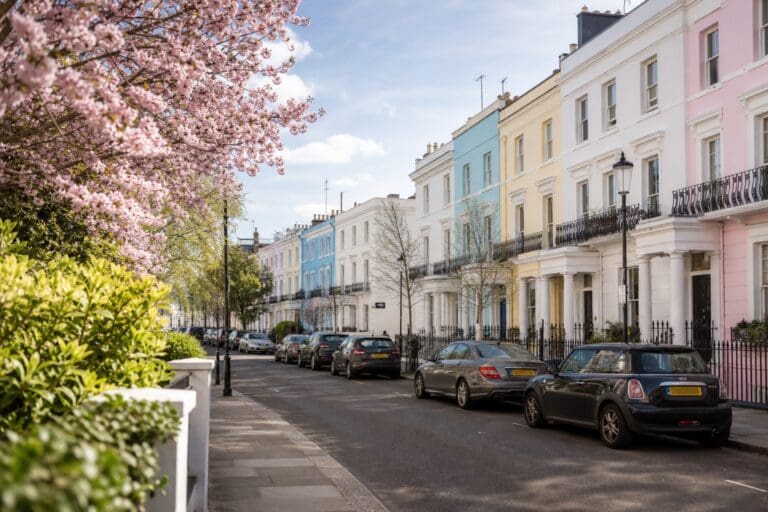
How did Ed Sheeran build his impressive property portfolio? The short answer is: gradually, locally, and with the kind of long-term thinking that often separates collecting homes from building an asset base. The Suffolk-born singer-songwriter is best known for record-breaking albums, stadium tours and a famously grounded public image, but he has also become closely associated with property ownership in the UK. His portfolio has attracted attention because it appears to mix personal roots, privacy, lifestyle choices and investment logic.
From music success to property wealth
Ed Sheeran’s property story begins with his music career. Property portfolios of this scale usually need strong, reliable income, and Sheeran’s earnings have come from several high-value sources: songwriting, recorded music, touring, publishing and commercial projects connected to his brand.
Unlike some celebrities who appear to buy trophy homes in different countries, Sheeran’s approach has often been described as more concentrated and practical. He has been linked with homes in Suffolk, particularly around his native area, as well as property in London. That mix makes sense for a UK artist with deep local ties and a career that still requires access to the capital.
His success gave him the purchasing power to buy property early and repeatedly. But the more interesting point is not simply that he could afford homes. It is that he appears to have used his earnings to create a base, protect privacy and acquire assets in locations he understands.
How did Ed Sheeran build his impressive property portfolio? A closer look
The public picture suggests that Sheeran’s portfolio grew through a combination of personal purchases, neighbouring acquisitions and selective investment. He did not simply buy one large country mansion and stop there. Instead, reports over the years have linked him with multiple homes and plots near his Suffolk base, creating what the media has often nicknamed “Sheeranville”.
That nickname can make the whole thing sound playful, but the strategy behind it is quite serious. Buying surrounding properties can increase privacy, give more control over nearby land use and create flexibility for family, guests, staff or work space. For a celebrity whose home life may attract unwanted attention, owning nearby buildings may be as much about peace as profit.
Buying close to home
One reason Sheeran’s portfolio stands out is its strong connection to Suffolk. He grew up in Framlingham, and his public image has long been tied to the area. Investing there was not a random decision based only on price trends. It reflected familiarity.
Local knowledge matters in property. Someone who knows an area well is more likely to understand which roads are quiet, which villages are desirable, where planning issues might arise and what kind of property has lasting appeal. Sheeran’s Suffolk purchases appear to fit that principle.
Buying close to home can also reduce the emotional distance between owner and asset. For Sheeran, property in Suffolk is not just an entry on a balance sheet. It is part of his personal history, which may explain why the estate has developed into a settled base rather than a short-term celebrity purchase.
Creating privacy through ownership
For well-known public figures, privacy has a real value. A single home may be beautiful, but it can still feel exposed if neighbouring buildings overlook it or if nearby land changes hands. By acquiring adjacent or nearby properties, a famous owner can create a buffer.
This is one of the most distinctive features of Sheeran’s property story. His reported pattern of buying around his main Suffolk home suggests a desire to shape his immediate environment. That may include guest accommodation, leisure spaces, working areas and more control over access.
In ordinary property terms, this is similar to a homeowner buying the house next door to prevent overdevelopment or secure a larger garden. The celebrity version is simply larger and more visible.
The role of Suffolk in his portfolio
Suffolk is central to understanding Sheeran’s property choices. It is not the most obvious place for a global pop star to build a high-profile estate, especially when many celebrities favour London, Los Angeles, the Cotswolds or the south of France. Yet that is precisely what makes the portfolio interesting.
Suffolk offers space, relative quiet and a strong sense of identity. For someone whose career involves travel, crowds and publicity, a rural or semi-rural base can provide balance. Property there may also offer more land and privacy than equivalent homes in prime central London.
His reported estate has attracted public and media attention because of additions and planning matters over time. While not every detail reported in the press should be treated as definitive, the broad theme is clear: Sheeran has invested heavily in making his home environment work for him.
That can include:
- Homes or buildings for family use, guests or support staff.
- Outdoor space that creates privacy and a sense of retreat.
- Facilities suited to leisure, work and day-to-day living.
- Control over neighbouring land and nearby development.
- A strong base in the area where he grew up.
The result is not just a collection of unrelated houses. It looks more like a carefully assembled private compound, shaped by personal needs as much as investment ambition.
London property and career practicality
While Suffolk gives Sheeran roots, London offers convenience. For a musician, London remains important because of studios, management meetings, media work, restaurants, events and transport links. It is therefore unsurprising that he has been linked with property in the capital.
London property also has a different investment profile from rural homes. It can be expensive, competitive and sensitive to wider market changes, but prime locations have long attracted buyers seeking long-term value. For a high-earning artist, owning in London can be both practical and strategic.
A London base reduces the need for hotels and provides privacy during professional commitments. It also diversifies a portfolio that might otherwise be too concentrated in one area. Even if Suffolk is the emotional centre, London can play the role of working base and capital-city investment.
This blend of rural and urban property is common among wealthy buyers. One location offers space and retreat; the other offers access and liquidity. In Sheeran’s case, it reflects both his grounded image and the demands of an international career.
What makes his strategy different from a typical investor?
Most consumers build a property portfolio by saving deposits, using mortgages and buying gradually, often starting with a home and later adding a rental property. Sheeran’s situation is obviously different because his earnings are far above average. However, some of the underlying principles are recognisable.
He appears to have focused on places he knows, bought with a long-term view and used property to support a lifestyle rather than chase quick resale gains. That is different from a pure buy-to-let strategy, where the central question is rental yield.
His approach seems to combine several aims at once:
- Lifestyle: creating a private, comfortable base away from public pressure.
- Security: reducing exposure to neighbours, paparazzi and unwanted attention.
- Asset protection: placing wealth into tangible property rather than leaving it only in cash or business income.
- Flexibility: owning different types of spaces for living, working and hosting.
- Legacy: building around his roots in Suffolk rather than moving entirely away from them.
This is why the portfolio feels distinctive. It is not merely about having many properties. It is about how those properties appear to fit together.
Planning, publicity and the challenges of visible ownership
Owning a high-profile property portfolio is not always simple. When a celebrity changes buildings, adds structures or applies for planning permission, public attention often follows. Sheeran’s Suffolk estate has been the subject of media coverage partly because development and local planning can be sensitive.
In the UK, planning rules are designed to balance private ownership with community impact, environmental concerns and local character. Even wealthy owners must work within those rules. For celebrities, the process is more public because newspapers may report on applications, objections or approvals.
This is an important reminder that property ownership is not just about buying power. It also involves permissions, maintenance, tax, legal responsibilities and relationships with the surrounding area. A large estate can require professional management and ongoing decision-making.
For Sheeran, that visibility comes with the territory. His fame makes ordinary property matters newsworthy. For a less famous owner, similar purchases might barely be noticed outside the village.
Lessons consumers can take from his approach
Ed Sheeran’s property portfolio is not a template most people can copy directly. The budget, income and celebrity context are unusual. Still, there are useful lessons hidden inside the story.
First, local knowledge can be powerful. Buying in an area you understand may reduce risk and make it easier to judge long-term appeal. Sheeran’s focus on Suffolk reflects deep familiarity, not a passing fashion.
Second, property can serve more than one purpose. A home can be a place to live, a privacy tool, a long-term asset and part of a wider financial plan. The best purchases often make sense on several levels.
Third, concentration has both advantages and risks. Owning several neighbouring properties can create control and privacy, but it also ties a lot of value to one location. Diversifying into another market, such as London, can help balance that.
Finally, long-term thinking matters. Property is rarely at its best as a short-term gamble. The public impression of Sheeran’s approach is that he buys with permanence in mind, especially in Suffolk.
The bigger picture: celebrity, wealth and bricks and mortar
Celebrities often face irregular income patterns. A tour may produce large earnings in one year, while another year may be quieter. Property can turn bursts of income into lasting assets. It is understandable, then, that many entertainers choose bricks and mortar as part of their wealth planning.
For Ed Sheeran, property also appears to support his identity. He has often been seen as a star who stayed connected to where he came from. His portfolio reinforces that image because it is strongly rooted in Suffolk rather than built only around glamour destinations.
That does not mean every purchase is sentimental. High-value property can be a rational store of wealth, especially for someone with substantial earnings. But in Sheeran’s case, the personal and financial sides seem closely linked.
His portfolio is impressive not only because of its reported scale, but because it tells a coherent story: global success funding a grounded, private and carefully built UK base.
Frequently Asked Questions
How did Ed Sheeran start building his property portfolio?
Ed Sheeran appears to have started by using music earnings to buy homes connected to his life, particularly in Suffolk. As his career grew, he was able to acquire more property and create a larger base around familiar places.
Why is Ed Sheeran’s Suffolk estate so well known?
His Suffolk estate is well known because reports have linked him with several nearby homes and buildings. The media attention increased because the purchases created a notable private base in the area where he grew up.
Does Ed Sheeran only own property in Suffolk?
No, he has also been linked with property in London, which makes practical sense for work. Suffolk appears central to his personal life, while London offers access to the music industry and wider professional commitments.
Is Ed Sheeran’s property portfolio mainly an investment?
It seems to be both personal and financial, rather than purely investment-led. His purchases appear to support privacy, lifestyle and long-term asset ownership, especially around his home area in Suffolk.
What can ordinary buyers learn from Ed Sheeran’s property choices?
Ordinary buyers can learn the value of local knowledge, patience and long-term thinking. His circumstances are unusual, but the idea of buying property that fits real needs remains relevant.