This short guide helps you choose the best lighting for home spaces by balancing style, function and efficiency. You will find clear home lighting ideas that explain ambient lighting, task lighting and accent lighting so you can shape your home ambience with confidence.
Tailored to UK homeowners and renters, the advice suits common British layouts such as open-plan living, compact kitchens and narrow hallways. Practical tips include measuring lux for tasks, using layered lighting for flexibility and choosing LEDs from trusted brands like Philips Hue and IKEA Tradfri for smart control.
Read the fundamentals first to learn principles on colour temperature, dimmers and energy efficiency, then move to room-by-room lighting ideas for living rooms, kitchens, dining areas, bedrooms, bathrooms and hallways. You can also explore complementary tips on planning for natural light and safety standards such as BS 7671 and bathroom IP ratings.
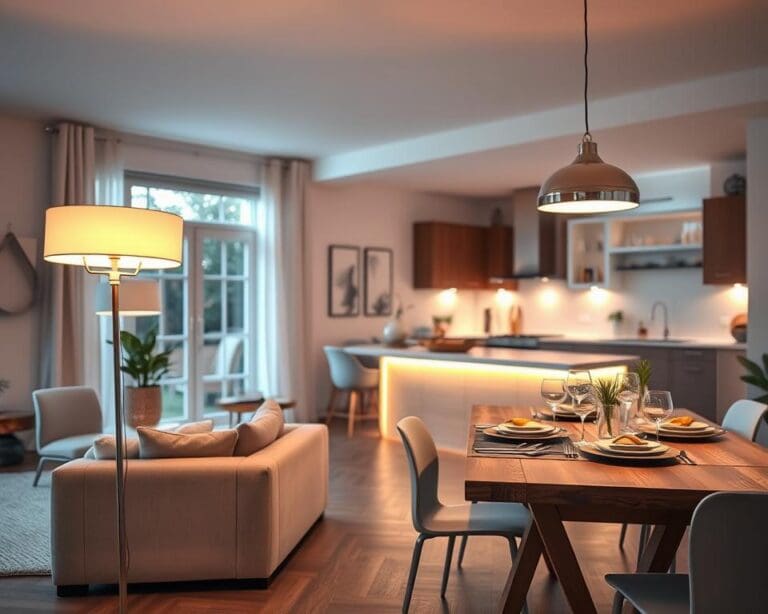
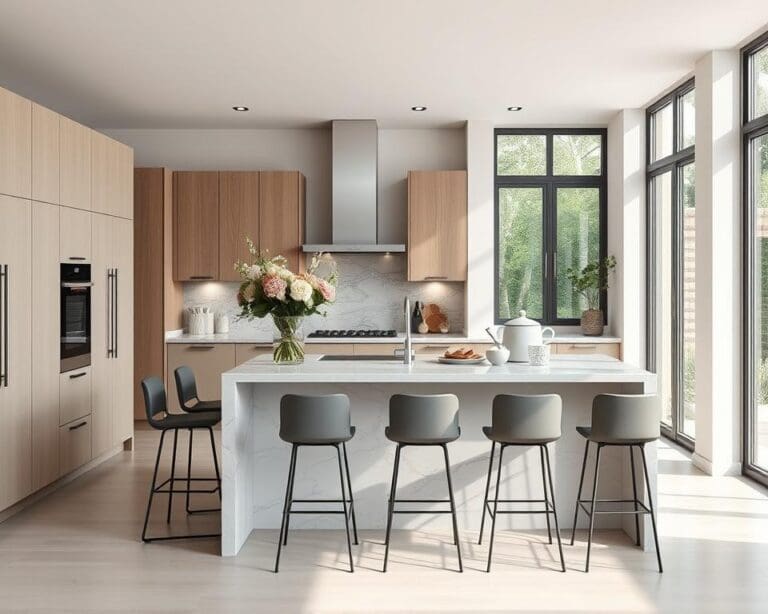
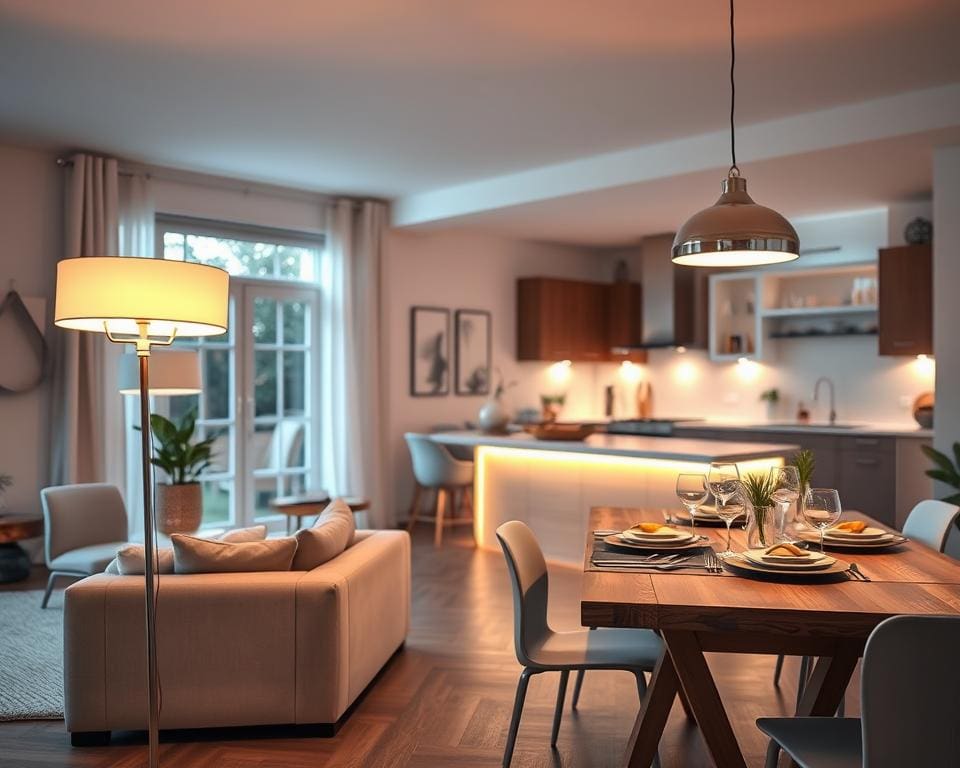
Where relevant, this guide links to practical examples to spark creativity, including a useful piece on open-plan kitchen solutions that shows how ambient and task lighting work together: open-plan kitchen lighting.
home lighting fundamentals for every space
Good lighting starts with simple principles you can apply room by room. Learn the lighting fundamentals so you can plan with purpose and create settings that suit daily life and special occasions.
Understanding layers of light: ambient, task and accent
Think in three layers of light to build depth and flexibility. Ambient lighting gives even illumination across a room. Task lighting brightens areas where you read, cook or work. Accent lighting draws attention to artwork, shelving or architectural details.
Combine ceiling fixtures for ambient lighting with under-cabinet strips or adjustable pendants for task lighting. Add directional spotlights, picture lights or wall washers for accent lighting so you can change focus without changing the whole room.
Typical lux targets help you plan: 100–300 lux for general living spaces, 300–500 lux for kitchen and bathroom tasks, and 150–300 lux for bedroom general light. Use these figures as a guide when positioning fixtures and choosing lamp output.
Choosing the right colour temperature for mood and function
Colour temperature affects how a space feels and how well you see. Warm tones (around 2700–3000K) suit relaxing living rooms and bedrooms. Neutral whites (3000–3500K) work well in dining areas. Cooler light (4000K+) improves clarity for kitchens and workspaces.
Match lamp colour temperature to the room’s purpose. Mixing temperatures can work if you separate layers by function so ambience does not clash with focused tasks.
How to use dimmers and smart controls to tailor ambience
Dimmers let you shift mood without swapping bulbs. Use them on circuits for living rooms and dining zones to move from bright task light to soft evening glow. Not all LEDs dim smoothly, so choose compatible fittings and dimmer modules.
Smart lighting gives you scene control from apps or voice assistants. Program presets for waking, cooking or hosting so your layers of light respond to routines. Combine dimmers and smart lighting for precise control over intensity and timing.
Energy efficiency: LED options and long-term savings
LEDs deliver strong lumen output with low consumption, which boosts LED savings over time. Replace halogen and incandescent lamps with modern LEDs to cut running costs and reduce heat output.
Choose energy-efficient lighting with appropriate CRI and lumen levels so you do not sacrifice colour quality for economy. Look for trusted brands like Philips and Osram when selecting bulbs and fixtures to ensure lifespan and warranty support.
- Fixtures to consider: recessed downlights, semi-flush ceiling lights, pendant lamps, floor lamps, track lighting and picture lights.
- Adjustable fittings such as gimbals and multi-head tracks help direct accent illumination precisely where you need it.
- Combine dimmers and smart lighting while choosing LEDs that support dimming for best results.
Living room lighting ideas to enhance style and comfort
Choose a clear plan before you buy fittings. Good living room lighting begins with a layered approach that blends ambient lighting living room fixtures with task sources and accent lighting. This gives you flexibility for TV nights, reading and social gatherings.
Combining overhead lighting with floor and table lamps
Start with a central ceiling fixture or recessed lights to provide overall illumination. Pair that with tall floor lamps for high ceilings and clusters of table lamps for wider rooms to add depth.
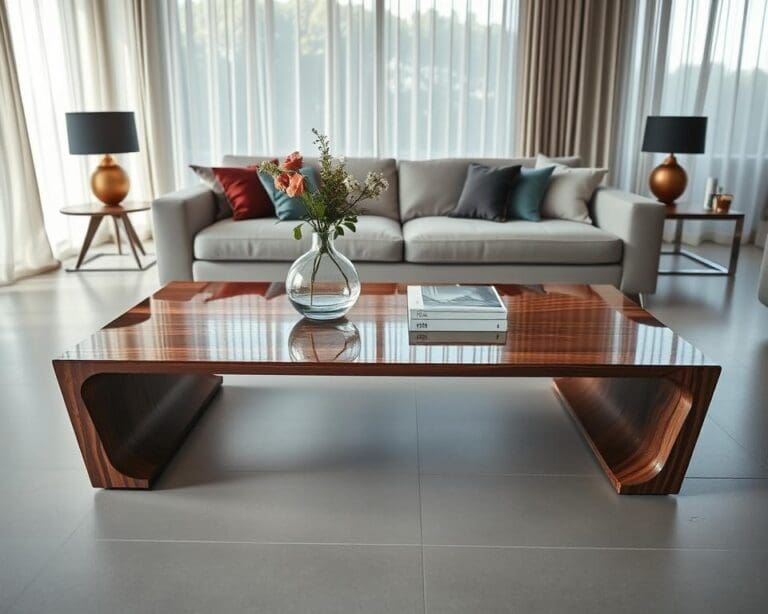
Place table lamps on side tables next to sofas for reading. Use an adjustable floor lamp beside an armchair for focused task light. Mix metal and timber finishes so your lamps complement existing decor.
Keep cables tidy with switched sockets or smart plugs. Fit dimmable bulbs so you can soften the brightness as daylight fades.
Accent lighting for artwork, bookshelves and architectural features
Use narrow-beam accent lighting to highlight paintings, ceramics and bookcases. Small LED spotlights or picture lights bring details to life without overpowering the room.
Position fixtures so light grazes textured walls and shelves. This creates visual contrast and draws attention to key features while preserving a relaxed mood.
Creating conversation zones with targeted task lighting
Group seating into distinct zones and add targeted task lighting to each area. A floor lamp with an adjustable arm works well for a reading corner, while a low table lamp suits an intimate chat spot.
Use differing lamp heights to define areas and encourage people to gather. This approach supports both functionality and sociable layouts.
Using warm light to create a cosy, welcoming atmosphere
Opt for warm-coloured bulbs rated 2700K–3000K to achieve cosy lighting that flatters skin tones and soft furnishings. Soft diffusion reduces glare and helps you relax.
Combine warm ambient lighting living room sources with accent lighting and table lamps to layer warmth across the space. These choices produce a welcoming lounge lighting idea that feels lived-in and stylish.
- Mix overhead and portable lamps for flexible control.
- Choose dimmers and smart plugs for easy scene setting.
- Position accent lighting to highlight value pieces and architecture.
Kitchen and dining lighting solutions for function and flair
Good kitchen lighting and dining room lighting start with a clear plan. You want areas that work hard for cooking and spaces that set a relaxed mood for eating. This section breaks down practical choices you can use right away.
Effective task lighting for worktops and islands
For safe food preparation you need bright, shadow-free illumination. Aim for 300–500 lux on work surfaces and place fixtures slightly forward of the working plane so your body does not cast shadows.
Use recessed downlights spaced evenly above worktops, linear pendant lighting over islands or adjustable track heads. High CRI (90+) LEDs help you judge colour and doneness accurately. In coastal or damp kitchens, pick IP-rated fittings to resist moisture.
Pendant lights and chandeliers for dining focal points
Pendant lights create a visual centre over a table or island. Select sizes and heights that suit your table and ceiling height so the piece frames the setting rather than blocks sightlines.
Consider a chandelier for formal dining areas or a cluster of pendant lights for casual bays. Choose dimmable fittings so the same pendant can supply bright task light or softer dining ambience as needed.
Under-cabinet lighting for safer food preparation
Under-cabinet lighting removes dark zones beneath wall cupboards. Linear LED strips or puck lights deliver direct, even light to worktops where you need it most.
Fit the strips close to the front edge of the cabinet base to reduce shadows. Match colour temperature to your main kitchen lighting for a cohesive look and use high CRI options for true colour rendering.
Balancing bright work light with softer dining ambience
Layering is key. Combine task lighting kitchen elements with warmer, lower-level fixtures for dining ambience. Use dimmers and separate circuits so you can switch between meal prep and relaxed dining without rewiring.
For example, keep recessed downlights at a higher level for cooking while pendant lights above the dining table run on a dimmer. This approach gives you strong kitchen island lighting when you need it and a welcoming dining room lighting scene when you sit down to eat.
Bedroom, bathroom and hallway lighting for comfort and safety
For bedroom lighting, aim for layered sources that support rest and reading. Use a soft ambient ceiling fitment at around 200–300 lux for general use, and fit bedside lighting that reaches 300–500 lux when you need to read. Adjustable bedside lamps or wall-mounted swing-arm lights save space and give precise task light, while recessed downlights with dimming and LED strip headboard lighting add subtle atmosphere.
When planning bathroom lighting, prioritise safe bathroom lighting and IP rated bathroom lights in wet zones. Place even ambient light above the mirror and add focused task light where you groom. Use diffused fittings to reduce glare and choose IP44 or higher for shower and bath areas. This approach keeps the space functional and reduces shadows for safer use.
Hallway lighting or corridor lighting should guide movement without overwhelming. Low-level uplighters, wall sconces and low-lumen path lights create a clear route at night while preserving sleep cycles. For night-time trips between rooms, choose red-shifted or very warm low-lumen fixtures so you maintain melatonin production and avoid disrupting sleep.
Keep colour temperature warm—around 2700K—in bedrooms and for night-time hallway light to support sleep hygiene. Reserve cooler, brighter light for daytime tasks in the bathroom. Smart bulbs and dimmers let you set wake and sleep scenes across bedroom lighting, bathroom lighting and hallway lighting, giving comfort, safety and control throughout your home.