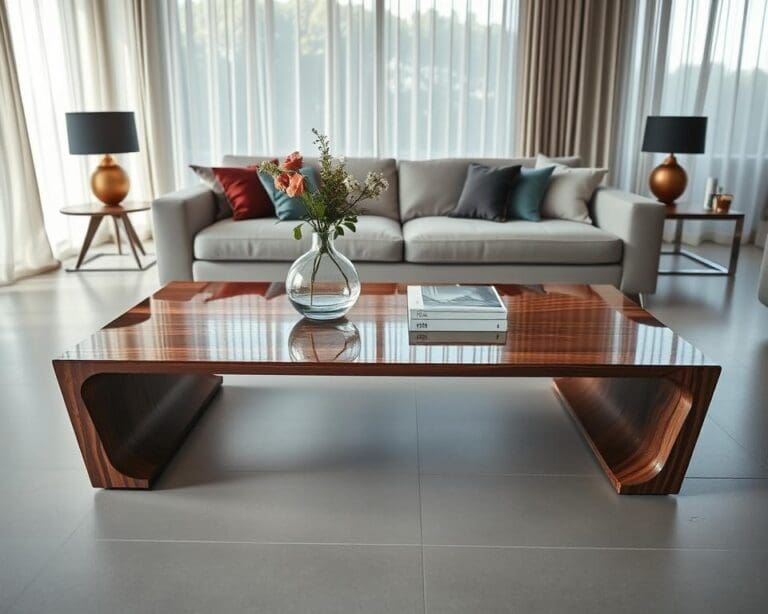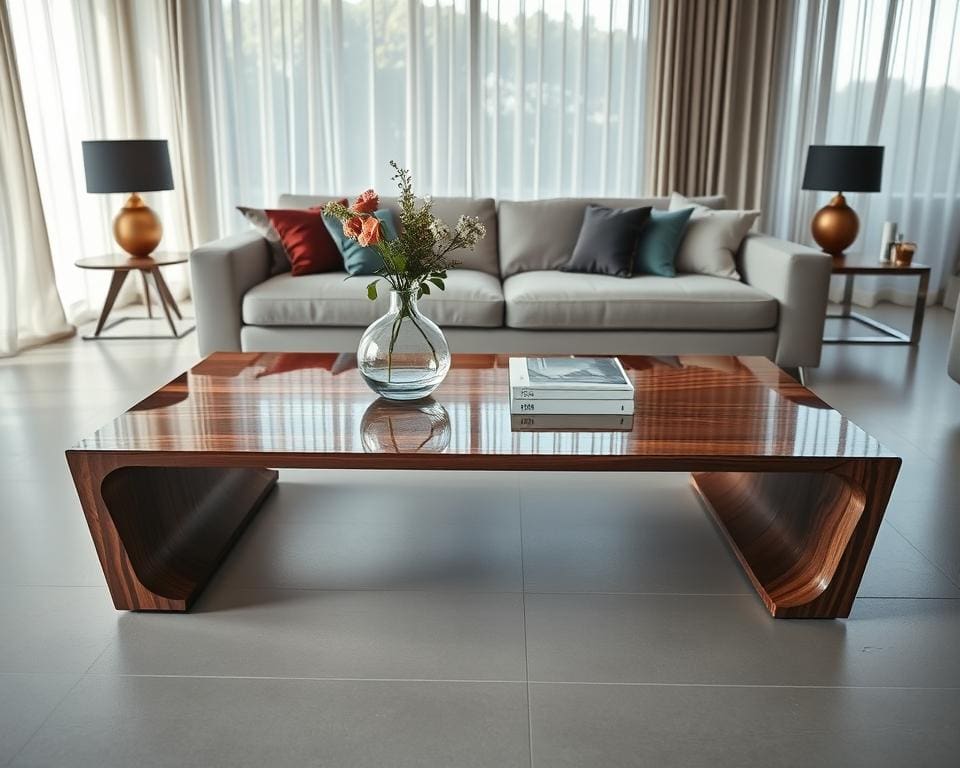
Choosing the right coffee table for a modern interior asks you to balance style with everyday use. In a UK living room, this piece anchors seating, gives you space for drinks and books, and sets the tone for your living room furniture.
Start by thinking about scale and circulation. A modern coffee table should sit comfortably with your sofa and armchairs, leaving clear paths for movement. Round tables foster conversation in compact flats, while rectangular tops work well in wider suburban lounges.
Material and finish matter as much as shape. Timber brings warmth and durability; glass or acrylic keeps a space airy; metal and stone lend an industrial or sculptural edge. Each choice affects upkeep and longevity, so weigh your lifestyle alongside looks.
For examples and buying ideas from UK retailers and designers, see curated round‑ups and guides such as this selection of elegant tables at TopVivo. By the end of this guide you’ll know which coffee table styles, sizes and materials suit your modern interior and can make a confident purchase or commission.
Choosing a coffee table for a modern living room
Picking the right piece starts with a clear look at your room. Think about how you use the space and what a functional coffee table must do for you. Measure key distances and note features such as bay windows, radiators and fireplaces so the table sits naturally within your living room layout.
Assessing your space and layout
First, measure the seating group and the room. Record the distance between the sofa and other chairs, plus the overall length and width. Small city flats benefit from low-profile or transparent tops that keep sightlines open. Long, narrow rooms suit elongated tables; square rooms often work best with round or square shapes for balance.
Proportion and scale: matching sofa height and room dimensions
Match coffee table height closely to your sofa seat. Aim for a height within 2–4 cm of sofa height to make reaching drinks comfortable. For length, a good rule is about two-thirds of the sofa length. Keep at least 30–45 cm of clearance between sofa and table for legroom and ease of movement.
Traffic flow and practical placement
Plan clear pathways so movement feels natural. Leave 45–60 cm for main routes and avoid placing the table where it blocks entrances. In rooms with several access points consider two smaller tables or nesting options to adapt to different traffic patterns. For homes with children or pets pick rounded edges and sturdy bases to reduce tip risks.
Balancing aesthetics with functionality
Decide your priorities: serving drinks, working on a laptop, showing books or adding storage. Choose a style that supports those uses. Pair a warm oak table with neutral Scandinavian seating for cohesion, or contrast a metal-framed table with leather sofas for a bolder look. Brands such as Made.com, Habitat and John Lewis & Partners offer modular choices that help you fine-tune coffee table size and function to your room.
Modern coffee table styles and how they influence your interior
A coffee table sets the mood of a living room and shapes how you perceive the space. Your choice will steer the room towards calm restraint, urban edge, warm nostalgia or airy lightness. Styles should complement sofas, rugs and media units to create a coherent modern interior.
Minimalist and Scandinavian designs
A minimalist coffee table or Scandinavian coffee table favours clean lines, simple silhouettes and light woods such as ash, beech and oak. Slender legs and muted finishes keep the look restrained and bright. These tables work well with neutral colour schemes, textured throws and houseplants to convey order and calm.
Choose easy-to-clean surfaces and pared-back storage like a single lower shelf for function without clutter. Look to MUUTO, HAY, Habitat and Made.com for examples that translate Nordic principles into practical pieces.
Industrial and metal-framed tables
An industrial coffee table brings exposed metal frames, reclaimed wood tops and black steel into a room. The tactile contrast with soft furnishings creates an urban, loft-like character. These pieces suit open-plan city flats or rooms with raw finishes such as brickwork and concrete.
John Lewis & Partners and independent workshops offer robust options, and bespoke metalwork can deliver a tailored look. Pair an industrial table with warm textiles to soften the edge.
Mid-century modern silhouettes
A mid-century coffee table features tapered legs, organic forms and walnut or teak veneers. Rounded edges and low profiles add sculptural interest while keeping the space modern. The result is warmth and timeless appeal that complements muted palettes and geometric rugs.
Consider restored vintage finds or reproductions from Heal’s and Made.com. Take care with veneered tops; gentle cleaning prevents water damage and preserves the finish.
Contemporary glass and acrylic options for visual lightness
A glass coffee table or acrylic design lets sightlines pass through and makes a room feel larger. Clear or tinted tops, minimalist metal frames and floating forms reduce visual clutter and enhance openness in compact spaces.
Tempered glass gives better safety and acrylic offers lightness, though it can scratch more easily. Mainstream UK retailers such as Argos, John Lewis & Partners and Habitat carry glass and acrylic modern ranges for varied budgets.
For further guidance on creating a modern look and choosing pieces that work together, consult practical styling tips and examples at modern home décor advice.
Materials and finishes that suit a modern interior
Choosing coffee table materials shapes how a piece looks, feels and performs in daily life. Think about your household: pets, children and how often you entertain will steer you toward more durable or more elegant surfaces. The right choice makes maintenance easy and keeps the scheme cohesive.
Wood varieties and modern finishes
A wood coffee table brings warmth and texture. Oak and walnut offer long-term durability and can be sanded back if marked. Ash and beech are lighter in tone and suit Scandinavian palettes. Engineered options such as plywood or MDF with a veneer cut cost while keeping grain visual interest.
Finish matters as much as species. Modern interiors favour matte or satin lacquers and natural oils that reveal the grain without glossy reflection. Whitewash and subtle stains brighten a room, while darker stains anchor a seating area. Check product specs from retailers such as John Lewis & Partners, Heal’s and MADE to confirm solid versus veneered construction.
Marble and stone tops: elegance versus maintenance
A marble coffee table signals luxury and creates a strong focal point. Carrara and Calacatta bring elegant veining and visual weight. Honed finishes mask scratches better than polished tops and often sit naturally within modern schemes.
Porous stones stain if not sealed and demand careful cleaning with pH-neutral products. Engineered stone or large-format ceramic slabs mimic marble aesthetics and resist staining, offering a practical alternative for busy households. Specialist stone suppliers and major retailers stock a range of options to suit different budgets and upkeep needs.
Glass, acrylic and transparent materials for an airy feel
A glass coffee table reduces visual clutter and lets light flow through a room, ideal for compact spaces. Choose toughened or tempered glass for strength and safety. For larger tops, thicker glass—around 8–12 mm—prevents flexing.
Acrylic offers a lighter, less brittle option but can scratch or yellow over time if the grade is low. Cleaning is simple with a microfibre cloth and suitable cleaners. A clear top paired with solid legs helps maintain the modern balance between openness and function.
Metal, powder-coated frames and mixed-material combinations
Metal coffee table frames provide slim profiles and structural strength. Steel and stainless steel are robust for everyday use. Brass brings warmth when paired with walnut, while aluminium keeps weight down for easy rearrangement.
Powder-coating gives a durable coloured finish that resists chipping and suits bold contemporary palettes. Mixed-material furniture combines the best of several worlds: a stone or wood top on a metal frame offers contrast and visual lift. Choose pairings that match your lifestyle and desired maintenance level.
When you assess finishes, balance aesthetics with practicality. The best material choice supports the look you want and fits how you live with the piece day to day.
Practical considerations: storage, durability and styling tips
When choosing coffee table storage, think about how you live. An open shelf gives quick access to books and remotes but will show dust and clutter. Drawers and concealed compartments keep things tidy and ideal for chargers and coasters, though they add visual weight. Lift-top and multifunctional tables double as a work surface if you use the living room for remote working, while nesting tables and side tables offer flexible surfaces you can rearrange for guests.
Seek a durable coffee table by checking construction details. Solid timber and well-finished joinery outlast veneered MDF, and thicker tops and stable legs reduce wobble. Look for UK guarantees—many retailers such as John Lewis & Partners and Heal’s offer one-to-five year warranties; always read the terms for wear and accidental damage. In homes with children or pets, prefer rounded edges and stain-resistant finishes.
Styling coffee table surfaces makes a modern room feel curated. Mix textures—glass or lacquer with wool throws and ceramics—and use a tray to group items and protect the top. Keep centrepieces low to preserve sightlines: a stack of books, a single architectural vase and a small candle cluster work well. Anchor the area with a rug that reaches at least the front legs of sofas.
Follow simple coffee table care to prolong life. For wood, use coasters, wipe spills quickly and re-oil as the manufacturer advises. Seal marble and stone and avoid acidic cleaners; blot rather than rub spills. Clean glass and acrylic with non-abrasive cloths and avoid harsh chemicals, and wipe powder-coated metal with a damp cloth. Before you buy, measure your space and sofa height, inspect the build, compare warranties and, where possible, try proportions in store or use paper templates at home. Consider sustainability by choosing FSC-certified timber, reclaimed wood or makers who offer repair parts.