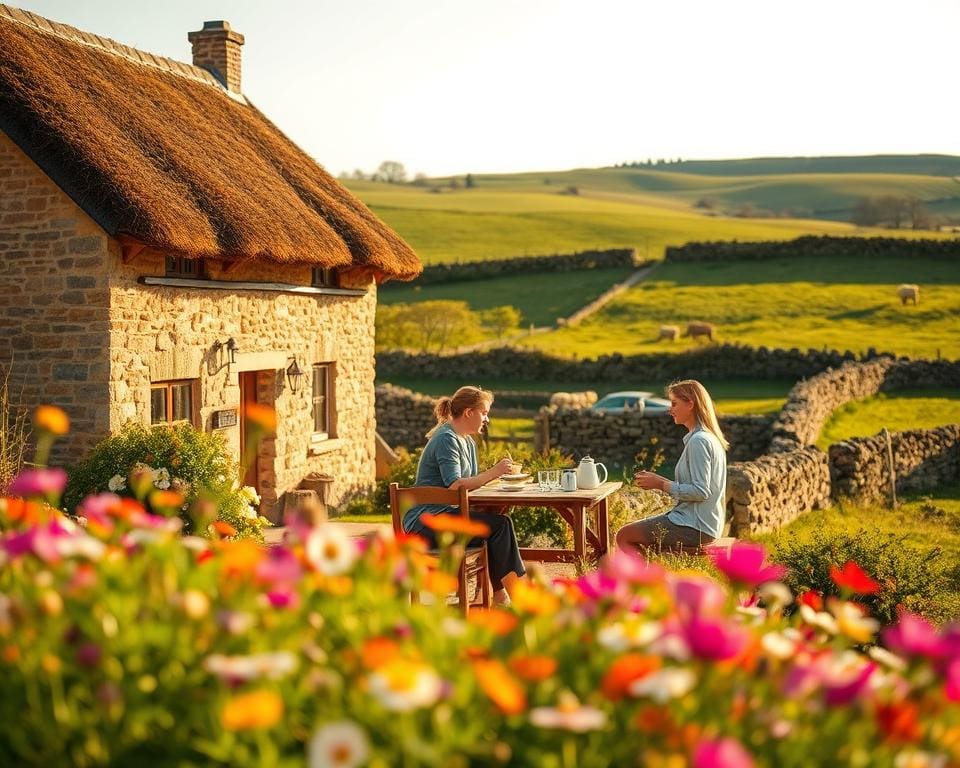
The Cotswolds is often held up as a model of calm living. Its Area of Outstanding Natural Beauty status protects rolling hills and honey‑coloured stone, so the landscape and many Cotswold villages remain largely unchanged. That mix of scenic conservation and historic charm is central to the relaxed lifestyle Cotswolds offers.
Your quality of life here is supported by clear measures: low crime in rural parishes, plentiful green space, and air that is cleaner than in nearby urban centres. At the same time, towns such as Cheltenham, Cirencester and Stroud—and cities like Bath, Bristol and Oxford—are within reach, giving you amenities without sacrificing tranquillity.
Economically, the area leans on agriculture, artisan food, tourism and small enterprises. The heritage housing market—Cotswold stone cottages among them—adds appeal but can make living in the Cotswolds costly, with seasonal hospitality jobs and second‑home ownership affecting supply.
The region suits many life stages. Families find community and safety; retirees value peace and local healthcare; remote workers and creatives are drawn to the scenery and slower rhythms. Rising remote working trends mean moving to the Cotswolds is more viable than before.
Local stewardship reinforces the peaceful Cotswolds lifestyle. National Trust sites such as Snowshill Manor and Hidcote, alongside community conservation projects, support biodiversity, hedgerow management and sustainable farming. These efforts help ensure that living in the Cotswolds remains connected to nature and conducive to a relaxed life.
Why the Cotswolds lifestyle appeals to you
The Cotswolds lifestyle appeal rests on a simple rhythm of days tied to nature, craft and community. You will find mornings spent on bridleways, shopping at village stores and afternoons in village pubs or at farmers’ markets. Typical settlements are small clustered villages, hamlets and market towns ringed by farmland and commons.
Defining the Cotswolds way of life
Think of a life paced more gently, where seasonal change shapes what you eat and how you spend your time. Houses range from stone cottages to Georgian townhouses, often close to a church, village hall or green. Local craft and preservation of historic character matter, as do parish councils and village trusts that keep traditions alive.
How slow-paced living benefits your wellbeing
Slow living Cotswolds brings clear practical benefits. Regular access to green space lowers stress and improves sleep. Time outdoors raises levels of activity through everyday tasks like gardening, walking and cycling.
You may pick up hobbies, join allotments or take part in craft groups. Night skies are darker and quieter, which helps your circadian rhythm and mental calm. Trade-offs include slower access to some services, yet many residents report higher life satisfaction from these changes.
Community values and neighbourliness in rural settings
Rural community values show up in volunteer groups such as parish councils, local history societies and village trusts. These bodies organise fêtes, markets and practical help like car‑shares and informal childcare.
Village pubs, churches, primary schools and halls act as community hubs. They host WI groups, amateur dramatics and clubs that link children, working adults and retirees. This intergenerational contact builds mutual support and a strong sense of belonging.
Natural landscape and outdoor pursuits that promote relaxation
The Cotswolds offer a calm escape where the land itself guides your pace. Gentle limestone escarpments, undulating pastures and dry stone walls shape the classic Cotswold hills. You will find long ridges, sheltered valleys and commons that invite slow exploration and quiet reflection.
Rolling hills, nature reserves and scenic walks
Follow well‑marked routes such as the Cotswold Way National Trail for panoramic views and steady walking. Trails through the Windrush Valley near Bourton‑on‑the‑Water lead you beside rivers and meadows. Commons like Cleeve Hill and Minchinhampton Common offer wide skies and easy terrain for regular strolls.
Visit reserves managed by Wildlife Trusts to spot butterflies, roe deer and skylarks. River habitats on the Avon and Windrush support rich wildlife and calm waterside walks. These Cotswolds nature reserves create restorative settings for short daily outings or longer rambles.
Gardens, orchards and seasonal rhythms
Historic landscapes and intimate plantings shape the region. Hidcote Manor Garden and Kiftsgate Court Gardens showcase crafted views, while walled private gardens often open under the National Garden Scheme. You can plan visits to match blossom, peak colour or winter structure.
Seasonal cycles give structure to life here. Spring brings blossom and lambing, summer fills meadows with wildflowers and haymaking, autumn showcases orchards and harvest festivals, winter offers crisp skies for brisk walks. Local cider and perry come from those orchards, while farm shops sell vegetables at their freshest.
Outdoor activities that support a calm routine — from gentle cycling to birdwatching
Low‑impact pursuits suit the landscape and your wellbeing. Choose gentle cycling on quiet lanes, rambling on footpaths, horse riding along bridleways, or fishing in peaceful tributaries. organised birdwatching at reserves helps you tune into seasonal migrations.
Practical tips make participation easier. Join local walking groups, hire a bike in Cheltenham or Bourton, check public footpath maps and bridleway access, and follow the Countryside Code during sensitive seasons. A steady routine of outdoor activities Cotswolds residents enjoy will lift mood, build social contact and create space for photography, painting or journalling.
Practicalities that make daily life easier and more enjoyable
Living in the Cotswolds brings a blend of rural charm and useful amenities that ease everyday life. You will find regular market days, local services and transport links that keep you connected without losing the calm of village life.
Access to local markets, artisanal shops and farm-to-table produce
Weekly farmers’ markets in Cirencester and Stow-on-the-Wold showcase seasonal fruit, vegetables and meats straight from local fields. Independent butchers, bakeries and cheesemakers supply fresh goods you can trust.
Gastropubs and farm shops champion provenance, so farm to table Cotswolds is more than a phrase; it is a common dining practice. Food festivals and producers such as local cheddar makers and microbreweries let you meet the people behind the food.
You gain practical benefits from buying locally. Ingredients are fresher, prices can be fairer and community loyalty helps small businesses thrive.
Transport links, commuting options and connectivity for remote working
Rail stations at Moreton-in-Marsh, Kingham and Charlbury give regular services to London Paddington and Oxford. A-roads connect you to the M4 and M5 for car journeys and Gloucestershire Airport lies within easy reach.
Commuting from Cotswolds towns to Oxford, Cheltenham or London is feasible for many. Some residents commute daily by train; others prefer hybrid patterns that reduce time on the road.
Rural broadband Cotswolds coverage has improved with community projects and gigabit rollouts. Mobile signal can still vary in tiny hamlets, so check speeds before you move if remote working is key to your lifestyle.
Healthcare, schools and services that suit family and retirement life
Local GP surgeries and community hospitals such as Cirencester Community Hospital provide routine care. For specialist treatment you can access larger NHS trusts in Cheltenham and Gloucester or private clinics in nearby towns.
Cotswolds schools include village primaries with strong ties to their communities. Families choose grammar and comprehensive options in Cheltenham, or independent schools like Cheltenham College for some pupils.
Older residents benefit from community transport schemes, Age UK branches and local home care agencies. Market towns host post offices, banks and waste services, so day-to-day tasks remain straightforward.
Cultural heritage, amenities and places to unwind
The Cotswolds culture is visible in honey‑coloured stone cottages, market squares and medieval churches in towns such as Stow‑on‑the‑Wold, Bourton‑on‑the‑Water and Broadway. You can follow heritage trails that link preserved manor houses and village greens, or visit National Trust Cotswolds sites like Broadway Tower and Snowshill Manor to enjoy gardens and period interiors at a gentle pace.
There are plenty of things to do in the Cotswolds for calm days and lively weekends alike. Explore the Corinium Museum in Cirencester, attend a local arts exhibition, or book a pottery or weaving workshop. Evenings often centre on Cotswold pubs and independent cafés where seasonal, farm‑to‑table menus make dining a relaxed ritual.
Events such as the Gloucestershire County Show, food festivals and village fêtes showcase local produce and community spirit. To avoid crowds at popular Cotswolds attractions, plan weekday visits or seek quieter villages. Joining a local society or watching parish noticeboards will reveal low‑key concerts, quiz nights and foraging classes that deepen your connection to the place.
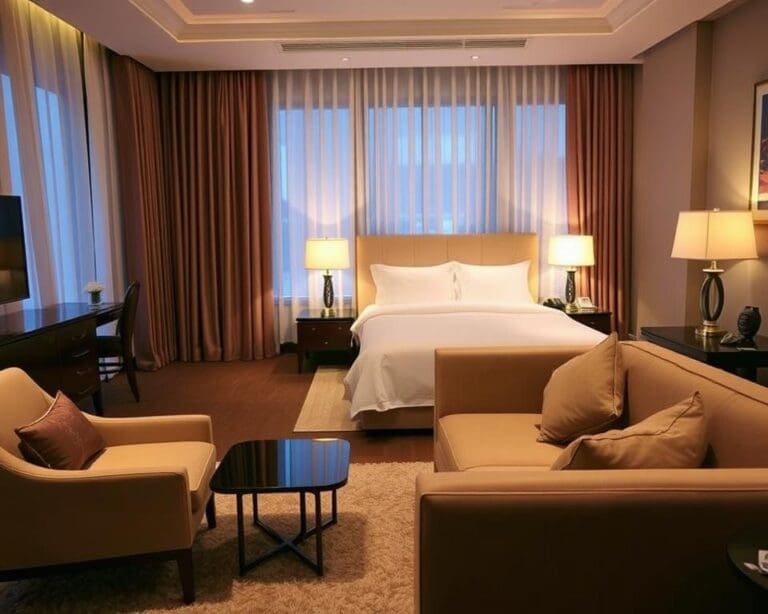
For short breaks, boutique hotels and spas provide restorative stays, while scenic drives along the Fosse Way and visits to stately homes offer simple ways to unwind. Keep in mind that tourism sustains cafés, galleries and theatres you will use, but can peak in summer; balance popular visits with off‑peak exploration to preserve the relaxed lifestyle you came for.